Does Singapore offer a viable model to crypto regulation?

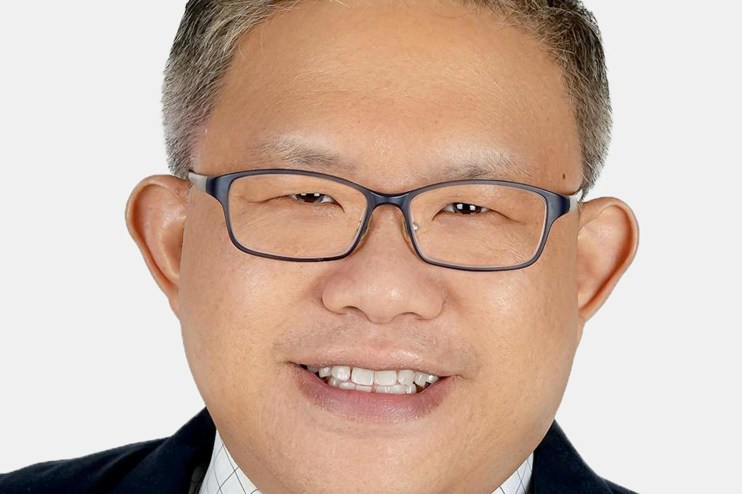
by Bryan Tan, Partner, Reed Smith
The regulation of crypto has countries and governing bodies around the world pulling their hair out. A $3 trillion-dollar market (equalling the size of the gold market) appearing from nowhere, funding millions of new well-paying jobs that are growing at triple digit annualised rates, and functioning on a fully digital agenda with low barriers to entry, which is constantly birthing new business models – this is the stuff of an economist’s dream.
Throw in a few newly-minted billionaires with luxury jets and high-performance cars willing to be the poster children of this new economy speaking out for inclusion and empowerment, and the drool factor only increases.
Yet, massive volatility (recently highlighted by the ironically named ‘stablecoin’), scams, shoddy practices and standards, and the obvious dangers of investing blindly into one of the 19,000 coins out there, has resulted in calls for the Government and industry to work together to protect consumers. The question that regulators are now grappling with is how much and what regulation is really needed and who needs protection? It was in this vein that regulators in UK, Spain and Singapore issued advertising restrictions on crypto.
To others, the primary concern is that cryptos are being used to fuel illegal and illicit transactions, an unwelcome innovation of its decentralised and apparently anonymous nature. Some of these choices dominated a recent discussion in the EU Parliament over the imposition of anti-money-laundering (AML) legislation on crypto transfers between wallets. The final decision was to impose AML checks on all transfers between wallets hosted in regulated exchanges and for transfers exceeding EUR1,000 on wallets not hosted in regulated exchanges.
To say that the regulators are struggling with regulating crypto is an understatement. No regulator has cracked the code and found the perfect balance between sufficient regulation and not dousing the innovation flame of the crypto industry.
Where is Singapore on crypto-regulation?
On the face of it, Singapore offers a crypto-friendly regulatory environment – over 400 entities have applied for crypto-related licenses when these were first offered in 2020. The Singapore Fintech Association and the Blockchain Association of Singapore have between them over 1,000 corporate members and over 50 MOUs signed with their counterparts. At the inaugural Point Zero Forum organised by Singapore and Switzerland last month, Deputy Prime Minister Heng opened the forum by announcing three new licensees in the digital payment token, bringing the total number to 14 to date. The Monetary Authority of Singapore has also signed 36 MOUs with its counterparts around the world.
However, 14 successful applicants out of 170 is not a promising statistic and crypto companies have called January’s crypto advertising ban a sudden sledgehammer blow to the industry. One day after the Point Zero Forum where the government touted the benefits of cryptocurrency, the MAS chief fintech officer Sopnendu Mohanty warned that it would be “brutal and unrelentingly hard” on bad actors. Given that some of the key players in the Luna stablecoin debacle had their base in Singapore, it is not hard to imagine the concern for such an unfriendly position.
It is clear that protection of the ordinary consumer, bad actors and AML occupy the regulators minds. But what about the other areas such as the limits that regular funds can invest and manage crypto digital assets, the use of crypto in play to earn games and the NFT market for collectibles? While the industry would clearly prefer waiting for regulatory certainty, that could be a long wait – especially given that it might not be a regulatory priority. This is where the Singapore associations believe in taking an active step by developing industry self-regulated standards and guidelines. These guidelines help provide some meat to the areas which lack certainty and allow the development of industry best practices.
The industry is taking ownership of the development of their own sector – encouraging capacity building and self-development instead of merely waiting to be told what to do. The self-regulation model is not new – the advertising industry has been doing so for many years. The parties that contribute towards self-regulation and participate in it are those who want to comply as much as possible, not the bad actors already targeted by the regulators.
Has Singapore found the holy grail for crypto regulation? Or is there another side to the coin?