Domestic oil and gas are Britain’s best defence in the global energy crisis

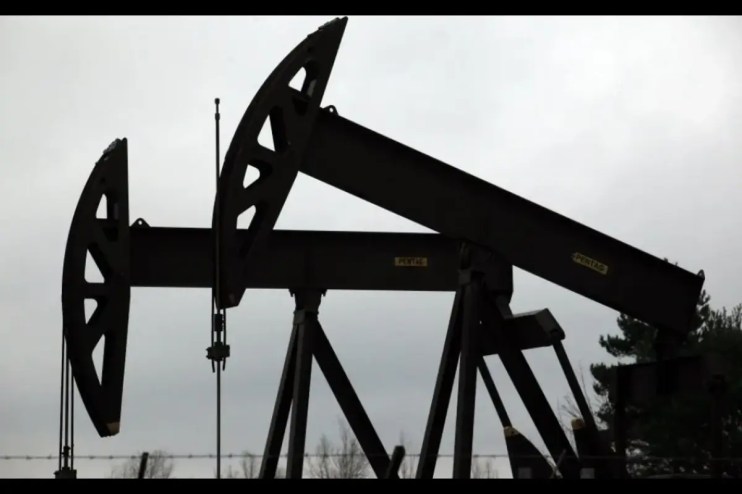
The conflict in Iran has highlighted the fragility of global supply chains and the necessity of energy self sufficiency, says Martin Copeland
It has been just over two weeks since the US and Israel commenced military action in Iran, with acute consequences for energy, international trade and potentially the global economy.
Normally, about 20 per cent of global oil demand and 20 per cent of the global LNG trade pass through the Straits of Hormuz daily. Today, these volumes have been slashed by more than half, with LNG flows stopping completely as Qatar has called force majeure at their massive Ras Laffan liquefaction plant.
In response, the IEA has authorised the release of 400m barrels from strategic reserves to stabilise markets. While this may soften some of the immediate shock, it is only about 3 weeks of foregone supply and global energy markets remain fragile. This crisis is the latest reminder that energy security matters and is a physical thing that depends on complex, integrated logistics chains.
More than 70 per cent of the UK’s primary energy demand today is met by oil and gas, and around 45 per cent of that is imported. These molecules heat homes and industrial processes, power businesses, provide feedstock for all manner of chemicals and products of modern life, and keep critical transportation and infrastructure running.
Offshoring mindset
The government’s narrative is that the Middle East conflict reinforces the importance of doubling down on ending our reliance on oil and gas. Whether or not this is the message that the public takes from these events, it is dangerously simplistic. Reducing the contribution of oil and gas from our energy mix is a decadal challenge. The government’s own gas security strategy calls for increased volumes of LNG to support demand over the remainder of the decade. The consequences of this ‘offshoring’ mindset are reflected in a punitive tax regime on UK production that disincentivises investment, a de facto freeze on approving new field developments, and stopping exploration licensing. As a result, no new North Sea field has been approved since Serica’s small Belinda field was sanctioned in May 2024 and, for the first year since the 1970s, not a single exploration well was drilled in 2025. These policies actively discourage the investment needed to deliver more homegrown gas and oil in favour of increasing dependence on imports.
The Secretary of State is sitting on approvals for new UK fields which, had they been actioned promptly, could by now have reduced the UK’s requirement for LNG imports by over one third.
The Secretary of State argues that new oil and gas fields will not help the UK in the current energy crisis. It is true that approving new projects today won’t deliver barrels tomorrow. However, he is sitting on approvals for new UK fields which, had they been actioned promptly, could by now have reduced the UK’s requirement for LNG imports by over one third. In contrast, Norway has approved 26 projects in the last four years, many of which are for new gas production destined for export to the UK.
The UK Continental Shelf is indeed mature, but it is still the second-largest oil and gas resource base in Western Europe, with the potential to meet around half of domestic demand over the next 25 years. Every additional UK-produced molecule is one fewer imported, contributing more tax and supporting the economy and UK jobs. Moreover, oil and gas imports come with far higher carbon emissions than domestically produced oil and gas, with LNG three to four times more emissions intensive than the average of homegrown production.
Developing our own oil and gas resources is not in conflict with the energy transition; it is entirely compatible.
The government has policy choices. For as long as the UK needs oil and gas, we should seek to maximise domestic production alongside the expansion of renewables. Pivoting their approach to new oil and gas activities in the UK North Sea will stimulate investment that would help protect this country at times of extreme energy crisis and reduce our exposure to riskier and more carbon intensive imports.
Industry stands ready to play its part. Companies like Serica – one of the six largest UK oil and gas producers – have the capacity and desire, with the appropriate fiscal and licensing regimes, to invest in projects that will help support the country’s essential energy needs. Many of these projects could be adding production, supporting jobs and generating growth in the very near-term.
As the Chancellor said to the Labour Conference last year, where things are made matters. The ongoing joint US and Israeli military operations, and their impact on a key artery of global trade, show us this is as true for energy as anything else.
Martin Copeland is CFO of Serica