Don’t let Brexit or political differences create a hostile office environment

Facebook is “a political monoculture that’s intolerant of different views”, according to a post from Brian Amerige on an internal online group at the social media company called “FBers for Political Diversity”.
Amerige claims that although the US company presents itself as welcoming all political perspectives, in reality anyone with a view that opposed left-leaning ideology was attacked. The creation of the group has in turn upset other Facebook employees who have said that its online posts are offensive to minorities.
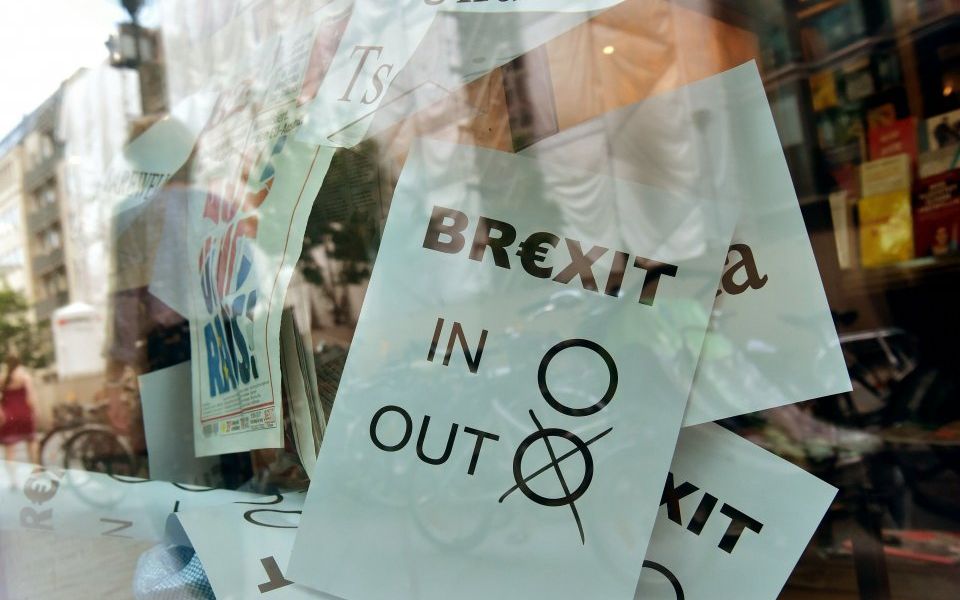
Here in the UK, Brexit has caused similar divisions.
Read more: David Davis: Theresa May's Chequers plan is undemocratic
It is still a hot topic, and after the main political parties displayed so much instability during the summer, political discussions among colleagues are inevitable. But how far can these discussions go in the workplace?
Employees have the right not to be discriminated against, or subjected to harassment, because of their philosophical beliefs – but does Brexit count as one? What amounts to a philosophical belief has typically been considered quite flexibly, and it’s likely that supporting either side of the Brexit debate, or traditional party political views, would qualify.
And while business leaders within companies often have well-publicised political beliefs – never more so than in the run-up to the Brexit referendum – it’s particularly important that employees whose beliefs are at the other end of the political spectrum are not disadvantaged.
Therefore, accusing an employee of being racist because they voted to leave the EU, or calling an individual unpatriotic because they were a remain supporter, could create the type of intimidating and hostile environment that constitutes unlawful harassment.
Even when comments are not directed at a particular individual, they could still amount to harassment if it is felt that the comments expressed and heard were offensive or hostile. Employers have an obligation to ensure that their employees are not subjected to harassment because of their philosophical beliefs, and they can be held responsible for other employees’ actions in this regard.
However, if employers can demonstrate that they have taken all reasonable steps to prevent the harassment taking place, then employers will not be responsible for harassment carried out by their employees. Facebook, for example, provides all new employees with training on how to have respectful conversations about politics and diversity.
Asking employees not to discuss political views at all in the office is likely to be difficult to police, and encouraging an interest in current affairs among staff can be positive. Instead, employers may be better placed reminding staff of their equality policy, and emphasising that differing political views are to be respected.
Employees should also be reminded that discrimination and harassment because of these views, or attempting to coerce others into holding any particular political opinion, will not be tolerated and could result in disciplinary action being taken.
In addition, there is a duty on employers to maintain mutual trust and confidence in their relationship with their employees.
Protecting staff from discrimination and harassment is an important part of this duty. If an employee is subjected to unlawful harassment, such treatment is likely to justify the employee’s resignation, and an employer could face a claim of constructive dismissal as well.
Along with last night’s TV, politics is always going to be a popular topic of discussion at work, especially given current events. For employers, it’s important to ensure that these discussions do not cross the line into behaviour that could be seen to be victimising staff for their views.
Read more: Donald Tusk seeks to finalise Brexit deal in November