ECB easing must damage growth eventually: Let’s hope we’re not there yet

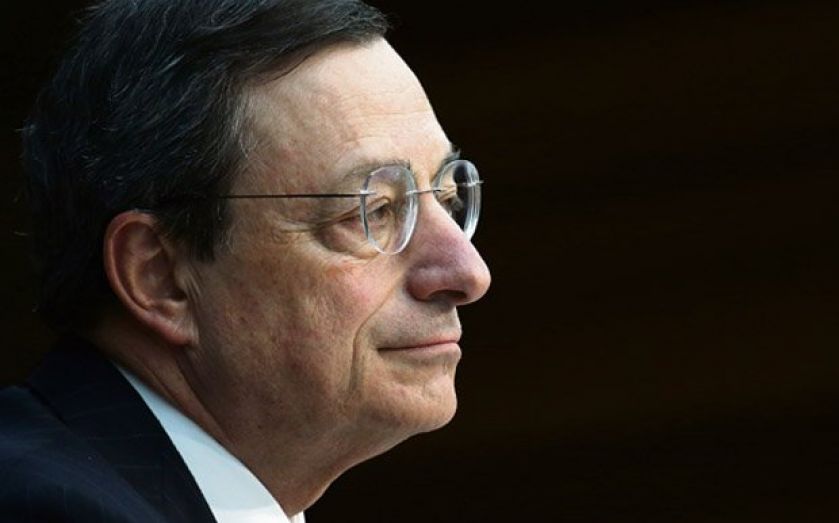
THE EUROPEAN Central Bank (ECB) has cut its main interest rate to 0.15 per cent, and imposed an interest rate charge of 0.1 per cent upon banks leaving money in the ECB (as opposed to the traditional practice whereby central banks pay interest on such reserves). ECB governor Mario Draghi has also indicated a willingness to engage in “asset purchases” (quantitative easing) if the ECB deems fit. Why?
It isn’t that the ECB sees any immediate new crisis – either with Eurozone sovereigns or with banks. The acute financial market crisis element of the Eurozone crisis has almost completely vanished since the Draghi Plan of September 2012 (though the underlying economic problems have not gone away at all).
Neither does the ECB appear, yet, to believe falling prices (deflation) in a few Eurozone member states is especially damaging. Its actions are more motivated by the sense that the Eurozone’s growth recovery continues to be very slow and unemployment very high, when the performance of international peers like the UK shows that faster growth and lower unemployment should be possible, without too severe a risk (at least in the short term) of inflation rising sharply.
It’s doubtful whether these ECB measures will actually make much difference to Eurozone growth or unemployment. In the most depressed parts of the Eurozone, there can only be growth and lower unemployment once regulatory reforms, government spending cuts, household debt repayment, wage falls and more flexible working practices restore fundamental competitiveness. Monetary policy cannot solve these problems – though perhaps the point of yesterday’s decisions is less to pretend that the ECB can improve these things, and more to reinforce confidence that they are not under additional threat from a falling money supply or falling prices.
In fact, in many parts of the Eurozone – perhaps most notably Ireland and Greece, but also elsewhere – there has already been considerable progress in structural reform, and the medium-term outlook is improving (although a further Greek default is apparently inevitable). One concern, therefore, is whether ECB action at this point might make matters worse just as they are beginning to improve.
Take, for example, the suggestion that the ECB might engage in its own form of QE. That may encourage investors to either hold government bonds or liquid assets that could quickly be converted into government bonds, speculating upon how much government bond prices will rise when the ECB buys them. That diverts investment away from more growth-promoting finance (e.g. investing in machines to build things, or training staff to provide smart new services).
Another concern is savings. With negative deposit rates for banks themselves, savers may find their returns fall even further. But some savers need to build a particular size of investment pot – e.g. as a deposit for a house, or as a pension. Reducing savings returns may drive such savers to save more, not less (this happened in Japan), reducing consumption.
Monetary policy has been very loose for many years. Being too loose must damage growth, eventually. The ECB will hope it has not reached that point yet.
Andrew Lilico is chairman of Europe Economics.