EU referendum: Why protecting the pound is the jewel in the crown of Cameron’s deal

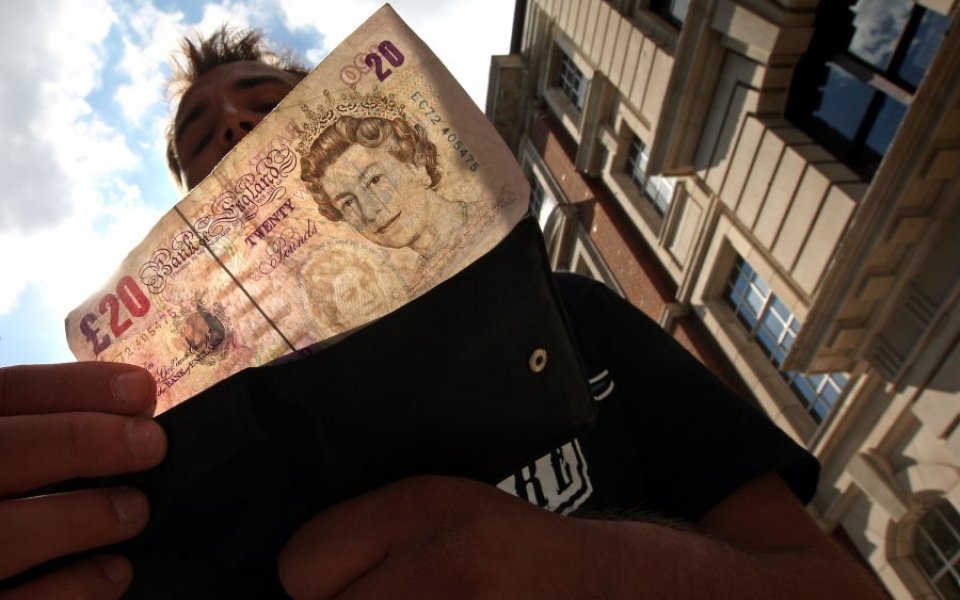
Following the Prime Minister’s EU renegotiation, the debate is already raging. Myriad topics, from sovereignty to benefits, are dominating the headlines. But what shouldn’t be lost in the detail – and should be celebrated – is David Cameron’s success in protecting the pound.
This, alongside related hard-won measures, has far-reaching and positive consequences for Britain’s economic security, and the City’s status. Keeping control over our currency means retaining control over interest rates, financial regulation and economic policy while shielding us from Eurozone bailouts. These levers are key to retaining effective financial and political sovereignty in a globalised world. Other nations such as France have willingly ceded theirs.
William Hague once described the euro as a burning building with no exits. Certainly economies such as Greece have felt the heat in recent years. It was the future foreign secretary, then as Conservative leader, who first got me involved in politics: as a sixth former, I joined his “Keep the Pound” campaign. Although not a fashionable thing to do, it was the right thing to do then – and now.
That’s why Cameron’s success in this area is the crown jewel in his EU renegotiation.
He has secured an historic British opt-out from the euro, to be enshrined in EU law, giving permanent protection for the pound. At the same time, full access to the Single Market has been retained, alongside new, related measures that bolster our economic security and financial services sector.
For example, the UK is exempted from the EU’s landmark Banking Union project. This would have subjected the City’s financial institutions to a distant supervisor, the European Central Bank (ECB). Instead – and in the face of French opposition – Cameron has ensured that the financial security of British taxpayers and savers stays with the UK government and the Bank of England. British taxpayers will never have to bail out Eurozone countries or their banks. This is a massive safeguard for Britain’s economy.
Coincidentally, a new Bank of England Bill is currently going through Parliament – I’m on the Committee examining it line-by-line – which reforms the way the Old Lady operates, implementing lessons learnt from Labour’s financial crisis.
British businesses are also protected, not just our pound. Cameron won a guarantee that our firms can never be discriminated against in the Single Market because Britain is not a Eurozone member. London-based financial services firms, for example, can never be forced to relocate inside the Eurozone if they want to trade in euros.
Protecting the pound has also resulted in Eurozone states conceding that they cannot act as a bloc to force through changes to the Single Market without Britain’s agreement. This new “level playing field” builds on the Treasury’s victory last year, where it defeated the ECB in the courts over the proposal that all Eurozone securities transactions should be cleared inside the Eurozone itself.
Not only will these safeguards be legally-binding, but Cameron has made certain that, if the UK ever fears these rules are being broken, we can unilaterally activate an “emergency lever” ensuring other EU leaders enforce them to protect British interests.
What does this mean in practice? Simply, the Eurozone can no longer impose its costs and decisions on us. At the same time, we won’t stand in their way as they take necessary steps to integrate their currency so that it succeeds, which is clearly in our economic interests.
What would Brexit mean? All the protections Cameron has won would go up in smoke. We’d be at the mercy of an EU bloc that would make an example of a leading member state which had flounced out despite their efforts to accommodate our concerns. The idea that we could conjure up a UK-EU trade deal overnight – when Canada’s has taken seven years and still isn’t done – is a dangerous illusion.
It’s clear that many in Europe would use Brexit to diminish Canada, which they have eyed enviously for many years. And if we wanted continued access to the world’s biggest single market, we’d have to pay in, and accept conditions like free movement of people without any say over the rules.
Today, Britain is the fastest-growing industrialised economy. By permanently retaining control of our currency, interest rates and fiscal policy through the Prime Minister’s new EU deal, we keep control of our economic sovereignty and our financial future.
In 2016, Cameron finally led Hague’s pro-pound campaign to victory, protecting British taxpayers, businesses, savers and mortgage holders for generations to come.