Exclusive: Good Energy chief slams poorly run companies in worsening market crisis


The energy crisis has been exacerbated by poorly managed firms and the fixation on price competition, argued Good Energy chief executive Nigel Pocklington.
He told Morning Wire that some of the 29 doomed suppliers which have collapsed since August were “little better than Ponzi schemes.”
In particular, he criticised the emphasis on ultra-low prices and switching following recent market reforms, which saw the industry boom to 80 firms in 2018.
While this resulted in a general reduction in energy bills, he believed it also cut down necessary barriers to ensure competent management at energy suppliers.
Pocklington explained: “Switching wasn’t a panacea, and certainly not switching within a market with so many players, many of which were poorly capitalised, or poorly run.”
He further suggested there is a “strong case to say there was a significant regulatory failure” in the creation of the current crisis.
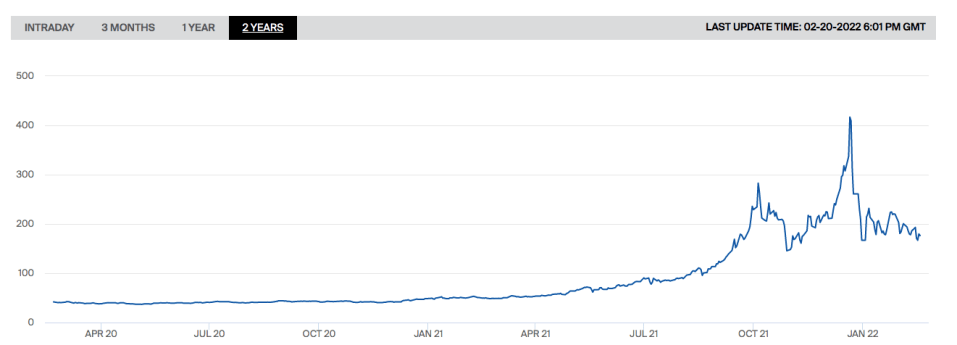
The crisis has been exacerbated through a lethal combination of soaring wholesale costs, and the constraints of the market cap that has restricted the ability of suppliers to pass on raised prices to customers.
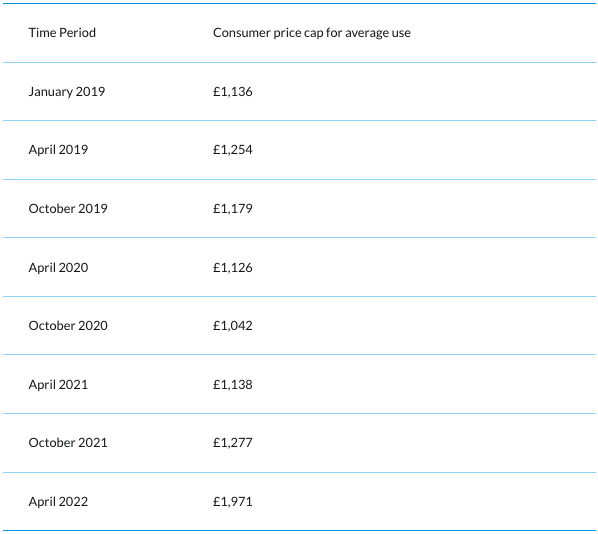
The subsequent industry carnage – which has directly affected over four million consumers – has seen Ofgem hike the price cap 54 per cent from April, meaning household energy bills will rise to nearly £2,000 per year for average users.
Ofgem has recently announced hedging controls and financial stress tests to ensure energy firms are resilient to future market shocks, following Citizens Advice hammering the market regulator for failing to ensure suppliers were well-managed.
Meanwhile, Downing Street has rolled out a costly £9bn rebate scheme – which could provide households with an initial saving of up to £350, which would then be paid back over time.
Commenting on the price cap, Pocklington said: “It’s a clumsy intervention, and it’s now needed further clumsy interventions to correct the clumsy intervention. This is always what happens when governments intervene in markets.”
Bulb blows: Supplier’s collapse highlights importance of hedging
Despite the problems caused by the cap, he was unprepared to let Bulb Energy (Bulb) off the hook for dropping into special administration, where it remains on life-support, surviving through transfusions of public money estimated at nearly £2bn – the biggest state bailout since RBS in 2008.
Pocklington described Bulb as “greenwashers”, and that its collapse was a “scandal that arguably has not been quite covered as one yet.”
He argued Bulb was too short on hedging while also being too big to be saved by the supplier of last resort process, which other collapsed firms have moved through.
Contrasting Good Energy’s approach with Bulb’s, the chief executive said: “We have an up-to-18-months-out approach to hedging. We said when we were coming into winter 2021 that we were 100 per cent hedged. That’s one of the reasons we’re still here. Now have we grown like Bulb did? No. But nor have I cost the Treasury or the bill-payer any billions of pounds to rescue me.”
Good Energy is a renewables-only energy supplier and services company, focused chiefly on wind and solar power.
It is home to around 250,000 customers, which is split between supply consumers and people on feed-in-tariffs, who administer their supply of electricity back into the grid.
The firm operates through a network of around 2,000 independent generators – which Pocklington said could provide enough power to supply the whole of Manchester for a year.
It recently won a shareholder showdown with rival supplier Ecotricity, headed by Dale Vince.
The group has a minority 25 per cent stake in Good Energy, and opposed the supplier’s strategy to sell its generation assets and focus on power purchasing agreements with independent generators.
Ecotricity filed a motion on Christmas Eve to both oust Good Energy’s chairman William Whitehorn, and to prevent Good Energy selling assets without shareholder approval.
However, Whitehorn held on to his position and the special resolution to block asset sales was thwarted with shareholders resoundingly backing Good Energy.
In between the motion being filed and the vote, Good Energy offloaded its generation portfolio, consisting of 47.5MW of solar and wind assets, to Bluefield Solar Income Fund for £24.5m.
When approached to comment on the price cap, a spokesperson for the Department of Business, Energy and Industrial Strategy told Morning Wire : “The energy price cap has insulated millions of customers from volatile global gas prices during the winter months.”
Commenting on Pocklington’s criticisms of its regulatory performance, an Ofgem spokesperson said: “Ofgem recognises we need to go further and faster to make the market more resilient to similar price shocks in the future, including to ensure that the price cap reflects volatile wholesale prices more closely, and we are putting in place a package of reforms to achieve that.”
Bulb Energy declined to comment.