Explainer: How will the BBC change in the next five years?

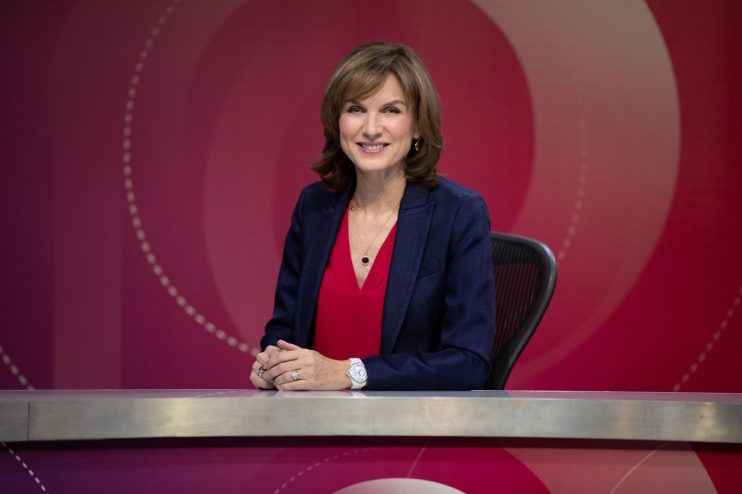
The BBC this week published its annual plan, outlining its strategy and financial targets as it looks to adapt to major shifts in the media landscape.
It comes at a tough time for the public service broadcaster, which is facing declining viewer numbers and a political row over its licence fee funding model, as well as the impact of the coronavirus pandemic.
Director general Tim Davie, who took over the role in September, has promised to overhaul the BBC for the new era, while further shake-ups could be in the pipeline from new chairman Richard Sharp.
So here are four major changes to expect from Auntie before its current Charter period expires in 2027.
1. Cost-cutting
Front and centre of Davie’s priorities for the BBC will be a major cost-cutting plan.
The broadcaster is facing a squeeze on its income from the licence fee, while tough competition from streaming rivals such as Netflix and Amazon is putting pressure on audience numbers, as well as driving up the cost of developing programmes.
At the start of the pandemic last year the BBC outlined measures to save £125m to mitigate the impact of the crisis.
But this is in addition to wider cost savings. The organisation has slashed roughly 900 jobs and cut programming budgets, putting it on track to make savings of £880m by the end of the financial year. This puts the BBC a year ahead of schedule and on track to make savings of more than £950m by the end of the upcoming financial year.
As pressure continues to mount from deep-pocketed media rivals, the cuts inevitably mean the BBC will be forced to do more with less. With limits to the amount of cuts that can be made to back-office roles, this means the organisation will have to wield the axe on shows. Programming budgets are set to be slashed by more than £400m in the coming year.
2. Going commercial
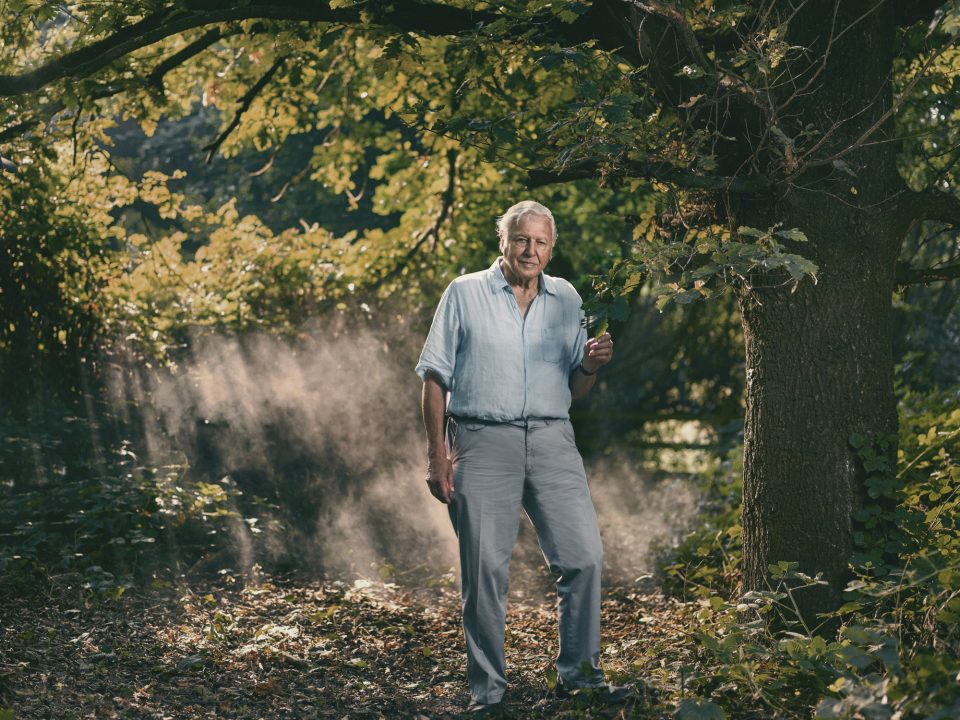
As the BBC’s finances become ever more strained, Tim Davie is turning his attention to the broadcaster’s commercial operations. With the licence fee under threat for its domestic operations, the boss instead wants to cash in on the international success for shows such as Strictly Come Dancing and Seven Worlds One Planet.
Over the five-year period from 2022 the BBC plans to increase its commercial income by 30 per cent to £1.5bn. It is currently on track to hit its five-year returns target of £1.2bn by the end of the current financial year.
The major strategy in this area will likely be pursuing a direct-to-consumer model similar to the ones favoured by Netflix and Disney. The BBC has begun rolling out Britbox, its joint streaming service with ITV, and is looking to expand in up to 25 markets outside the UK.
The BBC has also said it will move its children’s production arm, which makes shows such as Blue Peter and My Mum Tracey Beaker, into its commercial division next year in an effort to generate more income from its shows.
Other options for creating new digital revenue streams outside the UK including potential commercial opportunities for both audio and news.
4. Across the UK
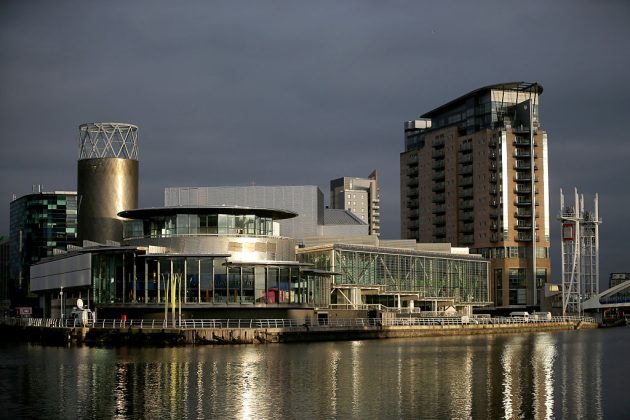
In addition to the financial pressures, the BBC is also looking to bolster its credentials as a national broadcaster amid accusations of metropolitan bias.
The major driving force behind this is a six-year plan dubbed “Across the UK”, which will see a redistribution of resources across the country.
As part of the plans, 400 news jobs will be shifted out of London to regional hubs such as Manchester and Leeds. In addition, at least 60 per cent of its TV commissions by spend will be made outside the capital. Half of the corporation’s radio and online audio spend will also be outside London by 2028, while more money will be pumped into regional drama and comedy TV series.
Davie said the project will help the BBC “deliver for the whole of the UK and ensure every household gets value”. The corporation expects to spend £700m on the relocation project, which it said will generate an additional economic benefit of £850m.
4. Getting down with the kids
Another key part of the BBC’s strategy will be to refocus its output to target youth audiences. The broadcaster is suffering from a decline in viewing figures among younger Brits, many of whom are turning instead to streaming services and social media platforms for entertainment.
One of the major changes lined up to tackle this problem is the return of BBC Three as a broadcast channel. The youth-focused channel was made online-only in 2016, but is set to return to screens next year. It comes after BBC Three delivered a string of popular hits such as Normal People, Fleabag and Killing Eve.
Meanwhile, the corporation has announced it will slash original programming on the highbrow BBC Four, which is known for its arts and culture shows. Instead, BBC Four will become a home for archive content, though it will continue to broadcast performances such as the Proms and BBC Young Dancer.