Fabulous! Pop these bottles this World Champagne Day

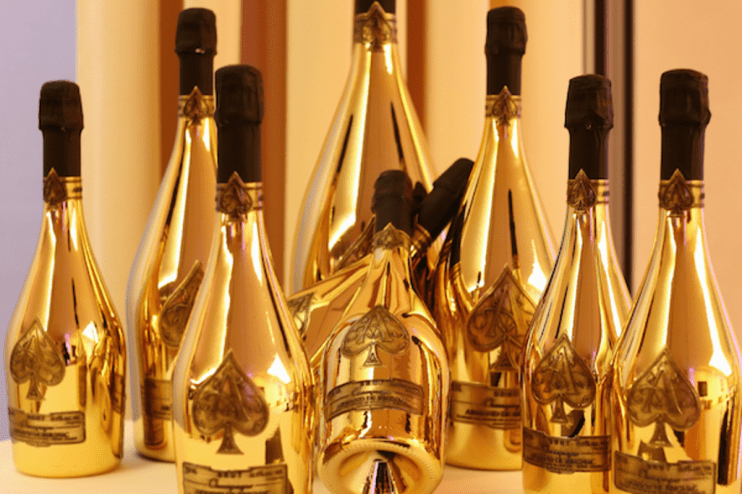
A day worth celebrating, 24th October is World Champagne Day, as if anyone needs an excuse to pop a bottle!
Hundreds of years ago the wine in Champagne was still and pinky-red – a world away from what we associate with the region now. Bubbles were considered a fault, exploding the weaker bottles made for still wines. Dom Pérignon, the Benedictine monk sometimes credited with inventing champagne was in reality trying to get rid of the fizz.
It was the English who discovered a taste for bubbly wine, created stronger bottles to withstand the pressure and made it fashionable at court and among the wealthy. During the 1700s Champagne Houses sprang up to create this effervescent wine, the oldest surviving house today being Ruinart, founded in 1729.
As the wine has adapted, so has how we drink it. Well-chilled is essential (around 6-8 degrees for most champagnes) but glassware can cause consternation.
Coupes, falsely said to be based on the shape of Marie-Antoinette’s breast, were the original champagne-specific glass gaining popularity in the 1700s. They have a definite glamour, but the width means wines lose bubbles quickly – and though I’d suggest drinking faster, that shallow shape is a devil for sloshing out the champers when you’ve had a few and balance is questionable.
Flutes took over.
Tall and slender, these were elegant and retained fizz but have recently fallen from favour. The narrow glass means the full aroma and flavour of the wine is not expressed, curtailing the enjoyment especially of aged and richer styles. Nowadays, the tulip glass is on trend. Still with the length to retain the sparkle, they have a wider rim allowing for all those gorgeous aromatics to open up. If in doubt, it’s more en vogue to use a white wine glass than a flute right now.
Brut
The most common and popular style of champagne is dry but rounded with between 6-12 grams of residual sugar per litre. It is made from a blend of some or all of the three main champagne grapes, chardonnay, pinot noir and pinot meunier. Piper-Heidsieck is the most awarded champagne house of the last century and its signature Cuvee Brut (£44.99 Waitrose) shows the generous elegance of brioche and blossom.
Blanc de Blancs
Meaning ‘white of white’, these are only made with white grapes so are usually 100% chardonnay and crisper and lighter in style. Laurent-Perrier’s philosophy of ‘freshness, purity and elegance’ perfectly suits a Blanc de Blancs, and theirs is also Brut Nature meaning no residual sugar at all. Fashionable now, they were ahead of the curve and the first to produce this driest of styles before it was officially recognised. The current Laurent-Perrier Blanc de Blancs Brut Nature (£90 greatwine.co.uk) is based on the 2016 vintage with mouth-watering lemon sherbet, delicate white breadcrumbs and a chalky, fresh minerality.
Blanc de Noirs
Meaning ‘white of black’. These are made of only black grapes and are generally fuller bodied, a touch richer, with some red-fruit notes. Champagne Drappier is a fascinating historical house with minimal intervention winemaking, and drinking their champagnes shows you are in the know. Their Blanc de Noirs (£54.95 The Whisky Exchange) is 100% Pinot Noir and a crisp zero dosage, resulting in a wine that is both peachy and pure.
Rosé
Most commonly made in Champagne by blending a little still red Pinot Noir into the champagne to give it colour. The Billecart-Salmon Rosé (£76 Fortnum & Mason) is one of the most loved bottles of pink, definitely by myself, as this is the drink that made me put down the Smirnoff Ice and take up wine all those years ago. Wild strawberries, pops of raspberry, a dusting of shortbread. Delicious all year round.
Demi-Sec
A sweeter style with 32-50 grams of residual sugar per litre. Often neglected, the gentle sweetness and sparkle makes it ideal with desserts, afternoon tea and fruit. Gracefully honeyed and beautifully balanced, the Pol Roger Demi-Sec (£60 Majestic) is a hit with my guests when I pop it over pudding. Be the host with the most!
Whatever some world leaders think, wine labelled ‘Champagne’ can only come from the Champagne region of France, so set aside other sparkling for now and raise a glass to this pioneer of pop.