Fed chair Kevin Warsh faces Jackson Hole D-Day

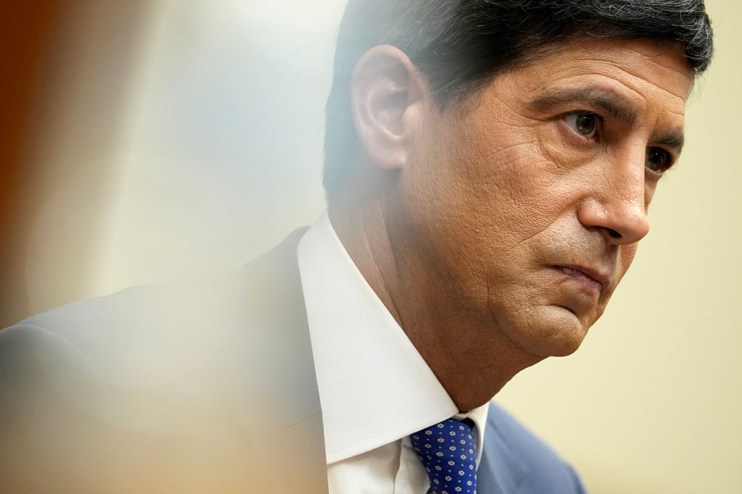
Kevin Warsh has opted for a less-is-more approach when communicating his feelings on interest rates and inflation. Ahead of his first set piece speech as Federal Reserve chair, investors want to hear more, writes Ali Lyon.
When Federal Reserve chair Kevin Warsh steps up to the wood-panelled stage at this week’s Jackson Hole symposium, investors the world over will be looking for one thing: clarity.
Donald Trump’s pick to lead world’s most influential central bank has spent his first few months in post adopting a strategy of plausible deniability; refusing to rule decisions in or out, swerving speculation on future events, and slashing the volume and regularity of its communication.
Markets should, Warsh’s argument goes, come to collective judgements on the path of interest rates, and price assets like bonds, mortgages and equities, without relying on reems of of so-called ‘Fedspeak’ outlining officials’ every thought.
Accordingly, at the few public appearances he has made to date, the finance chief has mastered the art of saying very little and promising even less.
It is an approach that has garnered support from some quarters. Proponents argue that less communication gives the Fed more room for manoeuvre when faced by the – increasingly regular – succession of external shocks.
But as he gears up for his maiden speech on Friday, a barrage of monetary cross currents have caused City analysts and investors to form a collective judgement of their own: Warsh’s vow of silence has gone too far and risks upsetting precarious market confidence. Kevin needs to start talking.
“Warsh has a chance to provide some clarity and re-establish some confidence in his leadership,” says Jack Janasiewicz, lead portfolio strategist at Natixis Investment Management. “A more detailed explanation of his ideas would go a long way in terms of doing this.”
Warsh tight-lipped on inflation stance
Driving the desire for greater clarity is the uncertainty that persists around what – if anything – it would take for this new-look Fed regime to raise interest rates. Jay Powell, Warsh’s softly spoken predecessor, earned himself numerous block-capital-laden dressings down from Donald Trump for keeping the Federal Reserve’s central interest rate on hold even as inflation eased towards the end of last year.
The President’s onslaught even went as far as pursuing Powell in the courts, when the Department of Justice opened a criminal investigation into the central banker in January. Ostensibly, the probe related to Powell’s mismanagement of the refurbishment of the Federal Reserve’s Washington DC office. But most – including every living ex-Fed chair – read it as another rebuke of his approach to monetary policy.
It is in this context that investors are all the more sensitive to any indication that a Federal Reserve under Warsh, who was hand picked by Trump and Treasury secretary Scott Bessent, will resist raising interest rates.
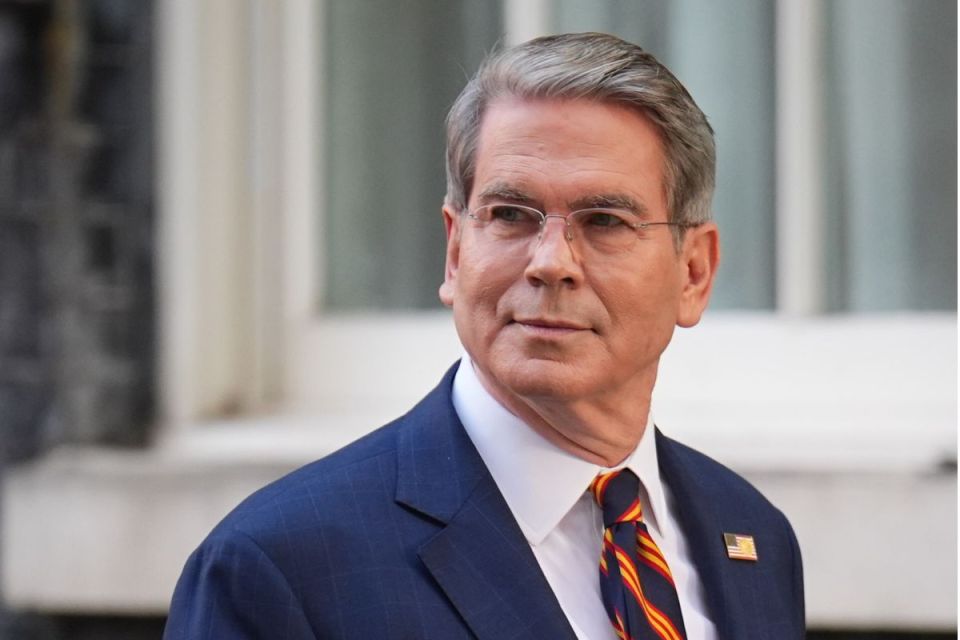
So far, there has been little to suggest either way whether those fears are warranted. At both of his interest rate decisions to date, Warsh’s Federal Open Market Committee (FOMC) held its central interest rate between 3.5 per cent and 3.75 per cent. Those moves were firmly in line with market expectations and caused little disquiet in their own right. But without the kind of detailed rationale Warsh’s predecessor gave investors to pore over, many are unclear what developments would lead to a change in position.
That uncertainty has manifested itself in one especially alarming place: the $50 trillion market for US government bonds – known as Treasuries. Shortly after Warsh concluded his July press conference, long-dated US government bond yields climbed to what was then their highest level since 2007. Franklin Templeton’s Sonal Desai said the sell-off, which has since compounded, was the result of traders placing an “uncertainty premium” on long-term Treasuries, because of Warsh’s tight-lipped communications style.
Bessent buyback blurs picture
Since then, yields have continued to climb on fears of runaway inflation and the US’s ballooning sovereign debt pile.
So concerning was the jump, that it prompted Scott Bessent to announce a highly unusual move to double the government’s buyback programme of long-dated bonds. But the manoeuvre, which Bessent said was an attempt to correct pricing that “doesn’t reflect the underlying fundamentals”, has been roundly criticised by investors and institutions alike – and leaves Warsh treading an even narrower tightrope come his speech on Friday.
“The Treasury adds another layer of complexity,” said Kevin Thozet, a member of Carmignac’s investment committee. Whether to address those rising long-term yields “and the interaction between monetary and fiscal policy” is a key question Warsh must answer, Thozet added.
There is little to suggest the central banking chief will heed investors’ demands for more clarity, though. The theme for this year’s Jackson Hole symposium, the annual jamboree for central bankers, is ‘Financial Innovation: Implications for Payments and Policy’. That gives him plenty of cover to restrict his speech to subject matter on which he has been more willing to address.
“Markets need greater clarity on the Fed’s reaction function in terms of of how much weight it puts on still-elevated inflation,” said Nuveen’s Laura Cooper.
And in Thozet’s eyes, “a speech offering little guidance, leaving investors unconvinced, would see the pressure on the long end intensify”.
For now, though, Warsh’s aversion to so-called forward guidance has permeated into the logistics surrounding this year’s Jackson’s Hole symposium: even the title of his speech has not been published.