Fintech was born out of the 2008 crisis: now it will help us navigate another storm

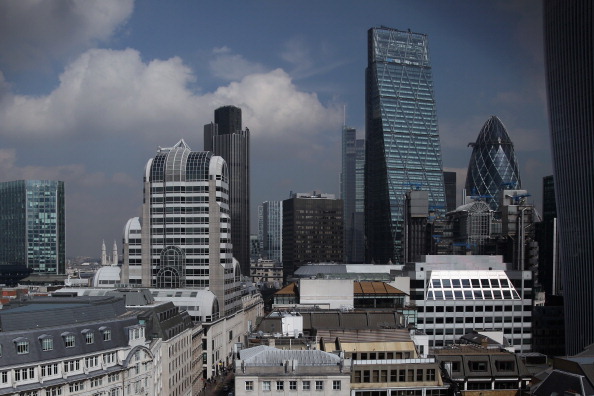
In the aftermath of the 2008 financial crash, the financial services industry was in crisis. Silver linings were hard to come by. That period of turmoil led to the emergence of a new wave of financial innovation that would transform the industry and drive a fintech revolution.
The crisis created opportunities for new companies to step in and respond to the needs of individuals and small businesses – offering affordable finance and strengthening resilience in the financial services system.
Since then, we have seen continued transformation of the financial services landscape, as innovative new entrants increasingly provide consumers with more choice and easier access to a wider range of products.
By 2019, for example, alternative lenders like Starling Bank and Funding Circle were providing over half of all loans to Britain’s small firms.
In the face of an unprecedented global health crisis, we once again saw the fintech world rise to the challenge. Covid-19 shone a light on the role technology can play in all areas of our lives, not least financial services. Fintechs helped individuals and businesses throughout the pandemic, providing solutions that improved financial wellness, business stability and supported the most vulnerable. As a consequence, the adoption of fintech accelerated, with 8 out of 10 adults in the UK now using a fintech tool.
We are now once again at a critical juncture, facing three global crises – and we’ll be exploring current conditions this week at IFGS 2022 and UK FinTech Week 2022.
The unthinkable has happened as war has returned to European soil, with the economic ramifications being felt across the world. The fintech community quickly mobilised to support humanitarian efforts, providing key digital solutions to those impacted on the ground. It enabled refugees to access online banking, and receive urgent cash transfers from friends and family. It also supported the implementation of tight economic sanctions at unprecedented speed and coverage – adapting quickly and deploying additional resources to meet legal obligations.
To compound this, we are also sitting on the brink of a cost of living crisis expected to result in the largest fall in living standards in the UK since records began nearly 70 years ago. This will increase debt, erode people’s financial resilience and financial health, and will cause many smaller businesses to struggle.
Lastly, we still face one of the biggest challenges we have seen as a society – averting climate change catastrophe. This will depend upon us rewiring our financial systems to direct capital to net zero solutions. Fintechs have a critical role to play in helping all of us reach this goal.
Yet all of these crises have galvanised fintech leaders’ commitments to continue to provide innovative services that put the customer back at the centre of the proposition.
The future of financial services, and our economy, will be defined by these crises and how we respond. It will be shaped by a new wave of innovation, including embedded finance; digital, programmable assets and blockchain enabled payments and markets; and the next generation of artificial intelligence and machine learning solutions.
This in turn will put regulation in the spotlight. We need more agile, faster regulation to ensure the consumer is protected, and enable innovation.
The individuals and entrepreneurs transforming financial services have already proven that it is possible to create an improved financial services system that better serves the consumer.
I am confident that our fintech and financial innovation community will not only meet these challenges, but will continue to grow stronger through them.