Fintechs are being forced to play second fiddle by banks’ anti-competitive practices

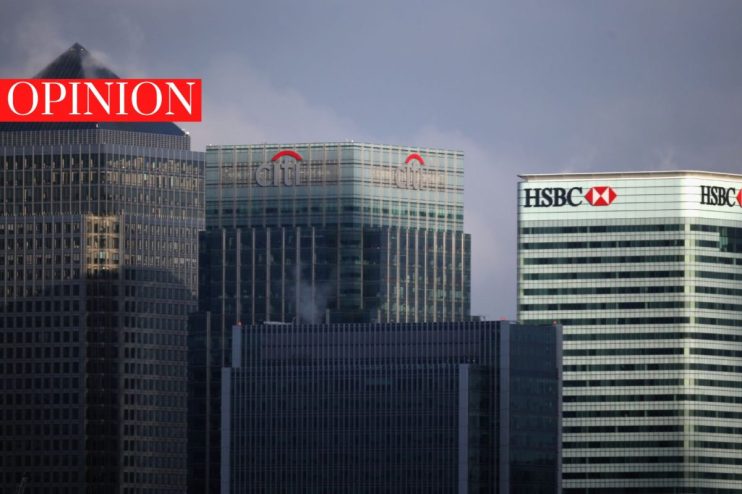
Financial institutions have come under intense scrutiny recently, with Alison Rose’s resignation from NatWest, and subsequent payout announcement, the most recent case.
While many in the Westminster bubble were mesmerised by the account balances of household names, consumers without private bank accounts are facing a threat that is costing them millions: credit card companies act like a cartel, hoarding their data and preventing access to money-saving fintechs, while interest rates on their credit card debt rise to over 20 per cent.
The time has come for ministers to prioritise the financial protection of ordinary consumers with the same fervour it dedicates to defending (former) politicians losing their accounts.
The crux of the issue lies in open banking data and its potential to revolutionise the financial industry. Many fintechs rely on open banking rules to provide consumers with opportunities to save money. However, big credit card providers like NatWest, HSBC, and Barclays are refusing to share users’ “summary box information” in user-friendly digital formats, stopping consumers from shopping around.
The consequences of this data protectionism are dire. A staggering 60 per cent of the UK credit card market uses this practice, costing consumers millions. With sky-high credit card interest rates, consumers are subject to a hidden tax of nearly 25 per cent if they fail to pay their outstanding balance in full every month; more than half of credit card holders do not.
With 14.5 million people caught in this debt trap, the government needs to force banks to give up a deeply uncompetitive practice. If they can make changes for Nigel Farage, they can do the same for everyday Brits.
Among the offenders, NatWest stands out as a poster child of the major culprits. The bank, along with Barclaycard, covers a quarter of the UK’s credit card market, but deprives many of these consumers of potential savings, making it hard for fintechs to safely and securely access consumers’ data. So even though NatWest’s own website publicly calls for collaboration with fintechs to promote open banking, their own documentation shows they do not share key statement information with open banking-based fintechs, a clear breach of the FCA’s guidance. Cardeo’s attempts to resolve the matter have been met with delays from NatWest, but silence from others. Both approaches hurt consumers.
The Data Protection and Digital Information Bill currently working its way through parliament presents a golden opportunity for the government. Simple legislative tweaks could compel credit card issuers to make consumer data more digitally accessible, while the introduction of a single regulator, empowered to enforce these regulations, could end the double standard where big banks enjoy leniency even as consumers suffer.
The credit card market is broken, and immediate change is necessary. In the past, common-sense changes during the early days of open banking led to reduced fees and immense consumer benefits and created a world-leading industry in the process. There is no reason why we cannot replicate this success in the credit card market.
Government must prioritise consumer protection and encourage credit card issuers to embrace open banking rules. By doing so, we can create a fair and transparent financial landscape that benefits all consumers. It is time to act and ensure that the financial industry works in the best interest of the people it serves. Only then can we truly claim to have a modern, consumer-friendly credit card market.