Skip to content
Friday 7 August 2026London --:--Frankfurt --:--Zurich --:--
NewslettersSearchEN · DE
MorningWire

European business, markets and politics

FTSE 100
10,918.45
+0.47%
DAX
26,293.95
+0.59%
CAC 40
8,720.63
+0.24%
STOXX 50
6,530.41
+0.43%
  • Europe
  • Markets
  • Business
  • Economy
  • Technology
  • Politics
  • Opinion
More
GermanyFranceBankingAIEnergyFintechPropertyCapital Markets
  • Germany
  • France
  • Europe
  • Markets
  • Business
  • Economy
  • Technology
  • Politics
  • Opinion
  • DE
Wednesday 24 July 2024 5:49 am  |  Updated:  Tuesday 23 July 2024 12:59 pm

Fiscal prudence? The iron chancellor doth protest too much

By: Tim Focas

Add as a preferred source on Google
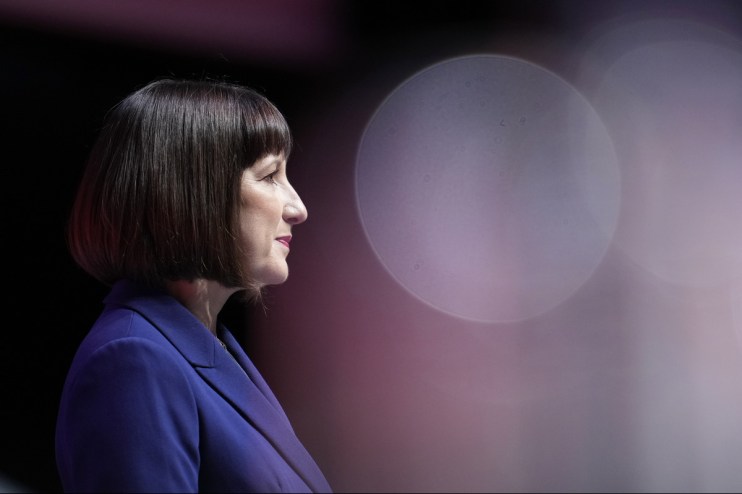
Rachel Reeves has styled herself as an "iron chancellor", promising fiscal constraint and discipline

Rachel Reeves’ decision to expand the powers of the OBR suggests apprehension, not confidence, writes Tim Focas.

Rachel Reeves has promised to be an “iron chancellor” embodying fiscal constraint and discipline. Yet, her first legislative move to enhance the powers of the Office for Budget Responsibility (OBR) raises questions about her own confidence in living up to this tough fiscal image.

Reeves’s initiative to empower the OBR – with the introduction of a “fiscal lock” to ensure any major tax or spending announcement is subject to an independent assessment from the watchdog – is ostensibly aimed at preventing a repeat of Liz Truss’s disastrous “mini-budget”. Truss’s uncalculated tax cuts, announced without specifying offsetting spending cuts or revenue increases, came at the peak of the UK’s inflation crisis. Investors understandably interpreted these tax cuts as a signal that the Bank of England would need to raise interest rates more aggressively, exacerbating borrowing costs for both the government and the private sector.

In this context, the premise for creating a new watchdog may sound prudent, but it also raises a critical question: why does Reeves feel this need? An iron chancellor, after all, would never propose radical tax cuts without corresponding measures to maintain fiscal balance, making additional oversight redundant. The need for an empowered OBR thus suggests a lack of faith in her own ability to maintain fiscal prudence.

Lest we forget, the OBR was (ironically) originally established by a Conservative-led coalition government to ensure transparency and accountability in fiscal policy. Reeves’s move to bolster this body’s powers is arguably an attempt to reinforce Labour’s image of fiscal competence. However, it appears more symbolic than substantive. It aims to draw a stark contrast between the Labour administration and Truss’s government, leaning on the public’s pejorative memory of the mini-budget crisis to highlight Labour’s purportedly superior fiscal responsibility.

This strategy might provide Labour with a temporary political cushion, extending the government’s honeymoon period. It allows Reeves some breathing room to potentially implement a pro-growth policy agenda without immediately jeopardising public finances. However, it is crucial to recognise this empowerment for what it is: a political manoeuvre rather than a genuine fiscal safeguard.

Reeves, like her predecessors, will face significant fiscal constraints. The realities of the UK’s economic situation, including the need for sustainable growth and manageable debt levels, will limit her ability to enact expansive policies. Despite the political theatre, this so-called iron chancellor will soon have to make tough decisions that balance the need for economic growth with fiscal responsibility.

Ultimately, Reeves’s move to empower the OBR, while politically savvy, reveals a lack of confidence in her self-proclaimed image as an iron chancellor. If she were truly committed to fiscal constraint, there would be no need for additional watchdog oversight. This legislative action is a symbolic attempt to distinguish her administration from past failures, buying time to establish a credible policy agenda. The true test of her fiscal discipline will come when she faces the same classic tax vs spend barriers as her predecessors. As a former Tory chancellor George Osborne aptly put it on election night, “the very best of luck, she is going to need it”.

Tim Focas is the head of capital markets at Aspectus Group

Read more

Pension pressure to help swell UK debt to three times size of economy

Two older women exercising at an outdoor gym in sunshine

Share this article

  • Facebook
  • X
  • LinkedIn
  • WhatsApp
  • Email

Similarly tagged content:

Sections

  • Opinion

Categories

  • Opinion

People & Organisations

  • chancellor
  • Labour
  • Liz Truss
  • mini budget
  • OBR
  • Office for Budget Responsibility
  • Rachel Reeves

Related Topics

  • office for budget responsibility
  • Rachel Reeves

Trending Articles

  • Revolut founder’s wealth set to balloon amid talks of share award at $500bn valuation

  • Rupert Lowe axes pensions triple lock and pledges tax cuts in economic plan

  • As it happened: Stocks rise as oil fluctuates after Red Sea attack; US-Iran deal ‘being circulated’

  • Liverpool owners tipped to sell – but not to Amazon boss Bezos – by former CEO

  • WPP slashes jobs as revenue continues to fall

More from Morning Wire

  • Pension pressure to help swell UK debt to three times size of economy

    Economics
    Two older women exercising at an outdoor gym in sunshine
  • Tax rises ‘guaranteed’ as Healey faces £22bn black hole from Burnham spending plans

    Economics
    Chancellor John Healey smiling, wearing a navy suit, white shirt, and red tie.
  • OBR misery makes tax rises inevitable

    Opinion
    Treasury Department building with government bonds signage, representing financial management and bond issuance responsibi...
  • Reeves issues warning to successor as she battles to defend record

    Politics
    Reeves is eying mortgage reform as a key growth driver.
  • Nearly 1m people to pay higher tax ‘by stealth’

    Economics
    Tax Trap: Another 74,000 taxpayers were added to the punitive £100,000-£125,000 income bracket during the 2024/25 tax year
  • Voters expect Burnham to hike taxes

    Politics
    Andy Burnham discussing capital gains tax increase during a press conference, highlighting potential economic impacts
  • Warning for John Healey as key fiscal target missed

    Economics
    Labour MP John Healey in a professional headshot, likely for news or political profile.
  • Healey announces early Budget

    Politics
    Man in suit and red tie speaking at a podium to an audience in a modern building.
MorningWire

Independent European business, markets and political news for decision-makers.

Morning Briefing

Europe

  • Germany
  • France
  • Europe
  • UK & Ireland

Business

  • Markets
  • Banking
  • Technology
  • Energy
  • Property
  • Fintech

Editorial

  • Opinion
  • Editorial Policy
  • Corrections
  • Contact

Company

  • About Morning Wire
  • Privacy Policy
  • Terms of Use
  • Cookie Policy
© 2026 Morning Wire Ltd · Published by Morning Wire Media, Bahnhofstrasse 65, 8001 Zürich, Switzerland
Privacy · Terms · Cookies · Facebook