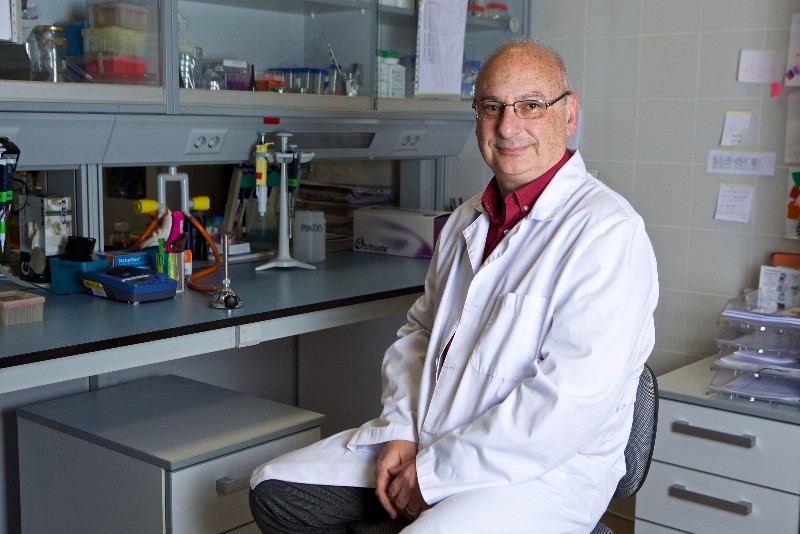
Five big names who made CRISPR possible

Before becoming a reality, many of our craziest dreams had first been imagined in comics, movies and television shows. Being passionate about robotics and AI and also being a movie lover, I have devoured a large number of Sci-Fi movies, with Gattaca being one of my favourites.
In this movie, new generations of humans are created to be ‘perfect’ using careful genome selection at their birth. Children who do not go through ‘gene selection’ were stigmatized in a form of ‘genetic discrimination’ and were not considered to be a part of the new society.
Gene editing is yet another technology which has crossed over from science fiction into reality. For the past ten years we have had the right technology to edit genomes, called CRISPR technology. CRISPR (pronounced “crisper”) is shorthand for CRISPR-Cas9. It is a DNA sequence within genomes of prokaryotic organisms such as bacteria and archaea.
By using the technology found within this sequence, researchers have been able to edit genomes and to explore new possibilities in modifying the function of specific genes, not only within crops and other organisms, but also with human genetics.
Some say that CRISPR represents a ‘singularity’ event that will change the world as we know it. Inevitably it is therefore attracting a lot of hype as well as interest from investors. Here is a list of the pioneers of CRISPR technology, and a short history of this innovative and disruptive discovery:
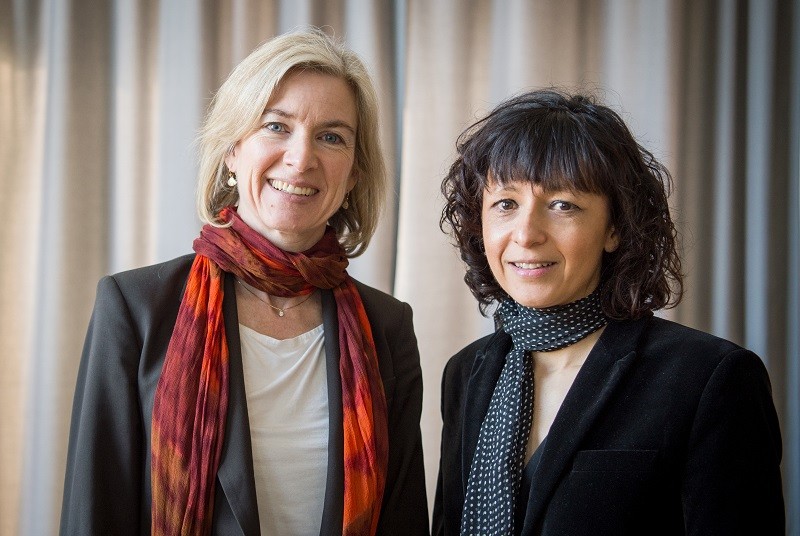
Jennifer Doudna & Emmanuelle Charpentier
Doudna and Charpentier are pioneers of CRISPR who have earned their place in history. Based on different continents (Jennifer Doudna in the United States and Emmanuelle Charpentier in Germany), together they discovered CRISPR-Cas9 ‘genetic scissors’. Their work was recognized in 2020 when they both received the Nobel Prize in Chemistry.
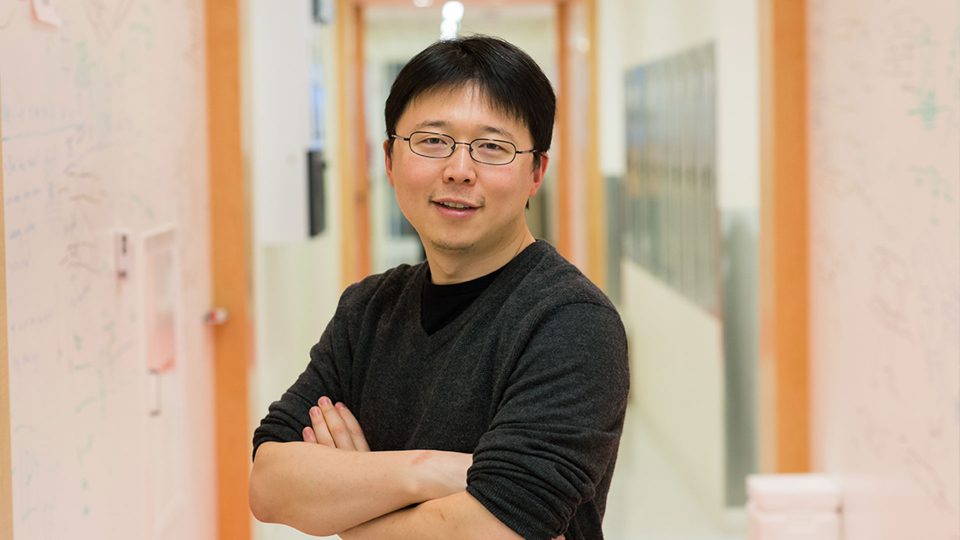
Feng Zhang
CRISPR research would not have reached the stage that it is now at without the brilliant work of Feng Zhang and his colleague Le Cong. Starting their work at the beginning of 2010, they started their research using genome editing tools for eukaryotic cells, leading them to publish a groundbreaking paper in 2013. Since then, Feng Zhang had received multiple awards for his CRISPR discoveries and is exploring the new possibilities to use this technology for brain disorders.
Yoshizumi Ishino
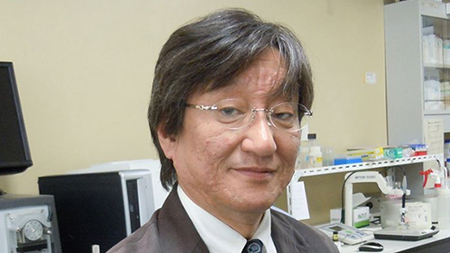
Not that well known when it comes to the contemporary study in CRISPR, Yoshizumi Ishino was the first to discover CRISPR in 1987. The discovery was accidental; Yoshimizu and his team were sequencing a gene called iap from the gut microbe E.coli when they discovered a “genetic sandwich”: a series of unusual repetitive DNA sequences within repeated sequences. Yoshimizu Ishino had to wait a few years (and many researchers) before it was named “CRISPR.” He is still working on the sequence at the University of Kyushu in Japan.
Francisco Mojica
Without Francisco Mojica, there would not be any sequences called CRISPR. Following the discovery by Yoshizumi’s team in 1987, Francisco Mojica focused research onto those specific repeated sequences that were mixed within non-repeated sequences in archaeal species. He later coined the term “CRISPR” with Ruud Jenson, and in 2005, Francisco Mojica found the specific function of the CRISPR. He later tried to publish its discovery, but four different journals refused him. Francisco Mojica is now considered one of the prominent pioneers in the discovery of CRISPR, and even though he did not receive the Nobel Prize, his work is regarded as one of the most important in the world of gene-editing tools.