Food inflation: First signs of energy cost surge feed through to supermarket shelves as discounts fail to stem price growth
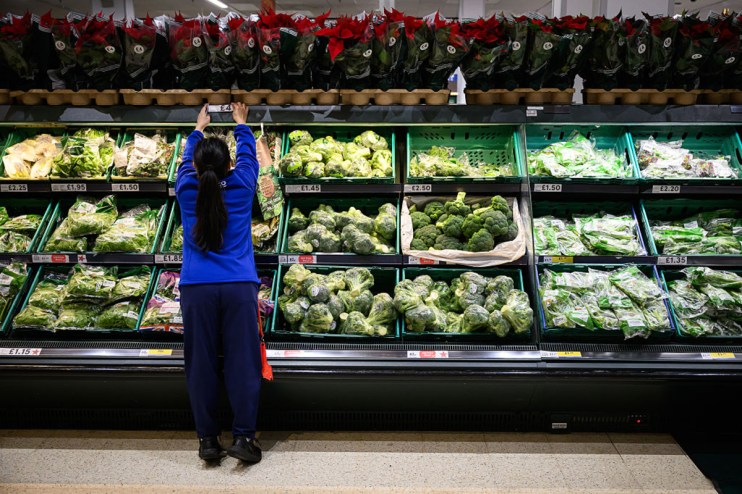
Supermarket food inflation has risen significantly for the first time this year, a Morning Wire analysis has found, flashing an early warning sign that the surge in energy and freight costs triggered by war in Iran is reaching shelf prices in the UK.
Morning Wire reporters gather data on around 200 prices of products across three major supermarkets – Tesco, Sainsbury’s and Waitrose – at the beginning of each month.
The latest data found prices rose by an average of 1.4 per cent month-on-month in June. Figures were largely unchanged overall in May.
While the dataset is small compared with wider exercises at official institutions, including the Bank of England, it offers an early glimpse into an expected wave of cost rises set to reach consumers over the summer.
The outbreak of war in Iran in late February alongside the closure of the Strait of Hormuz, a key passageway for trade, has pushed up freight costs globally, as well as reducing the supply of oil and fertilizer.
That has sent inflation expectations surging. In turn, it upended predictions of central bank interest rate cuts for the second half of 2026, with hikes now expected instead.
According to economists at the Organisation for Economic Co-operation and Development, which is made up of 38 major nations, UK inflation will peak at 3.7 per cent later this year. But food inflation is highly sensitive to energy costs and trade disruptions, and is likely to be higher still.
In May, Chancellor Rachel Reeves reportedly weighed introducing supermarket price caps across a range of essential foods in signs of heightened government anxiety over the prospect of summer inflation.
But the highly unusual move, which has since been abandoned, was met with widespread criticism by supermarket bosses and economists.
Speaking at a Treasury Committee appearance, Bank of England governor Andrew Bailey told MPs that controlling the price of household essentials centrally is “not a sustainable thing in the long run” because it constituted “artificially moving prices relative to costs”.
Waitrose leads the pack on price rises
Morning Wire’s inflation survey found that Waitrose saw the steepest month-on-month rise in average prices, with almost 40 per cent of the products surveyed costing more than they did in May, compared with just under 20 per cent in Tesco and 10 per cent in Sainsbury’s.
However, month-on-month prices fell at Waitrose across around a third of the products surveyed, compared to a quarter at Tesco and just 6 per cent at Sainsbury’s.
A host of staple items were cheaper, month-on-month, in most or all three supermarkets, including broccoli, tomatoes, canned chickpeas, oil and beef mince, while dairy products like milk, cream and cheese were largely unchanged across the board.
Alcoholic beverages led the price rises, with the exception of wine, where there was some discounting. Gin was up by an average of 10 per cent across the three supermarkets. Premium tonic water was up by around 9 per cent.
Waitrose appears to be adopting a strategy of hiking prices across storecupboard foods while enticing consumers with cut-price affordable treats.
Since May the employee-owned supermarket has put up the price of Heinz ketchup, Colman’s mustard, Pip & Nut peanut butter, Rowse squeezy honey and Tabasco sauce, while offering steep discounts on Lindt chocolate, Tony’s Chocolonely, Candy Kittens and Kettle chips.
The meat aisle had the strongest divergence in pricing strategy between the supermarkets. The cost of a beef roasting joint was down 5 per cent at Tesco but up 20 per cent at Waitrose, month-on-month, while the price per kilo of chicken breasts was down by almost a quarter at Waitrose but jumped 9 per cent at Sainsbury’s.
Overall, adjustments to prices were much more widespread at Waitrose compared with rivals, with more than 70 per cent of products surveyed having changed price since May, compared with 43 per cent at Tesco and 16 per cent at Sainsbury’s – though the discrepancy is partly explained by more frequent discounting of the loyalty price of over the list price of food by Tesco and Sainsbury’s.