Chanel buys historic shirtmaker Charvet to safeguard disappearing artisanal skills
The French fashion house has purchased the 187‑year‑old Parisian label, promising to keep its workshop and boutique unchanged as part of a broader effort to protect bespoke craftsmanship.
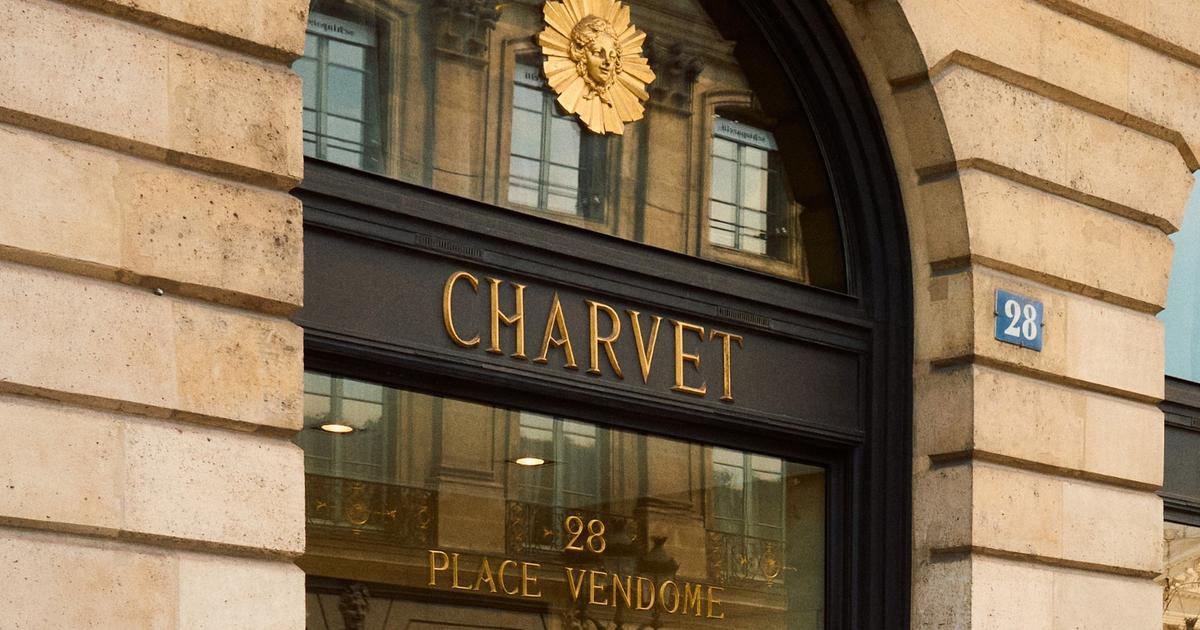
Chanel has completed the acquisition of Charvet, the venerable Parisian shirtmaker founded in 1838, in a move aimed at preserving a dwindling pool of haute‑couture craftsmanship rather than expanding its commercial footprint.
How the deal emerged
The transaction did not arise from a boardroom strategy. It began when Matthieu Blazy, Chanel’s creative director since early 2025, uncovered archival proof that Gabrielle Chanel herself had been a Charvet client, introduced by her lover Boy Capel. A personal customer of Charvet, Blazy approached the house to produce shirts for his Spring/Summer 2026 collection. The pieces were both critically acclaimed and sold well, but Charvet’s modest team of 60 artisans in Saint‑Gaultier could not meet the order without compromising their regular bespoke commissions. This production bottleneck sparked a deeper dialogue between the two neighbours on Place Vendôme.
The Colban family and Charvet’s legacy
Since purchasing the business in 1965, the Colban siblings – Jean‑Claude and Anne‑Marie – have run Charvet, a house that has dressed figures ranging from Gabrielle Chanel to Charles de Gaulle. Their father, Denis Colban, bought the company after an American buyer was rejected in favour of a French successor, a move championed by de Gaulle himself. The family secured the lease on the Hôtel Gaillard de la Bouëxière at 28 Place Vendôme, and for three decades the Colbans have overseen the workshop’s operations. Their heirs, however, showed no desire to continue the legacy, prompting the sale.
Negotiations and assurances
During the collaborative production, Chanel’s fashion division president Bruno Pavlovsky acted as a point of contact for Jean‑Claude Colban, who wanted to test whether the larger group understood the patience and discretion that underpin Charvet’s model. The Colbans ultimately agreed to sell after a personal connection formed between the two houses.
"This acquisition did not stem from a corporate strategy, but from a human story, a meeting of minds around a project rooted in craftsmanship," Pavlovsky said.
Chanel has pledged to keep Charvet’s Place Vendôme address and its Saint‑Gaultier workshop untouched. There are no plans for a global rollout of stores or for increasing productivity through automation. The brand will sit alongside Eres (acquired in 1997) and Orlebar Brown (2018) within Chanel’s portfolio, but will remain separate from the specialised maisons d’art such as Lemarié and Lesage that supply embroidery and knitwear to Chanel’s couture collections.
Strategic significance
Industry observers note a growing anxiety that the skills required for true bespoke tailoring are vanishing. By securing Charvet, Chanel gains not only a profitable label but also a living repository of techniques that cannot be replicated through marketing spend. Pavlovsky highlighted training and upstream manufacturing as the sector’s biggest challenges over the next twenty years, and described Charvet’s artisans and the Colbans’ institutional memory as an irreplaceable asset.
The acquisition also bridges a gender divide: Chanel, traditionally a women’s fashion house, is increasingly courting male clients, while Charvet, a men’s label, enjoys a strong following among women who appreciate its heritage.
Future outlook
Whether a global luxury conglomerate can truly protect the slow, unstandardised rhythm of a house that measures success in hours spent per customer rather than units shipped remains to be seen. For now, Chanel’s purchase signals a clear intent to safeguard a rare craft that has survived wars, political interventions and changing fashions for nearly two centuries.


