French rural schools network blends tradition and controversy in education deserts
A growing network of independent schools is bringing uniforms, flag ceremonies and phonics to rural communities where state education has retreated.
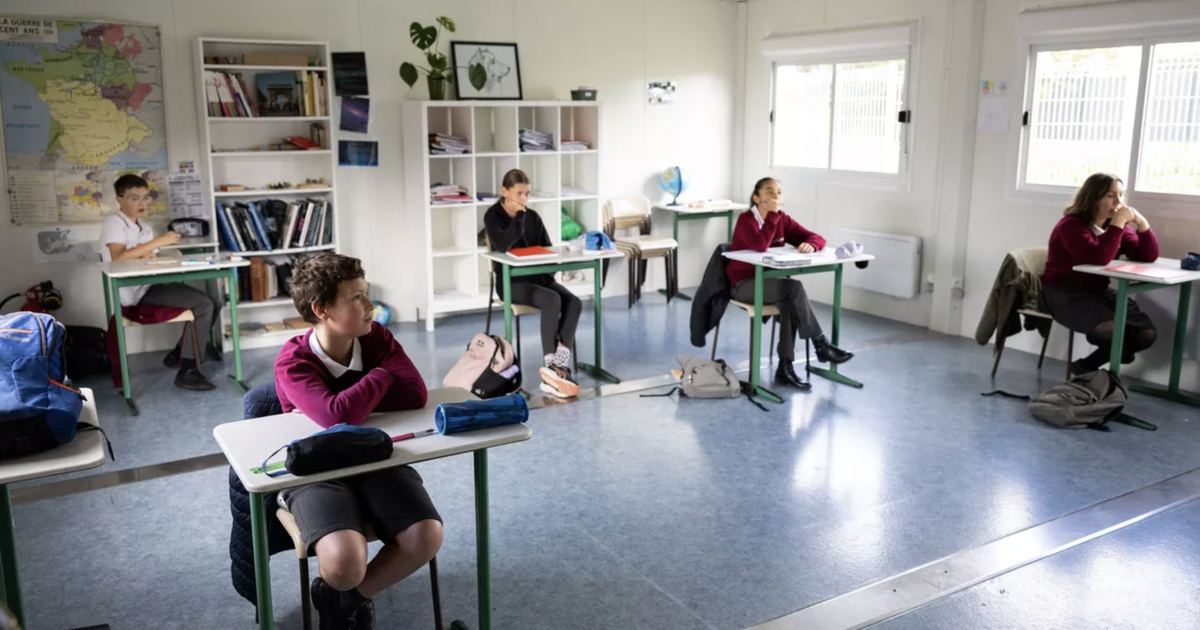
A new independent middle school has opened in Étang-sur-Arroux, a town of 1,800 in Saône-et-Loire, offering ten pupils a timetable that starts with the Marseillaise at 8 am and ends with supervised study at 4.30 pm. Cours Vauban is the latest campus of Excellence Ruralités, a network founded by Hervé Catala and Jean-Baptiste Nouailhac that promises small classes, uniforms and hands‑on workshops for children who have struggled in mainstream education.
The model is designed for areas where state schools have closed or where families feel the system has failed children with learning difficulties. Tuition is means‑tested at €30‑€90 a month, a fraction of typical private fees, because 90 per cent of funding comes from sponsors including L'Oréal and the Fonds du Bien Commun, backed by billionaire Pierre‑Édouard Stérin.
Traditional methods, modern context
Pupils wear grey skirts or trousers with burgundy sweaters, share meals with teachers, and spend Friday afternoons sewing, cooking or building compost bins. Marie de Seroux, the school's director, says nearly every child arrives with low confidence and diagnosed learning disorders. "Our goal is to welcome and provide an education to children who have nowhere else to go," she says. Teachers double as educators, joining playground games and walking children to the train station each day.
The curriculum mixes old and new: reading is taught through phonics, while mathematics follows the Shanghai method developed in the 2000s. Pierre‑François Chanu, the network's educational director, insists the approach is "neither ideological nor old‑fashioned" and that the schools are secular.
Inspections and political fire
Critics have homed in on Stérin's involvement. Mediapart and Libération have published pieces accusing the network of waging an ideological battle in neglected regions. Inspection reports from the education ministry have flagged pedagogical gaps and hygiene and safety failings, particularly at Cours Aliénor d'Aquitaine in Esse, prompting the Bordeaux authority to refer the case to the prefect for possible closure. The school's director, Philippe Sauer, says every deficiency has been addressed.
Results and next steps
Parents and staff remain loyal. Candice Debock, whose three children attend the flagship Cours Clovis in La Fère, says the school transformed them. Last summer the network highlighted average scores of 14.1 out of 20 at Cours Clovis and 12.4 at Cours Aliénor in the national middle‑school exam. Excellence Ruralités now plans to add eighth and ninth grades at Cours Vauban over the next two years and is seeking state association contracts that would bring public funding and greater oversight.


