Inside the Catholic Church's annulment process: three French stories of marriage, trauma and second chances
Annulment declares a marriage was never valid rather than ending one, and for some French Catholics it brings closure that civil divorce cannot.
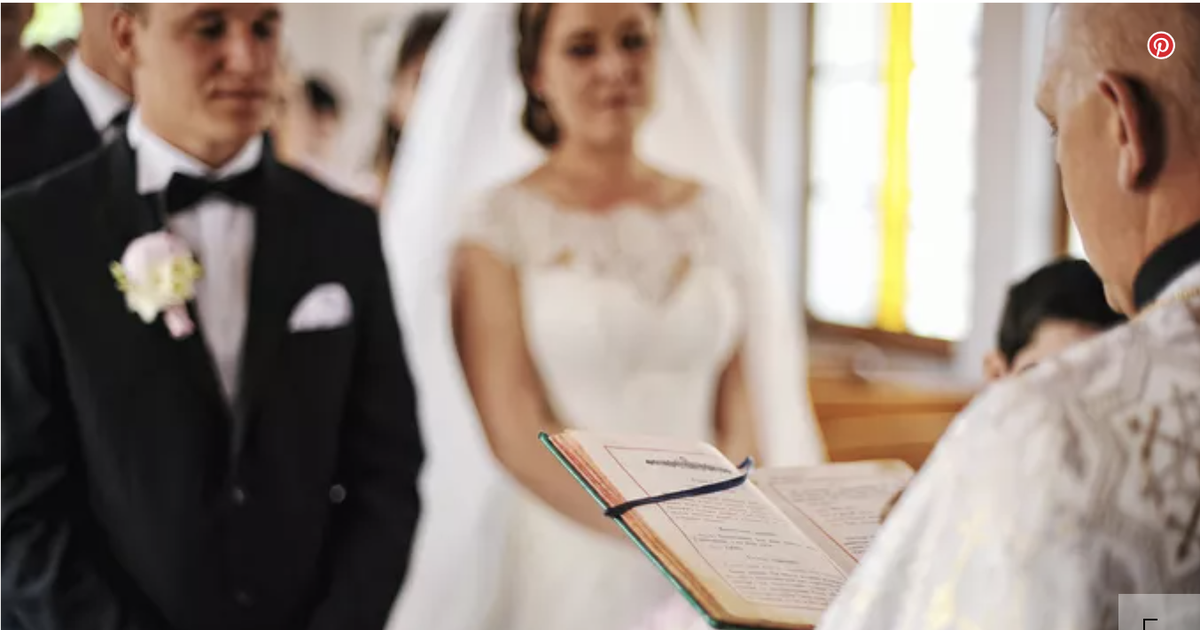
For Elizabeth, the wedding night is frozen in memory as trauma. She lay in her untouched dress, head full of questions, and the marriage was never consummated. Months of headaches and fatigue from her husband gave way to verbal abuse: he told her she had disgusted him with women, that it was her fault, that she had made him gay. At 51, she recalls the moment she walked into a parish seeking help and discovered annulment, not a Catholic divorce, but a declaration that the union was invalid from the start.
How the process works
The procedure unfolds before a Church tribunal known as an officiality. Maître Sérée de Roch, a canon lawyer in Toulouse, stresses the distinction: divorce ends a contract; annulment states the union was never valid. Grounds include immaturity, family pressure, absence of genuine consent, mistaken understanding of the person, or a concealed refusal to have children. The inquiry follows an inquisitorial model and the questions can be intimate. In the vast majority of cases the decision is made locally, in the bishop's name; Rome intervenes only on appeal.
It lifted a burden of guilt. I was told: this happens to many people.
Elizabeth's case moved quickly. Her witnesses were heard, her ex-husband ignored the summons, and the tribunal ruled the marriage null due to error concerning the person. It became a decisive part of her reconstruction, she says, though the civil world still drags her back, years later a notary introduced her as "Mrs Elizabeth, divorced from…" and she found it shameful. Her only regret: unable to remarry in church because her former husband never sought annulment of his own first marriage.
Fourteen years, nine children, a late clarity
Florence-Anne Ambroselli, an illustrator and founder of the Atelier de l'Enfant Jésus, married at 21, pregnant and unprepared. Several priests had advised against it; one remarked in a homily they were heading into the desert with an empty canteen. She stayed for 14 years, through physical violence, control and nine pregnancies, driven by loyalty, pride and a belief that a promise has value. "I lost my identity," she says. When she finally left, she had nine children and nothing, no bank account, no resources.
The annulment process forced her back to the beginning: a grandfather's letter opposing the union, a priest's doubts, the rushed wedding. The procedure lasted years, producing a 15-page brief, multiple interviews and a five-hour hearing. "It was very factual. But at the same time, very gentle," she says. Immaturity was cited, but the letters of opposition carried the most weight, almost like a procedural defect. She expected blame; instead she found help to understand. The hardest step was forgiving herself for misusing her freedom and acknowledging her blind spots. The annulment was granted in 2019. Years later she remarried: "This time, I was truly free."
When the ruling feels like erasure
Judicaël B., a 38-year-old executive in western France, thought his marriage solid, same faith, same vision of family. His wife admitted after the wedding she did not want children. A fundamental disagreement concealed at the moment of consent. Lack of intent to have children is grounds for annulment. The process became introspective: "You're asked very personal questions. Sometimes uncomfortable ones. But it forces you to understand what really happened."
Accepting that this marriage never existed, it's violent. It calls part of your life into question.
When the annulment was pronounced, relief did not come. "I thought it would free me. In reality, it destabilised me at first," he says. The ruling acted like a symbolic fracture. "It's like being asked to erase several years of my life." He almost regretted starting. Not because he disputes the basis, but because the implications exceeded him. "Annul, erase… it made me feel as though a part of my story was being denied. As if none of it had counted." With hindsight his view softened: annulment does not erase lived history; it proposes a different reading. "It forced me to be more lucid. About myself, my expectations, what I had refused to see." He warns it is a demanding path: you do not come away untouched from a sentence like "this marriage never existed."
Maître Sérée de Roch issues a caution: saying a marriage never existed can be traumatic, particularly for children, though the Church considers them legitimate. For all three, the process was more than legal, it was a reckoning with the past that reshaped the future.


