Barnier warns Brexit remains a ‘lose‑lose divorce’ a decade on
The EU’s former chief negotiator says the UK’s exit has deepened economic woes, fuelled populism and left the door to re‑entry ajar but conditional.
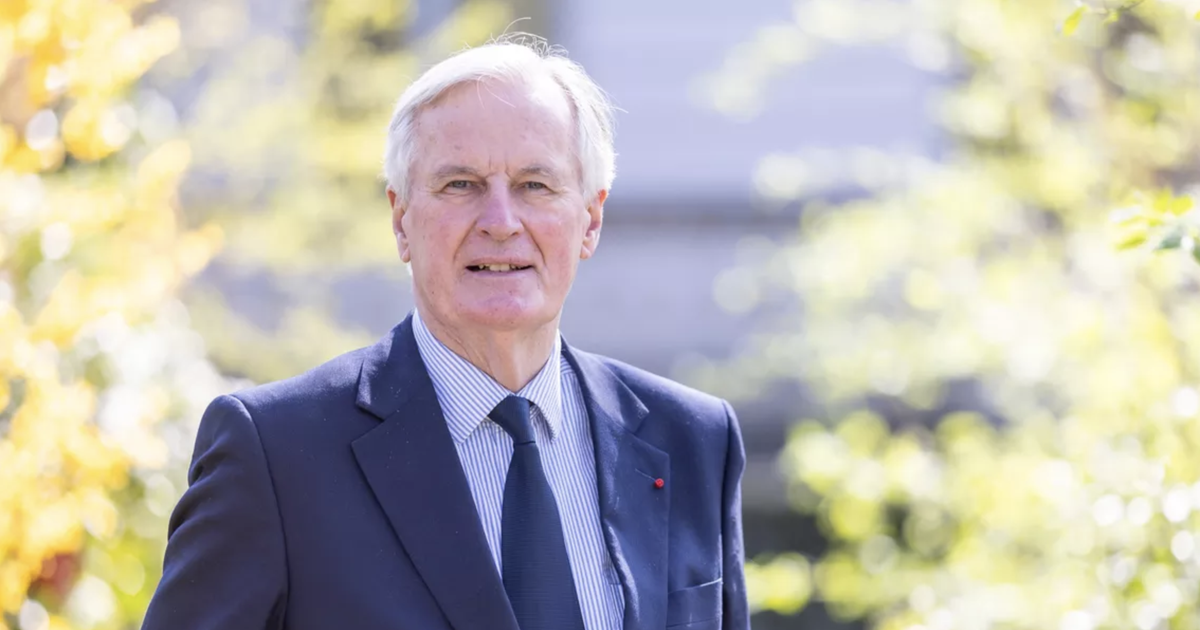
Ten years after the 2016 referendum, Michel Barnier – the French politician who steered the EU’s Brexit negotiations for more than four years – warned that the United Kingdom’s departure is still a “lose‑lose divorce” whose repercussions are unfolding across the continent.
Scale of the disruption
Barnier admitted that, at the start, he did not grasp the sheer magnitude of untangling the UK from the EU. The split required unraveling some 600 agreements covering everything from maritime law to space policy. He added that the British government was initially unclear about whether it intended to leave the single market and customs union, a confusion that later forced Prime Minister Theresa May to announce a complete break‑away – a move Barnier says ran contrary to British national interest.
Economic fallout
The former French prime minister and European commissioner was blunt about the Leave campaign’s promises. The “Singapore‑on‑Thames” vision never materialised; instead the UK slipped into recession and saw unemployment rise. Immigration levels did not fall, but the composition changed – about one million European workers, many in health care, left, while non‑European immigration surged.
He dismissed Nigel Farage’s claim that the EU would cease to exist after Brexit as a lie, and likened the £350 million‑a‑week NHS pledge to Jordan Bardella’s assertion that France could halve its EU budget contribution without economic sacrifice.
Barnier noted that the UK’s national debt has now passed £3 trillion, with interest payments exceeding the defence budget – a point echoed in recent analysis by Morning Wire.
Populism on both sides of the Channel
Despite Brexit’s unpopularity in Britain, Farage’s Reform UK party leads the polls. Barnier distinguished between genuine popular anger over deindustrialisation, uncontrolled immigration and failing public services, and the populist politicians who exploit that anger. He grouped Farage with Marine Le Pen, Jordan Bardella, Jean‑Luc Mélenchon, Matteo Salvini and Geert Wilders as nationalists intent on “blowing up the EU”.
The danger, he warned, is that if such leaders gain power in France or Germany, the European project could collapse. He added that the next French presidential election will effectively be a referendum on Europe.
Strategic realignment
Barnier welcomed recent UK moves toward closer EU cooperation on defence, energy and artificial intelligence. He revealed that at the end of the negotiations he had proposed chapters on foreign policy, defence and intelligence to Boris Johnson, but the prime minister rejected them in favour of a narrower trade focus.
In the current geopolitical climate – marked by Donald Trump’s return, Vladimir Putin’s war in Ukraine and Chinese industrial subsidies – such cooperation is urgent. Barnier floated the idea of a European Security and Defence Council that could include non‑EU members such as the UK, Norway and Ukraine, and suggested joint borrowing for defence and AI investment could involve Britain.
On the prospect of the UK re‑joining the EU, he said the door remains open but not without conditions, and not quickly while the architects of Brexit remain active.
US hostility and European autonomy
He argued that Trump’s hostility toward the EU is accelerating UK‑EU rapprochement, noting “It is the first time in 65 years that the President of the United States has wanted to destroy the EU rather than help it.”
Barnier stressed that European autonomy does not mean abandoning the Atlantic Alliance, but refusing to be subservient to external powers.
Broader challenges
He placed Brexit in a wider context, saying Europe’s recent transformation has been driven more by Russian aggression, Chinese trade practices, migration pressures, Trump’s unpredictability and Covid than by the UK’s exit.
Expressing concern over the fraying Franco‑German relationship, Barnier described it as “increasingly necessary and increasingly insufficient” and warned that restoring trust between Paris and Berlin will be a critical task for France’s next president.
Ten years on, Barnier’s reflections read less as a historical account than as a warning. The economic, social and strategic issues that fuelled Brexit – industrial decline, immigration anxiety and democratic disconnection – remain unresolved on both sides of the Channel, while populist forces continue to command support. Whether London and Brussels can build the defence, technology and economic cooperation he envisaged may determine whether Europe remains a rule‑maker or becomes a rule‑taker in the decades ahead.


