Oren Cass warns Trump risks leaving only rubble after Iran demolition job
The conservative intellectual who helped shape the new Republican economic agenda says the Iran agreement leaves America weaker and doubts Trump can move from tearing down to building up.
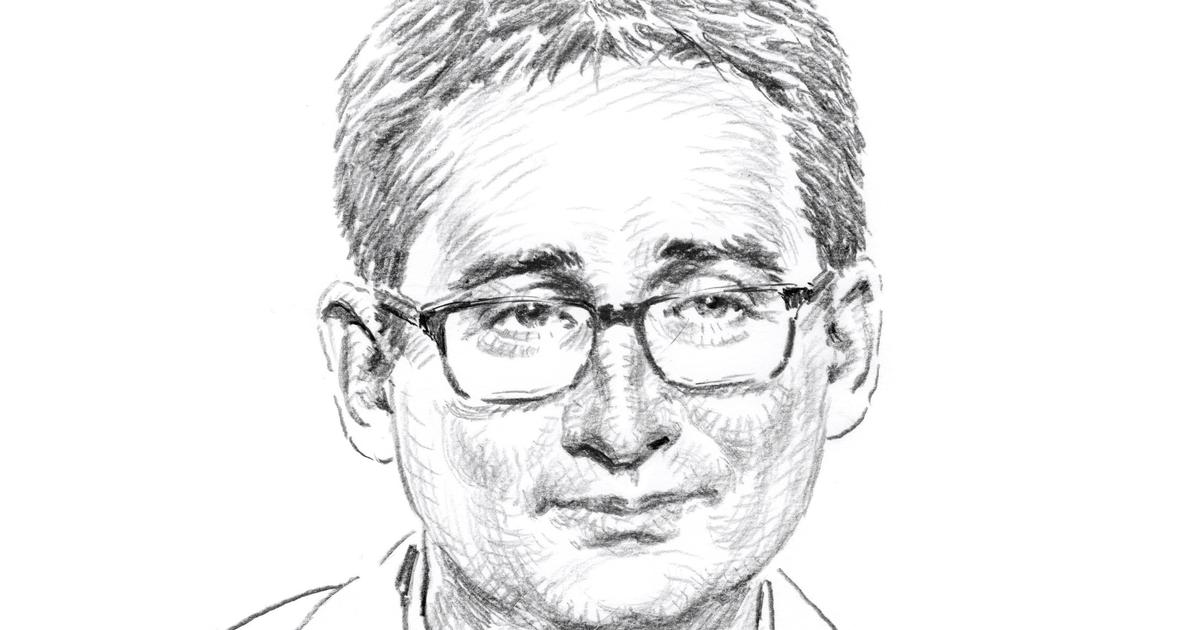
Oren Cass, the founder of American Compass and a key architect of the Republican Party's shift toward economic nationalism, has delivered a blunt assessment of Donald Trump's recent Iran agreement: the United States emerges weaker, the president remains stuck in demolition mode, and the vice president has staked out a remarkable dissent.
In a wide-ranging interview, Cass argued that the terms of the Iran understanding, still opaque in their details, are "no better than the previous situation and are probably worse in some respects." He noted that Trump's decision to escalate militarily was unpopular, but credited the administration for ultimately limiting the damage. "If there is one thing worse than leaders who start senseless wars, it is leaders who are then too stubborn to end them," he said.
America First gains ground, but Trump freelances
Cass said the "America First" doctrine has gained intellectual influence because events have vindicated its scepticism of open-ended commitments. Yet he warned that Trump himself often decides on instinct rather than doctrine. "The president himself makes decisions that are often not ideological at all," Cass said. He pointed to the National Security Strategy's narrower definition of US interests as a benchmark the White House has ignored in practice.
"The question with Trump has always been whether he would be able to move beyond the step of mere demolition to build something better in its place. Unfortunately, that is not what we are seeing."
Vance's unusual dissent
Perhaps the most striking revelation concerned JD Vance. Cass said reports from the vice president's office indicated he opposed the Iran escalation from the start, a public split with a sitting president that Cass called "remarkable" and perhaps without precedent in American history. The White House allowed the divergence to stand.
The risk for Vance, Cass argued, is that he has now been tasked with resolving a crisis he opposed. "Either they will think that he intervened to successfully resolve the matter, thus avoiding an even deeper quagmire, or they will pin the blame on him."
A transitional figure
Despite the criticisms, Cass sees the second Trump administration as a clear advance on the first: better appointments, tougher trade and immigration enforcement, labour-law reforms and a willingness to confront Wall Street. But he insists Trump remains a transitional figure, committed to tax cuts, deal-making with finance, and low-wage immigration, who has "never truly embraced the direction advocated by American Compass."
The Republican Party has undergone a "massive transformation," Cass said. The open question is what comes next and whether the movement can produce a builder to match its demolition crew.


