The ‘Mighty Girl Effect’: How Daughters Are Reshaping Modern Fatherhood
Research from the London School of Economics and a growing body of anecdotal evidence show that men with daughters are becoming more empathetic, politically aware and hands‑on parents.
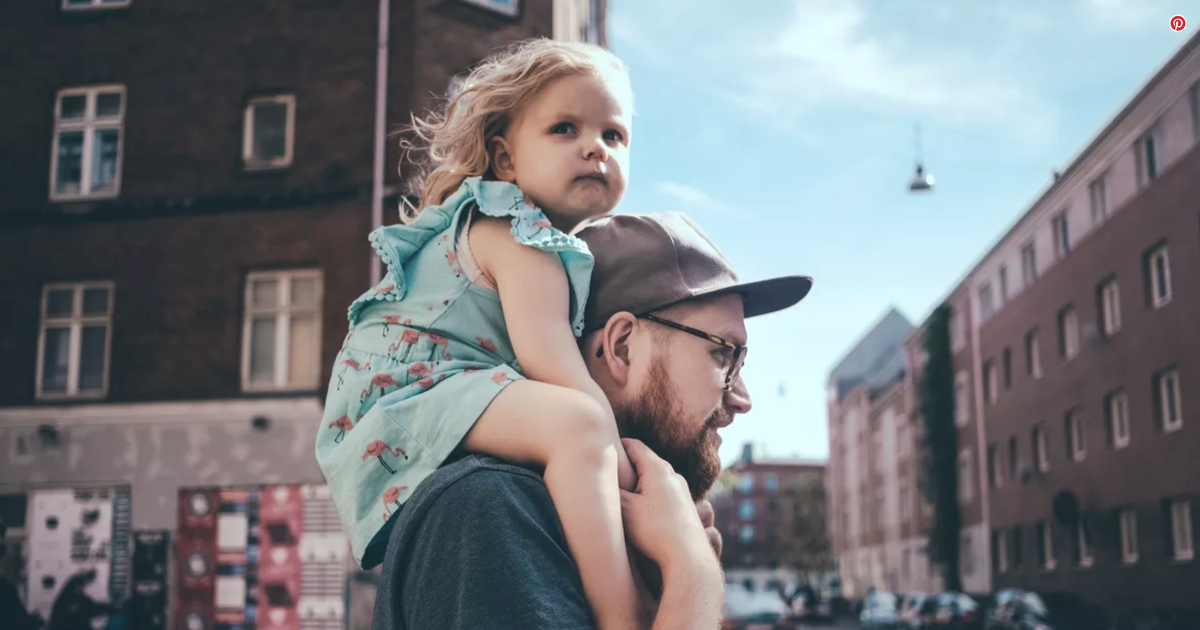
In 2018 the London School of Economics identified a pattern it called the “mighty girl effect”. The term describes the way men who have daughters tend to develop a keener awareness of women’s everyday concerns, a shift that is now evident in both private life and public decision‑making.
From the studio to the runway
Examples from popular culture illustrate the trend. DJ Bob Sinclar, a figure from the 1990s house‑music scene who has found a new audience among Generation Z, regularly shares videos of his mixing sessions alongside his daughter Paloma. At the Chanel Cruise show in Biarritz, rapper A$AP Rocky carried a quilted handbag stitched with tiny pink baby slippers – a clear nod to his youngest daughter – and explained that fatherhood had made him "more vulnerable, more gentle, perhaps more considerate too."
Actor Louis Garrel offers a different perspective. His eldest daughter Oumy, who is of Senegalese origin, has taught him about racism through lived experience, turning ordinary family meals into discussions of identity and justice.
Academic roots and measurable impact
The phenomenon is not merely sentimental. Studies suggest it influences how men vote, hire staff and speak about gender in the public arena. Psychiatrist Alain Braconnier, who published *Les Filles et les Pères* in 2007 after noting the rarity of father‑daughter dynamics in therapy, now points to two major changes. First, daughters increasingly feel entitled to speak, challenging the traditional silence of the paternal figure at the dinner table. Second, fathers are more present from pregnancy through daily care, moving from distant providers to active participants.
Braconnier cites the film *The Beloved*, screened at Cannes, in which Javier Bardem’s character attempts to reconnect with his daughter by casting her. He argues that both generations now acknowledge each other’s separate truths – a dynamic he describes as new.
From institutional role to relational practice
Sociologist Christine Castelain‑Meunier of the CNRS and EHESS was among the first to treat fatherhood as a sociological subject. Interviews across social classes revealed that fathers who voice concerns for their daughters often end up questioning their own notions of masculinity. One Breton father, after hearing his daughter recount being chased on a bicycle and mocked at school, spoke of a new vigilance toward women in general.
Castelain‑Meunier summarises the shift as a move from an institutional fatherhood based on role and status to what she calls “engaged relational fatherhood”. With their daughters, fathers are no longer merely external symbols; they are learning to build genuine relationships and become involved.
Personal testimonies
Fathers interviewed for this piece describe the learning curve in concrete terms. Laurent, a photographer, says his 15‑year‑old daughter Rita has taught him to listen with curiosity and to recognise the subtle incivility women face daily. Quentin, 53, says a daughter whose sensitivity exceeded his own helped him master emotional regulation, distinguishing between mere presence and genuine confiding as she entered adolescence.
Even routine tasks have become educational. Workshops that teach fathers to braid hair and tie ponytails, originally popular in the United States and United Kingdom, have spread to French parenting circles.
Broadening family models
Psychologist Kevin Hiridjee maps three historical phases of fatherhood. The 1970s saw “new fathers” motivated by feminism and the contraceptive pill. The 1980s introduced a child‑centred family model. From the 1990s onward, the template expanded to include single‑parent households, surrogacy and same‑sex parenting.
Gengoroh Tagame’s manga *My Brother’s Husband* depicts a young girl raised by a single father in Japan, where same‑sex marriage remains illegal, bridging the gap between her father and her late uncle’s husband.
Mathias, who raises two‑year‑old Renée with his partner in a same‑sex family, explains that weekends revolve around the child. They chose the name Renée for its “edge” over Rose and already discuss how to handle future conversations about menstruation. Parenting, he notes, now involves a wide network of grandparents, stepparents, babysitters and friends.
Fathers’ groups have emerged to share practical tips – from hair‑braiding tutorials to setting emotional boundaries – underscoring that the “daughter effect” is an ongoing negotiation rather than a fixed outcome. Each generation of fathers rewrites the script in real time, learning from the daughters who hold them accountable.


