The Forgotten Flight of Nine Resistance Women Revealed in New Book
Gwen Strauss’s 2017 work uncovers how seven French and two Dutch agents escaped Ravensbrück in April 1945, and why their story was silenced for decades.
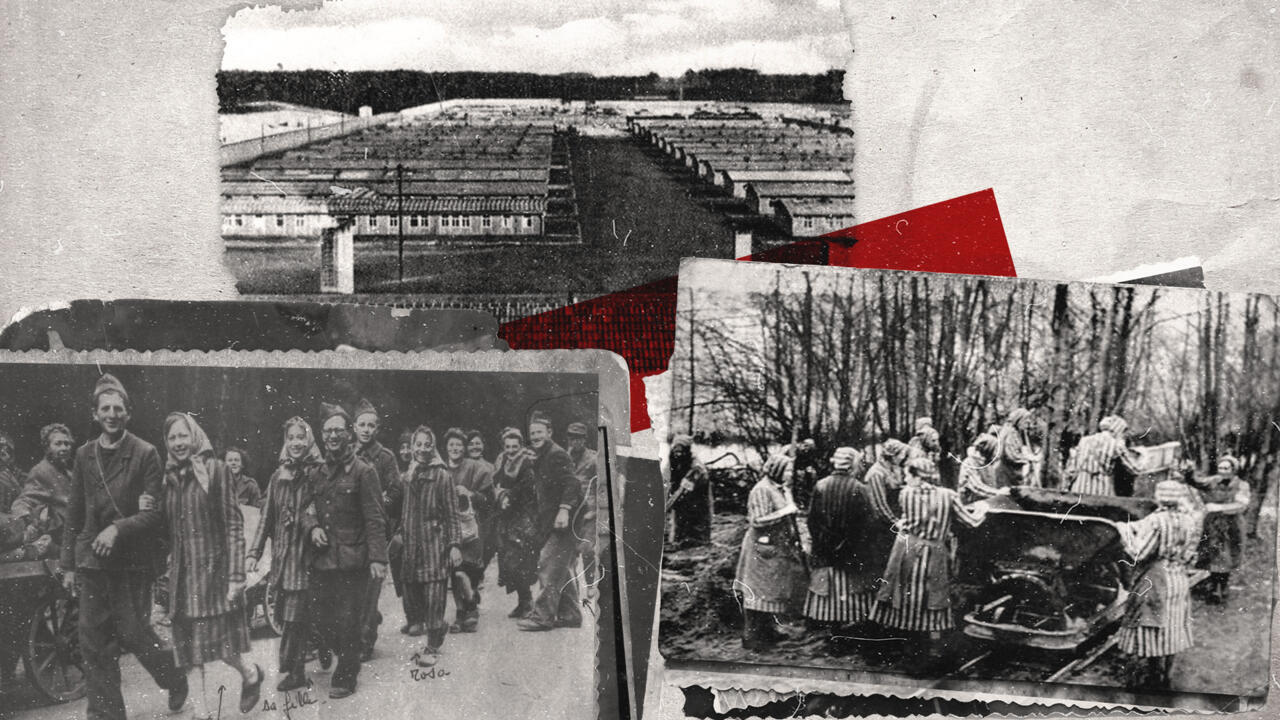
When Gwen Strauss first heard her great‑aunt Hélène Podliasky mention, almost in passing, that she had survived a Nazi death march, she did not know it would launch a ten‑year investigation. The result is the 2017 book The Nine: How a Band of Daring Resistance Women Escaped from Nazi Germany, which brings to light the extraordinary escape of nine female Resistance fighters from the women’s concentration camp at Ravensbrück.
From the camp to the American lines
Seven French and two Dutch women were arrested in occupied France and deported to Ravensbrück, the camp where the Ravensbrück Memorial estimates that 28,000 of the 120,000 women who passed through did not survive. In mid‑April 1945, as the Allies closed in, the SS began emptying the camp on death marches. Near Oschatz, the nine women seized a moment when the guards looked away, slipped into a ditch and pretended to be dead among the corpses lining the road. "The ones who didn't run away ended up being executed in a field two or three days later," Strauss says. "That would have been their fate too."
From that point they embarked on a ten‑day trek across a collapsing Germany. Hélène, then 24 and operating under the nom de guerre Christine, used her fluency in German to obtain a hand‑drawn map on official‑letterhead at a police station, which the group turned into a makeshift laissez‑passer. They moved from village to village, hid in barns, begged for food and even crossed a swollen river to breach the front line. On 21 April 1945 they reached Colditz, where American troops were waiting.
Why the story stayed hidden
After liberation, Paris had been free since August 1944, yet the returning women were met not with celebration but with suspicion. Strauss explains that a prevailing belief held that any young woman who had survived the Resistance and a deportation must have prostituted herself to stay alive. Marriages were broken, families turned away, and Joséphine Bordanava (Josée) never told her own children about her camp experience.
The silence was reinforced by the post‑war rush to look forward. It was only after the 2017 white‑supremacist riots in Charlottesville that Strauss felt the urgency of recording such resistance stories. An archivist in Leipzig later located Hélène’s name on Nazi labour‑camp lists – “a gut punch”, Strauss recalls – and a chance find in a Paris bookshop of Neuf filles qui ne voulaient pas mourir, a 1946 memoir by Suzanne Maudet (known as Zaza), provided a rare contemporary account, albeit written in a light tone that masked the horror.
The bond that kept them alive
Zaza’s memoir emphasised the friendship that sustained the group: sharing scraps, caring for the sick and singing to calm fear. Strauss notes, "The women really did help each other out again and again," adding that this mutual support was crucial to their survival.
Hélène Podliasky died in 2012, the last of the nine. Strauss’s book ensures that their daring escape and the society that failed to listen are finally recorded for posterity.
First reported by the original source report.


