Free trade is the future for post-Brexit Britain

As Britain joins CPTPP, we are finally realising the benefits of an independent trade policy made possible by Brexit, says Fred de Frossard
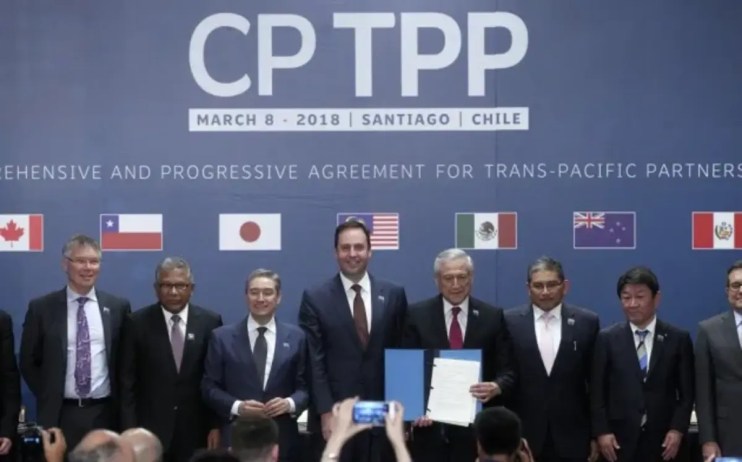
This weekend, the United Kingdom’s membership of the Comprehensive and Progressive Agreement for Trans-Pacific Partnership (CPTPP) is finally activated. The UK will be the twelfth member to join, taking the trade area’s economic value to some £12 trillion, one of the largest free trade agreements in the world.
This has been many years in the making. First advocated by Legatum Institute in Shanker Singham’s 2017 paper, A Blueprint for UK Trade Policy, the idea was greeted with derision at the time. Joining a Pacific-rim nation deal was certainly a novel idea considering Britain’s Atlantic location. If the idea began at a think tank, in office Boris Johnson, Liz Truss, and Kemi Badenoch made this a reality.
Having left the EU and developed an independent trade policy for the first time in decades, CPTPP membership suits the UK’s needs – not to mention its political traditions – far better than the strictures of EU membership.
Since the 1990s, the EU has pursued a policy of regulatory harmonisation, with laws made centrally in Brussels and applied to all member states. To this day, this fundamentally fails to respect national sovereignty, and ultimately the different characteristics of European nations. Handing over law-making ability in this way was one of the central frustrations of the British experience in the EU, especially after the Maastricht Treaty of 1992. That was the moment when the British vision, of a Europe of nations, using high-trust mutual recognition of each other’s standards to trade freely with one another, died, and was replaced with the competition-destroying structure of regulatory harmonisation.
The CPTPP returns Britain to that tradition of mutual recognition that it began, and appeals more naturally to British interests
The CPTPP returns Britain to that tradition of mutual recognition that it began, and appeals more naturally to British interests. By allowing the mutual recognition of regulations and standards without harmonising them, and encouraging mutual market access by the reduction in tariffs and liberalisation of “rules of origin”, the CPTPP is likely to encourage greater foreign investment in the UK, and make it easier for British businesses to invest and build supply chains in other member states.
This dovetails nicely with the existing AUKUS submarine agreement between the UK, Australia and the United States, as well as our trade deals with Canada, Japan, Australia and New Zealand. It will cement Britain’s new position in global trade: the only country in the world to boast such well-developed trading and security ties with Europe, the Pacific and North America all at once.
Realigning with the EU is no path to prosperity
Despite only being possible because of Brexit, it is welcome that the new Labour government is continuing with the UK’s accession of CPTPP. Trade Secretary Jonathan Reynolds is set to continue with Britain’s independent trade policy, and British businesses and consumers will be able to make full use of the opportunities it provides.
However, the government’s other priorities may get in the way. The Prime Minister is intent on “re-setting” relations with the European Union to increase trade with the EU. So far, the government has floated agreeing to EU veterinary rules and is legislating to make it easier to align with EU product standards. It has also announced that it will make it easier for children from EU countries to come to the UK on visits without a passport, reversing the last government’s rule that – since Brexit – nobody can enter the country without one.
Something has shifted, however: few people now seriously think that the EU is a model of stability or growth. Leading countries like France, Germany, and the Netherlands are in the midst of extended political crises, and this autumn, the EU’s own leadership effectively called the bloc’s own regulatory policy a failure. Choosing to realign is surely no path to prosperity, especially if it would come at the expense of increasing trade and investment with partners in the CPTPP.
The solution seems clear. Leave the trade agreement with the EU as it is and go out into the world. Trade with the Pacific bloc today, then build a trade agreement with our friends in the United States. The British people have great opportunities before them thanks to Brexit. Let us hope the government seizes them on our behalf.
Fred de Fossard is director of strategy at the Legatum Institute