Freelance creatives could fall through cracks of Rishi budget

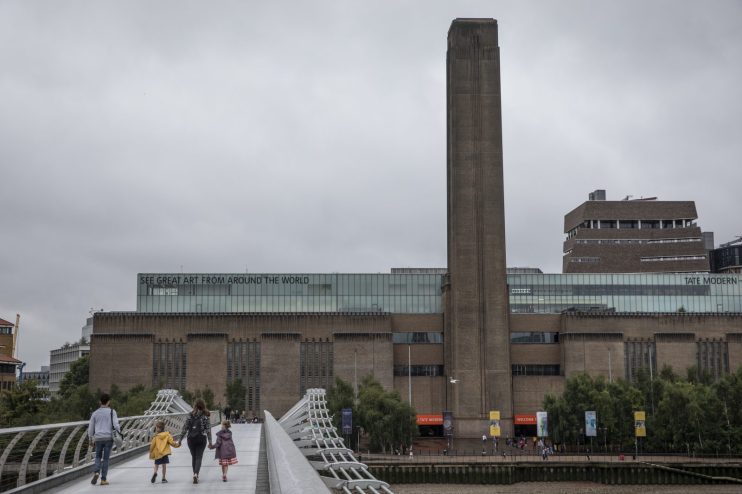
This week Rishi Sunak announced his investment-led recovery budget, pledging an additional £408m stimulus package for the culture sector. This is fantastic news for a creative sector particularly vulnerable to the impact of the COVID pandemic.
The government has divided this relief package into three parts: £300m for the Cultural Recovery Fund (supporting cultural organisations like theatres and music venues), £90m to museums (with larger amounts going to big names like the Tate, who, as an example, are receiving £9m), and £18.8m to cultural community projects as part of regional re-development programmes. It is great news, of course, that government funding is continuing to target these badly hit institutions and employers.
For the wider sector, however, initiatives supporting individual creatives and freelancers have not been considered, despite this group forming a large part of the industry’s workforce. There has been an extension of the UK-wide Self Employment Income Support scheme, but, as this is not industry-specific, we foresee many creatives falling through the gap. A more imaginative and broader Cultural Recovery Fund, covering smaller freelance creative projects would have been better than relief just for institutions.
The creative sector has a GVA of £116bn to the UK economy, but has always been more susceptible to financial strain than other industries. One cause of this is the perception of culture’s value. This problem is led from the top. Take for example, the government campaign from late 2020, which advocated a young person, Fatima, moving out of creative and into the tech industry. Widespread criticism of the ad rightly followed, highlighting, among pressing issues like lacklustre diverse representation in the arts, the myriad creatives who would have been employed to create the advertisement. The UK is celebrated globally as a creative hub, and yet successive governments consistently undervalue its role – both economically and culturally.
What’s the solution? The arts industry needs both large and small scale project commissions, and sustainable, regular income, rather than handouts, or the expectation of free work in exchange for exposure. As a link between artists and businesses, ARTIQ has advocated for investment in the arts through community initiatives, collaborations, and corporate sponsorship, and in light of COVID, a New Deal style project-creation scheme through government-led funding. Studies in the past few years have shown the positive return on investment for society, starting small at prescribing art classes to individuals (rather than medication), through to larger cultural projects that advocate outreach and education, as well as improved community wellness, and wider engagement from low-income backgrounds.
Freelance creatives should be viewed as mini-businesses – entrepreneurs with their own credible businesses within a broad network of other creative enterprises. They make up a much larger tranche of the creative workforce when compared to other industries. However, nine out of ten creatives have worked for free at some point; in response to the budget, a solution proffered by the industry is Research and Development tax relief (which thankfully, is now being considered), similar to long-standing initiatives in countries like Ireland, which essentially incentivises self-employed creatives to create, in turn benefiting communities.
The additional advantage of this is attracting to the sector workers from regional, diverse, and low-income backgrounds, a problem especially prevalent in the creative industries (remember Fatima?).
It has never been more difficult for individuals from diverse and low-income backgrounds to start a career in the arts, and this is sadly set to continue thanks to this budget and the attendant rhetoric of government.
I truly hope the government, in the tax review, includes provision for investment in creativity, as this would put one of our most valuable sectors on level with STEM, as well as setting an important precedent for the future, enabling the long-term viability of creativity.