From Oasis to Pulp, Britpop is back, baby! But why?

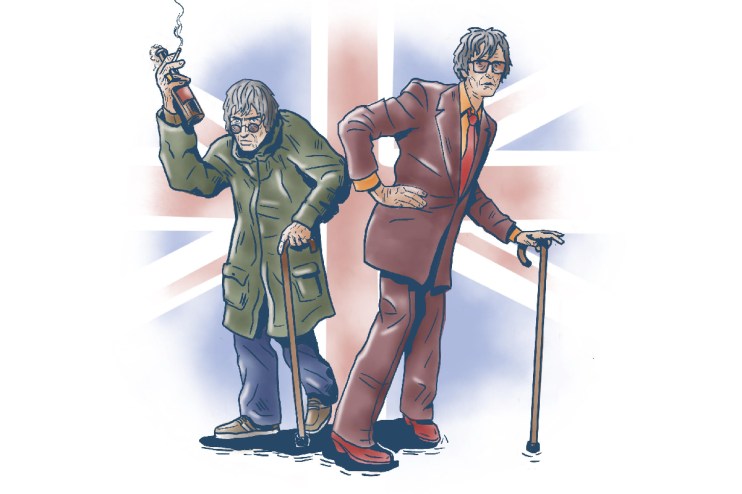
Tonight, we’re gonna party like it’s 1995. Oasis have smashed box office records. Pulp have a new album out. Suede just announced one, too. Supergrass, Sleeper, Cast, Ocean Colour Scene – even Kula Shaker – are all on the road again. Britpop is back – the question is: why? Britpop’s blend of swagger, cynicism and communal euphoria suddenly feels relevant again. To understand the reasons behind this unlikely resurgence, we need to understand what Britpop was and – more importantly – what it wasn’t.
Britpop was never a genre. Listen to Blur’s Beetlebum, Elastica’s Vaseline, Pulp’s Babies and Oasis’ Roll With It and tell me they belong in the same scene. It wasn’t a sound, it was a moment. And like all cultural moments, it was shaped by its time.
From the cold war to the war on terror
That time was roughly 1993 (the first Suede album) to 1998 (Pulp’s This Is Hardcore), after the fall of the Berlin Wall but before 9/11. The Cold War was over. The War on Terror hadn’t begun. The British economy was climbing out of recession. For the first time in decades, the future didn’t seem terrifying or stale. And into that strange, optimistic time came a wave of bands who were loud, local, funny, stylish, all with ideas way above their station and utterly convinced they belonged on Top of the Pops. “Brothers, sisters can’t you see”, sang Jarvis Cocker in 1995, “the future’s owned by you and me.”
For those of us coming of age in the mid 90s (I turned 15 in 1996), it felt like we were the chosen generation, the ones with a culture worth taking pride in. For a brief, ridiculous moment, it felt like Britain mattered. Music magazines were full of us. The headlines were about Blur vs Oasis. Tony Blair was at the Brit Awards. Noel was at Downing Street. Damon Albarn was on the cover of Smash Hits and The Face and The Guardian. Jarvis mooned Michael Jackson and was a national hero by breakfast.
It was a cultural high nailed very specifically to a time and place. Britpop couldn’t have happened in the bedsit gloom of the 80s, when unemployment, mass strikes and the threat of nuclear war hung over everything. And it couldn’t have survived past the millennium, when Blairism curdled, pop splintered, and the future darkened again. The party ended, the hangover began, and we all had to get proper jobs.
But now, 30 years on, it’s back, back, back. And it’s not because things are the same. It’s because they’re completely different. Today’s Britain is fractured, politically adrift, economically battered. The Union Jack is more likely to signal division than shared identity. Optimism is rationed. And yet here come the parka jackets and bootcut jeans, the 30th anniversary box sets, the club nights and the Oasis tickets.
Britpop back – alongside vinyl
Because what Britpop offered was a feeling of belonging. You knew the lyrics. You sang them at closing time. It was a shared, unselfconscious joy. That’s rare now. We don’t really do “communal” in 2025. Our culture is sliced into hyper-personalised algorithmic niches. Even our outrage is individualised.
And now we’re reissuing Britpop, literally and metaphorically, on coloured vinyl, looking to the past to remember when the present was defined by hope and optimism and confidence, all of which are in short supply amid the culture wars, climate crisis and belt tightening of the 2020s. It wasn’t perfect – God knows, it was overwhelmingly white, male, laddish, derivative and often deeply silly – but it believed in itself, and so did we. It had a kind of national swagger that never felt nationalistic. The producer Jackknife Lee, another 90s indie survivor, recently said Britpop was the ‘Make America Great Again’ of its day. That’s unfair, and not just because no-one in 90s Camden would be seen dead in a red baseball cap. It was a time where we managed to find a version of national pride that was scrappy and playful. British identity in 2025 seems to be either Brexit-era bombast or collective cringe. No wonder we look back (in anger).
Britpop was a moment. That’s why it mattered. That’s why it didn’t last. And that’s why it’s back.
• The Britpop Hour with Marc Burrows will be performed throughout August 2025 at the Edinburgh Fringe and then on tour in 2026; go to his website here