From strikes to Avanti West Coast: Here the top five things to look out for in rail next year

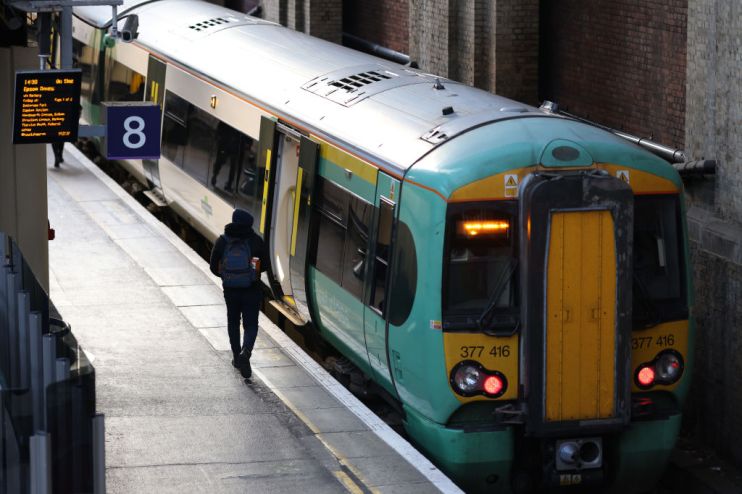
Railway has taken centre stage in the UK public discourse as the tug of war between unions and train operators over the past six months has led to unthinkable misery to millions of people and businesses.
Rail minister Huw Merriman said last month the walkouts had cost the UK economy £500m, while hospitality and retail businesses warned they could haemorrhage between £1.5bn and £2bn.
Even though the industrial dispute and its ramifications will continue to dominate the headlines over the next 12 months, other issues will also rise to prominence.
Here are the top five things to look out for in rail next year.
Strikes
Members of the RMT, TSSA and Aslef unions have already announced they will continue with their walkouts in 2023, laying down tools throughout the first week of January.
Union bosses have been accusing ministers of impeding the talks by blocking employers from striking a deal.
The claims have been rejected by the Department for Transport, which has always positioned itself as a “facilitator” not a negotiator.
The strikes are also likely to continue after Prime Minister Rishi Sunak – who recently said he deeply regretted the disruption caused by the walkouts – refused to budge on pay demands from the public sector.
Unless both workers and train companies go back to the negotiating table and reach a deal, the rail dispute will be dragged throughout next year.
Minimum service levels
The government’s bill on guaranteeing minimum service levels during strike days will take centre stage next year as ministers have paused its first reading to broaden the legislation’s scope.
A Downing Street spokesperson confirmed in mid-December that the PM was working on introducing “new tough laws to protect people from” increasing strike action.
No10 said it hadn’t set out “the scope of what we would be bringing forward” but would do it “as soon as possible.”
According to multiple reports, Sunak didn’t rule out extending minimum service levels past transport to include other sectors, such as ambulance services.
The future of Avanti West Coast
Avanti West will be increasingly scrutinised over how it runs its services as calls to revoke the government’s six month contract extension mount.
The troubled rail operator came under fire this summer after it was forced to slash services following a drop in the number of drivers willing to work on rest days.
Avanti has since then returned to normal services, introducing in mid-December a new timetable that doesn’t rely on staff working overtime.
According to Richard Scott, director of corporate affairs at parent company West Coast Partnership, the new timetable will lead to improved services.
Nevertheless, Prime Minister Rishi Sunak continues to be under pressure to axe the contract if Avanti doesn’t get its act together soon.
HS2
HS2 will remain at the centre of public discourse as it is Europe’s largest infrastructure project.
Nevertheless, the high-speed railway hasn’t always made the headlines for the right reasons.
According to documents seen by the Financial Times in October, the London-Birmingham section will exceed its £40.3bn target as a result of inflationary pressures.
This will in turn bring HS2’s total cost to over £100bn – up from the £33bn that were initially estimated.
Great British Railways
Discussions over Great British Railways will continue throughout the next year as the public body’s future hangs in the balance.
Announced as part of the Williams-Shapps plan for rail, Great British Railways was supposed to start operating from early 2024, taking over Network Rail’s role and issuing contracts to run trains.
Its existence was initially thrown into question in mid-October, when former transport secretary Anne-Marie Trevelyan announced the creation of Great British Railways would be postponed to the next parliamentary session after the energy crisis took over the agenda of Liz Truss’s government.
The public body was dealt a further blow earlier this month when transport secretary Mark Harper said he would take some time “to listen to alternative views.”