Fuel prices knock UK inflation rate down to 1.5 per cent in March

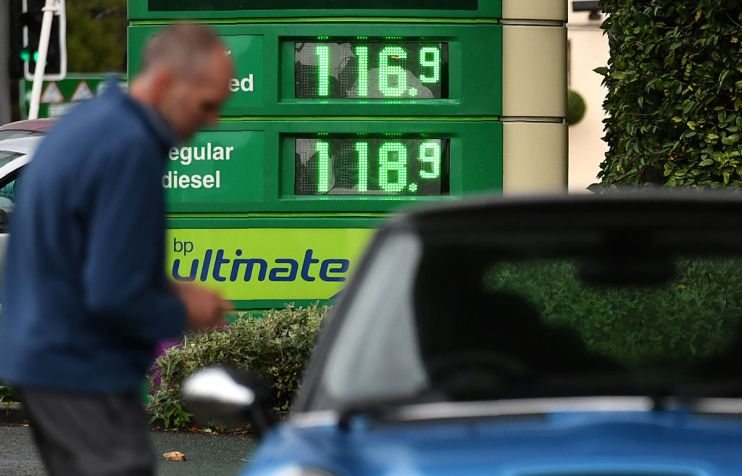
The UK inflation rate fell 0.2 per cent in March to 1.5 per cent, as coronavirus restrictions hit fuel prices.
A drop in the price of fuel and clothing resulted in the largest downward contribution to the change in the UK inflation rate between February and March.
The rate marks eight consecutive months below the Bank of England’s (BoE) two per cent target.
Figures from the Office for National Statistics (ONS) show the largest contribution to the rate – 0.51 percentage points – came from housing, water, electricity, gas and other fuels.
Falling fuel prices slow inflation
Softer petrol prices were the driving factor in pushing down the inflation rate. Prices fell by 5.1 pence per litre between February and March, the largest monthly fall since December 2018.
Prices for motor fuels tend to move broadly in line with global prices for crude oil. However the effect is generally muted as consumer prices also include other costs such as transport, duty and retail costs.
Global oil prices have collapsed in response to reduced global demand during the pandemic. This week the May West Texas Intermediate future contracts went negative for the first time in history.
Brent oil fell to a near 21-year low of $15.93 per barrel yesterday. It had been as high as $65 per barrel in late-January.
The downward effect from fuel was partially offset by an upward contribution from air fares. Prices rose 5.3 per cent in March, compared with a fall of 5.7 per cent a year ago.
Cheaper clothes driving UK inflation
Clothing prices dropped as shops offered steep discounts as footfall dropped before social distancing measures were introduced in March. The prices of clothes and shoes fell 1.2 per cent in the year to March.
Prices usually rise between February and March, and this year’s fall is the first since 2015 and only the second since the start of the constructed consumer prices index series in 1988.
However, the prices were collected around 17 March ahead of the formal government lockdown. As such consumer behaviours and retailers’ reactions may have changed due to social distancing measures.
The ONS said there will likely have been a shift in spending patterns towards other necessities such as food and cleaning products.
Rachel Winter, associate investment director at Killik & Co, said: “It’s likely that the new ‘super products’ – food, cleaning and health products and even pet care – will remain in high demand for the next few months at the very least, and concerns have already been raised about price hikes in these categories.”
UK inflation could fall further
Silvana Tenreyro, a member of the BoE’s monetary policy committee (MPC), has warned inflation could fall below one per cent.
Howard Archer, chief economic advisor at EY Item Club, predicts it could fall as low as 0.5 per cent over the summer. “Sharply lower oil prices will bring inflation down, along with substantially weakened economic activity in the near term at least,” he said.
Social distancing measures to curb the spread of infection will likely affect the prices of restaurants and hotels. PwC senior economist Jing Teow said a prolonged shutdown in production activity “could lead to further inflationary pressures as the shortage of inputs and key components start to bite.”
“More stimulus needed”
The consumer price index is below the bank’s two per cent target for inflation. Inflation is one of the main factors the BoE’s MPC considers when setting the base rate.
Melissa Davies, chief economist at Redburn, said the next year will be volatile for the inflation rate, “with negative numbers a possibility followed by a sharp reversal.” She added: “More stimulus is needed, with only limited QE help from the BoE and the Treasury’s lending guarantee scheme falling short.”
If the economic recovery looks set to be U-shaped rather than a V, Investec analysts think low inflation could give the Monetary Policy Committee a degree of cover to continue quantitative easing for an extended period. They may even step up the pace of asset purchases.
Get the news as it happens by following Morning Wire on Twitter.