
Equality and eye health: Is the gender gap closing?

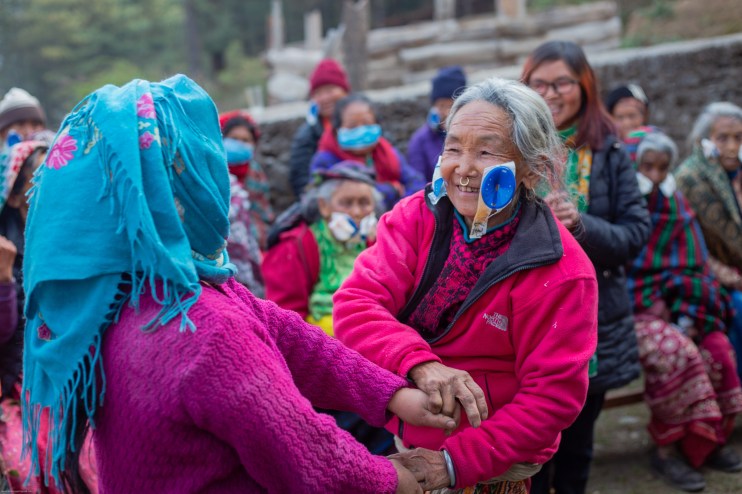
Historically, females have experienced their fair share of inequality. Campaigning, research and awareness have meant times are changing, but when it comes to eye health, a male in rural South Asia is 46% more likely to receive cataract surgery than a female.
Women make up a staggering 64.5% of the world’s visually impaired and according to the Royal National Institute of Blind People, one in four women are at risk of sight loss compared with just one in eight men. From a lack of education to an inability to travel to hospitals, female eye health across low and middle-income countries is suffering.
The Lancet Global Health 2020 publication estimated that around 596 million people were receiving some form of visual aid, the most common being glasses or contact lenses. On top of that, another 510 million people are suspected of suffering from untreated vision impairments, with ninety per cent of those living in low and middle-income countries.
Of the untreated vision impairments around the globe, cataracts make up 40% of blindness, followed closely by refractive errors and glaucoma. Damage done by glaucoma can be supported but it cannot be reversed, unlike refractive errors and cataracts which, with the right treatment, can be. With medical developments in recent decades, there are methods that can fix cataracts in minutes at a very affordable cost. So, it bodes the question – why are there still so many people around the world suffering from this curable disease?
Cataracts are the clouding of the lens in the eye and they can result in a total loss of vision if left untreated. It’s most commonly found in older people with roughly 30% of those over 65 years old in England reportedly having a visually impairing cataract in one or both eyes. According to NHS data, around 330,000 people have cataract surgery per year.
Unfortunately, not all people have access to healthcare like the NHS and in low-income countries, there is a melting pot of contributing factors that equate to the gender gap in cataract surgeries. In low-income countries in South Asia such as Nepal, access to healthcare and education is lacking for many of the rural population. Those suffering from cataracts often don’t know what it is exactly that’s causing their loss of sight, or simply believe it’s normal to lose their sight at a certain age.
The Journal of Ophthalmology review suggests the social, economic and cultural differences between the two are also contributing factors to the disparity between men and women. Many women, particularly those in rural areas, have less disposable income is necessary to cover the costs of living expenses whilst recovering from surgery. If women do have the financial means to pay for the surgery, the chances are low that they themselves are in control of them. This lack of financial freedom is related to the problem of transport issues women face. Women in rural South Asia are generally less likely to travel outside of their village for healthcare services as they either have no access to a car or have responsibilities that keep them tied to the village. Guardians of patients are also typically going to lose work whilst travelling with and caring for women recovering from surgery which adds more of a burden on the sufferer.
Cultural traditions that inform gender roles also play a part in the number of women receiving medical treatment for their cataracts. Illiteracy rates are higher amongst girls and women in South Asian countries as traditionally their work tends to focus around the home, whereas men go out to work in towns or cities. Research in South India supports this as it shows literacy levels of visually impaired individuals and their families are a predictor of receiving cataract surgery.
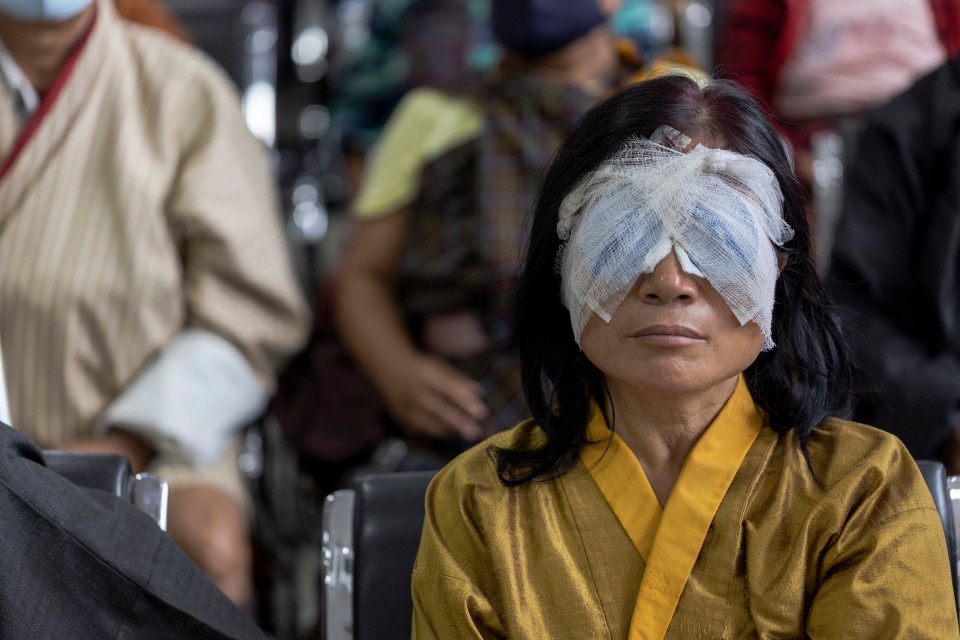
In India, cataract surgical coverage (CSC) is 27% lower amongst women than men, with men having approximately 1.46 higher odds of receiving treatment compared to their women counterparts. Factoring longer female life expectancy rates, women are more likely to develop cataracts as they age, leading to growing numbers of women suffering from the disease
As women have a higher chance of developing cataracts experts are suggesting that more emphasis should be placed on female patients in low-income countries in order to produce equal CSC. In high-income countries such as Sweden and France, where the gender equality gaps are far smaller than in low-income countries, female cataract surgeries account for 59%-66% of all cataract surgeries from 1992 to 2012. Suggestions have been made by officials from universities in China, Australia and the WHO that may help in reducing the gender gap in cataract surgery in low-income countries. Recommendations include:
- reducing the cost of surgery
- increasing flexibility of time patients need to attend appointments
- reducing the need for family accompaniment
- providing transport
- and holding educational outreach programmes.
Even though the playing field is more level in high-income countries, globally, women are still more likely to develop cataracts and less likely to receive surgery to treat them. This exacerbates pre-existing issues and perpetuates a cycle of poverty. By improving eye health, there is a mass of benefits to be had. These include:
- improved quality of life
- reduced mortality rates
- increased productivity and the narrowing of the gender equality gap.
With better eye health around the globe, society is closer to achieving the UN’s Sustainable Development Goals (SGDs). The SDGs aim to build a healthy and prosperous population and the environment by 2030 and by contributing toward a healthy vision around the globe, many of their targets will be met.
The Tej Kohli & Ruit Foundation is a restricted fund operating under the auspices of Prism The Gift Fund, registered UK charity number 1099682.