German finance minister pledges €10 bn tax relief, taxpayers' group warns reform misses cold progression
Finance Minister Christian Klingbeil announced a €10 bn tax‑relief plan, but the Taxpayers' Association criticised the reform for not offsetting the cold progression and warned the tax office is becoming an inflation winner.
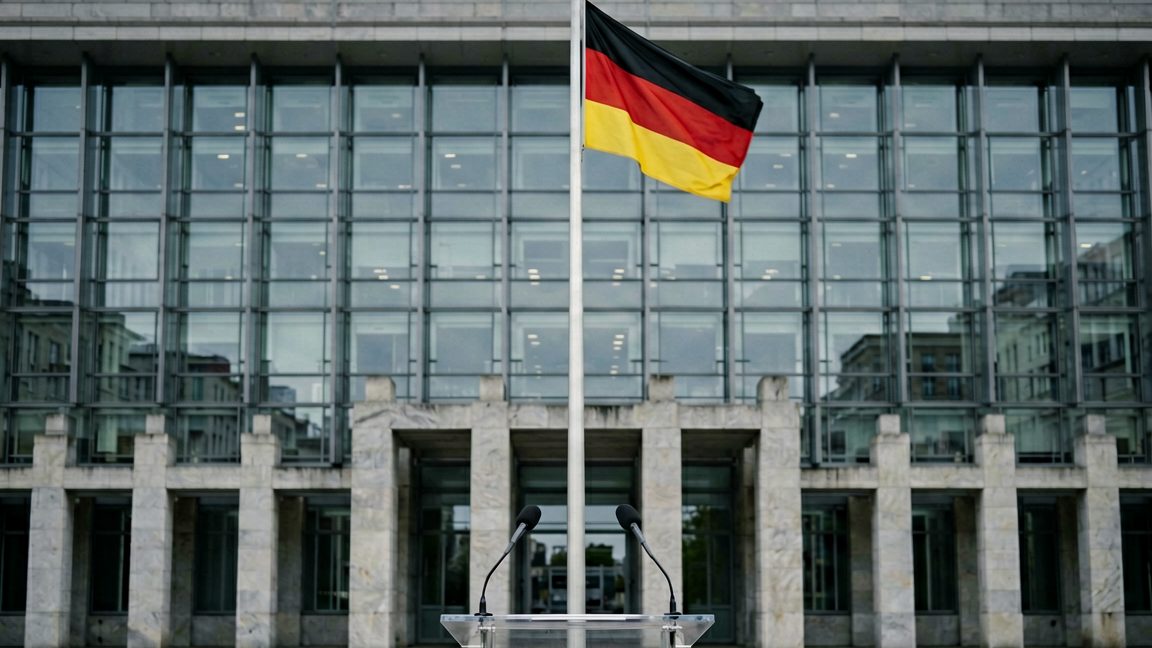
German Finance Minister Christian Klingbeil pledges €10 billion in tax relief as part of the government’s latest fiscal package.
Pledge details
Klingbeil told reporters that the relief will be delivered through a mix of lower income‑tax rates and expanded allowances, aiming to ease household budgets hit by rising prices. The announcement was recorded in a Frankfurter Allgemeine Zeitung (FAZ) Wirtschaft live‑ticker on 21 August 2026.
Taxpayers' Association reaction
The Steuerzahlerbund criticised the reform, saying it does not even offset the “kalte Progression” – the bracket‑creep that erodes real net income when inflation pushes taxpayers into higher tax bands. In a statement quoted by FAZ, the association warned: “Der Fiskus wird zum Inflationsgewinner.”
Implications
The €10 bn figure is modest compared with earlier fiscal easing measures, reflecting the government’s need to keep the deficit within the EU’s 3 % ceiling while still addressing cost‑of‑living pressures. The criticism from the Taxpayers' Association could force the coalition to fine‑tune the proposal before it is debated in the Bundestag next week.
The proposal will now be examined by the Finance Committee, where members are expected to question whether the relief adequately compensates for the cold progression effect.


