Western German cities top Europe for transport noise exposure, study finds
Analysis of 2022 EU data shows Essen fifth in Europe with an average of 63.5 decibels, while four of the continent’s ten noisiest cities lie in North Rhine‑Westphalia.
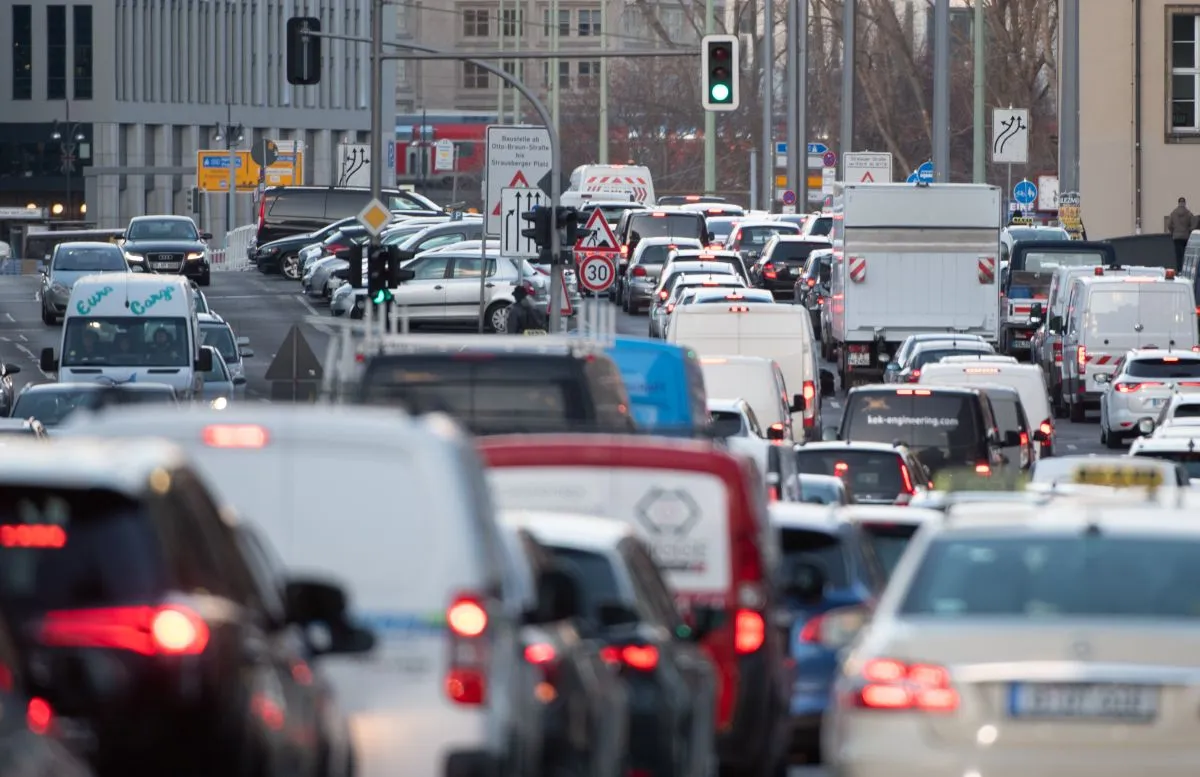
New figures reveal that residents of several western German cities endure the continent’s highest levels of transport‑related noise. Using 2022 data supplied by the European Environment Agency, the analysis – carried out by Decibel Shield founder Alan Dabul – places Essen at fifth place in Europe, with a population‑weighted average exposure of 63.5 decibels.
Where the worst noise clusters
Four of the ten noisiest European cities are located in the German state of North Rhine‑Westphalia: Essen, Solingen, Aachen and Remscheid. Bonn also appears among Germany’s top ten. The ranking is based on the Lden metric, which weights the average by the number of people actually exposed, rather than a simple city‑wide mean. This approach highlights the burden on those living close to busy roads, railways and flight routes.
Why the Ruhr region stands out
The concentration of noisy locations reflects the structural reality of the Ruhr conurbation. North Rhine‑Westphalia is the most densely populated German state and is criss‑crossed by motorways. Road traffic accounts for the overwhelming share of noise exposure, making the problem inherent to the region’s geography and infrastructure.
Maps for Essen show clear noise corridors following major arterial roads, a pattern that repeats across the polycentric Ruhr area where highways cut through residential districts.
Health implications
A 2023 study commissioned by the German Environment Agency linked a 10‑decibel increase in road, rail and aircraft noise to higher risks of depression – up to four, five and eleven percent respectively – and also identified a greater likelihood of cardiovascular disease with long‑term exposure. These findings underscore that chronic noise is a public‑health issue, not merely an annoyance.
How German cities compare
Although the top German cities differ by only half a decibel, the clustering matters more than the marginal gaps. Larger metropolises such as Munich, Düsseldorf and Berlin rank lower on the exposure‑weighted scale – 22nd, 28th and 36th in Europe – because their larger populations dilute the average, even though the absolute number of people affected remains high.
Looking ahead
The data originate from the EU Environmental Noise Directive, which requires member states to produce strategic noise maps and action plans every five years. The forthcoming reporting cycle will indicate whether measures such as low‑noise road surfaces, traffic management schemes and improved building insulation are beginning to reduce exposure in the hardest‑hit zones.
The analysis, first reported by Decibel Shield founder Alan Dabul, provides a clearer picture of how transport noise is distributed across the most densely inhabited parts of western Germany and highlights the need for targeted mitigation.