Germany’s coolest escapes as temperatures near 30 °C
With a heat wave pushing daytime highs towards 30 °C, travellers are turning to coastal breezes, underground chambers and high‑altitude sites that stay comfortably cool.
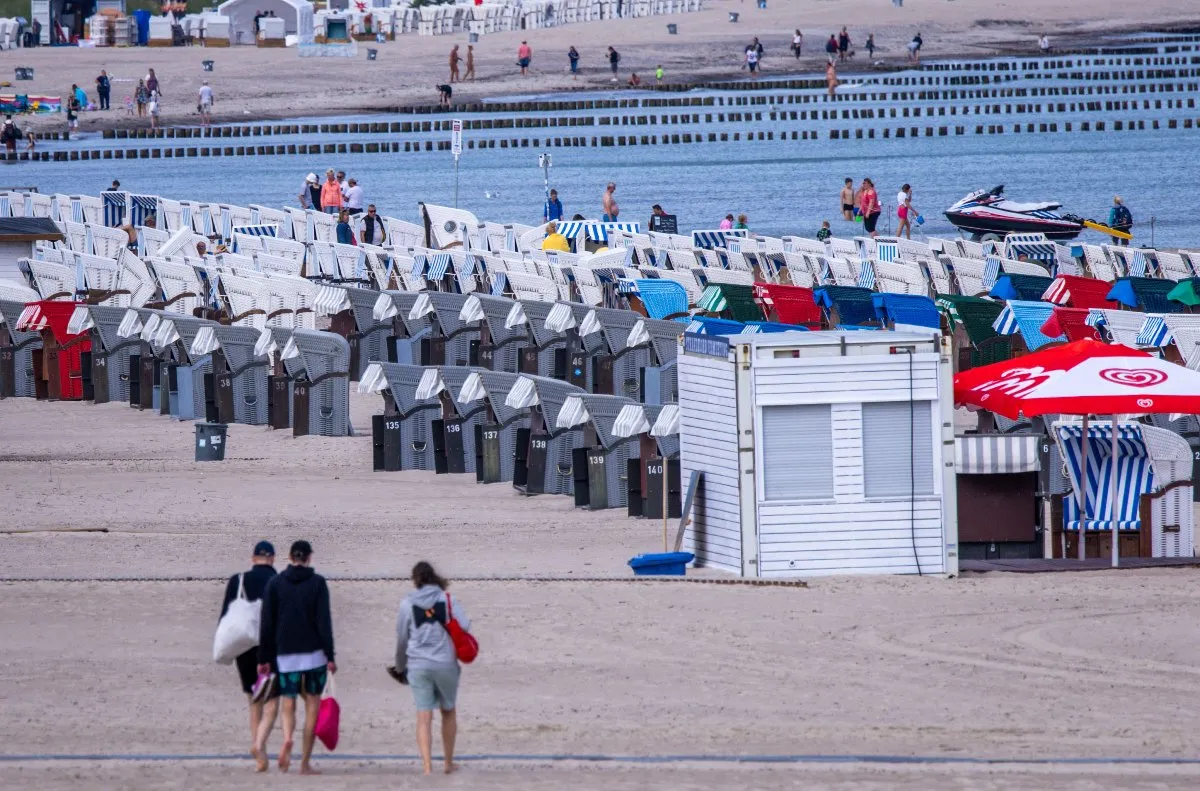
Heat warnings this week indicate temperatures climbing toward 30 °C across parts of Germany. As the mercury rises, domestic tourism is shifting toward destinations that offer natural relief – a trend described as “cool‑cation”. German states are responding by investing in shaded infrastructure and promoting high‑altitude or coastal sites to keep visitors comfortable during heat peaks.
Coastal islands with sea‑driven moderation
On the Baltic Sea, islands such as Rügen enjoy daytime highs that seldom breach 25 °C, even in July. The surrounding sea breeze keeps the air fresh, while water temperatures sit at 17 °C to 18 °C in midsummer – cool enough for a swim without being shocking. Further west, the North Sea islands of Sylt and Juist are a few degrees cooler still, and the tidal flats generate additional wind that helps the air circulate.
Underground retreats where temperature hardly changes
Below ground, the climate remains steady year‑round. In Oppenheim, Rhineland‑Palatinate, a guided tour descends 500 metres into a medieval cellar labyrinth where the air stays at 17 °C. Further north, the Dechenhöhle near Iserlohn in the Sauerland offers 360 metres of illuminated dripstone passages that maintain a constant 10 °C – a jacket is advisable.
Bavaria’s Salzbergwerk Berchtesgaden, an active salt mine since 1517, combines a miners’ train ride, a salt cathedral, an underground lake crossing and a 650‑metre‑deep slide, all within similarly cool conditions.
Berlin’s hidden layers are explored by Berliner Unterwelten e.V., which runs tours through wartime bunkers, Cold War escape tunnels and forgotten U‑Bahn stations where temperatures range between 8 °C and 12 °C – history with built‑in air conditioning.
Ice‑filled lakes and former refrigeration cellars
In Altenberge, Münsterland, the former Beuing Brewery ice cellar – once one of Europe’s largest underground refrigerators – now serves as a museum where the temperature stays between 8 °C and 10 °C.
Karst lakes in the Berchtesgaden National Park also provide cool relief. Funtensee records summer temperatures around 17 °C to 18 °C, while nearby Frillensee rarely exceeds 10 °C even in August. Both lakes are formed by collapsed caves, giving the surrounding scenery a naturally chilly character.
Alpine altitude on the Zugspitze
At 2,962 metres, the Zugspitze glacier retains snow and ice while the valleys below bake. The Bayerische Zugspitzbahn offers free guided tours from the Sonnalpin glacier restaurant to the edge of the Northern Schneeferner. Visitors can reach the summit via a rack railway from Garmisch‑Partenkirchen or a cable car from Eibsee, the journey passing through a 4.5‑kilometre tunnel.
The summit also hosts Germany’s highest church, the Maria Heimsuchung Chapel, providing a moment of reflection above the heat.
Most of these sites require advance booking during the peak season, and mountain weather can change rapidly. Travellers are advised to check forecasts and cable‑car schedules before setting out.
First reported by the original report.


