Many of the Germany’s lakes, rivers and coastlines offer ideal conditions for a wide variety of water sports.
From wind-powered adventures on the Baltic coast to canoe journeys through protected landscapes and rafting trips through Alpine scenery, there's no shortage of options.
Whether you want to learn a new skill, enjoy a peaceful paddle through nature or chase an adrenaline rush on white-water rapids, here are some of the best places in Germany to get on the water in the weeks ahead.
Low water levels
While most of the activities recommended here aren’t affected by current low water levels in Germany, some rafting and canoeing operators – for example on rain-fed and Alpine rivers such as the Isar, Iller and Lahn – may switch to alternative routes or from multi-person rafts to lighter inflatable kayaks. Especially for activities on rivers that may be affected by drought, you may want to call ahead and check current conditions.
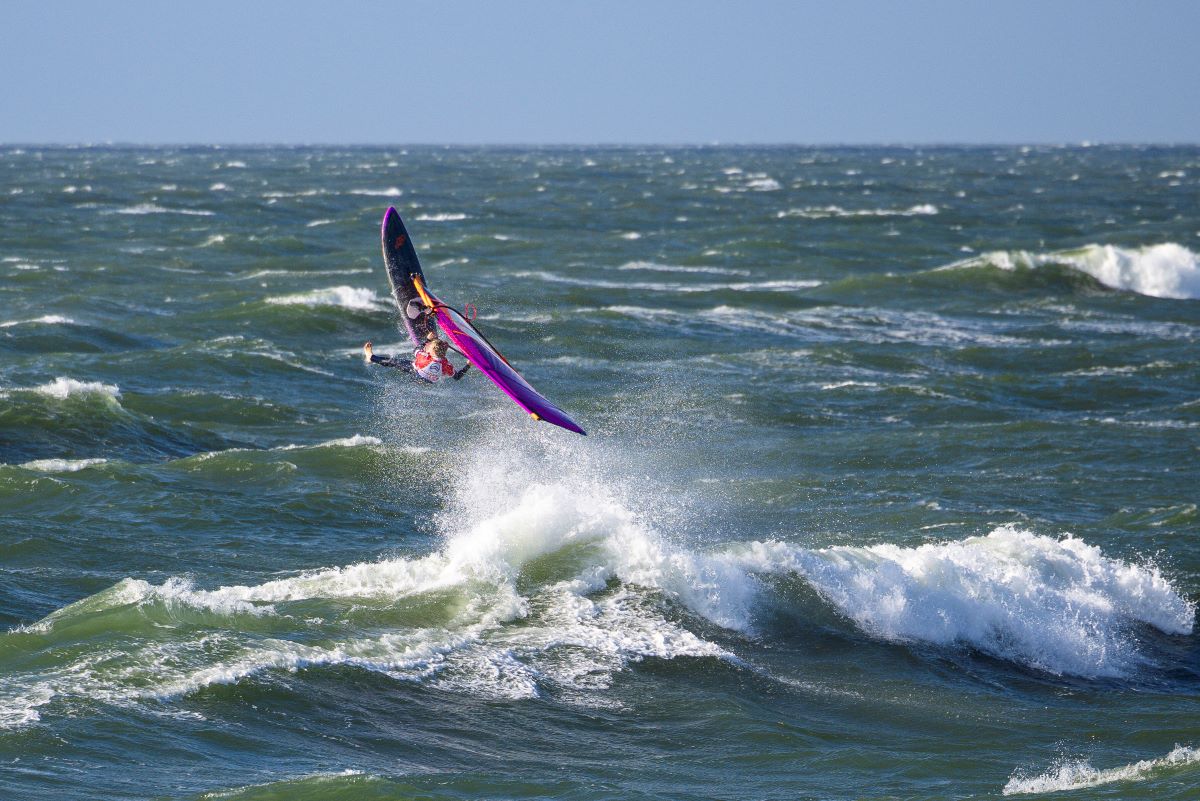
Windsurfing and kitesurfing
The combination of favourable wind conditions, shallow-water areas and extensive beaches makes Germany’s Baltic coast the country’s premier destinations for both wind- and kitesurfing.
Fehmarn, often described as a surfing mecca, is one of the best-known destinations. The island offers spots suited to a wide range of abilities, with shallow-water areas around Gold, Lemkenhafen and Orth helping beginners build confidence.
More experienced riders can seek out stronger winds and larger waves at other locations around the island.
Rügen is another standout destination. The island offers conditions suitable for beginners and advanced riders alike, while areas such as the Wieker Bodden are known for shallow standing zones that make learning easier.
Nearby Usedom also provides a mix of beginner-friendly waters and more challenging open-coast conditions.
For windsurfers in particular, Rügen’s Neu Mukran, Dahmeshöved near Lübeck Bay, Weissenhaus near Kiel and Brandenburger Strand on Sylt are among the country’s best-known spots.
The Association of German Water Sports Schools (VDWS) operates a network of certified schools and offers training in both windsurfing and kitesurfing. Costs vary by operator, while equipment rental is often available for independent riders who can demonstrate sufficient competence.
As always, it’s a good idea to check requirements directly with the school or rental centre ahead of time.
Sailing
Germany offers an impressive variety of sailing waters, from vast inland lakes to coastal sailing areas.
Lake Constance is one of the most famous sailing destinations in Germany. Bordering Germany, Austria and Switzerland, it offers spectacular scenery but also famously unpredictable winds.
Lake Chiemsee in Bavaria combines impressive Alpine views with an active sailing scene. The lake is known for its sailing schools, clubs and regattas and offers enough space for both beginners and experienced sailors.
Nearby Lake Starnberg and Ammersee also provide attractive settings, with strong winds in spring and autumn adding to their appeal.
Müritz in the north, Germany’s largest inland lake, is a favourite among sailors looking for a combination of nature and adventure. Parts of the lake border the Müritz National Park, adding an extra scenic dimension to any trip on the water.
Requirements vary depending on the location and the type of boat. Some sailing schools offer introductory sessions for complete beginners, while boat hire may require proof of competence or a sailing licence depending on the location.
Prospective sailors are advised to check local regulations before travelling.
Canoe adventures
For travellers who prefer scenery over speed, canoeing offers one of the best ways to experience Germany’s natural landscapes. Compared with many other water sports, it also has relatively few barriers to entry.
Equipment can usually be rented locally, and no licence is required for casual recreational paddling.
The Mecklenburg Lake District in north-eastern Germany is widely regarded as one of the country’s premier paddling regions. As the country’s largest connected lake area, it offers routes through forests, national parks and quiet waterways.
Further south, the Lahn provides a relaxed paddling experience through the heart of Hesse. The stretch between Wetzlar and Limburg passes historic towns, rolling countryside and picturesque villages. Gentle currents and relatively little boat traffic make it especially attractive for beginners.
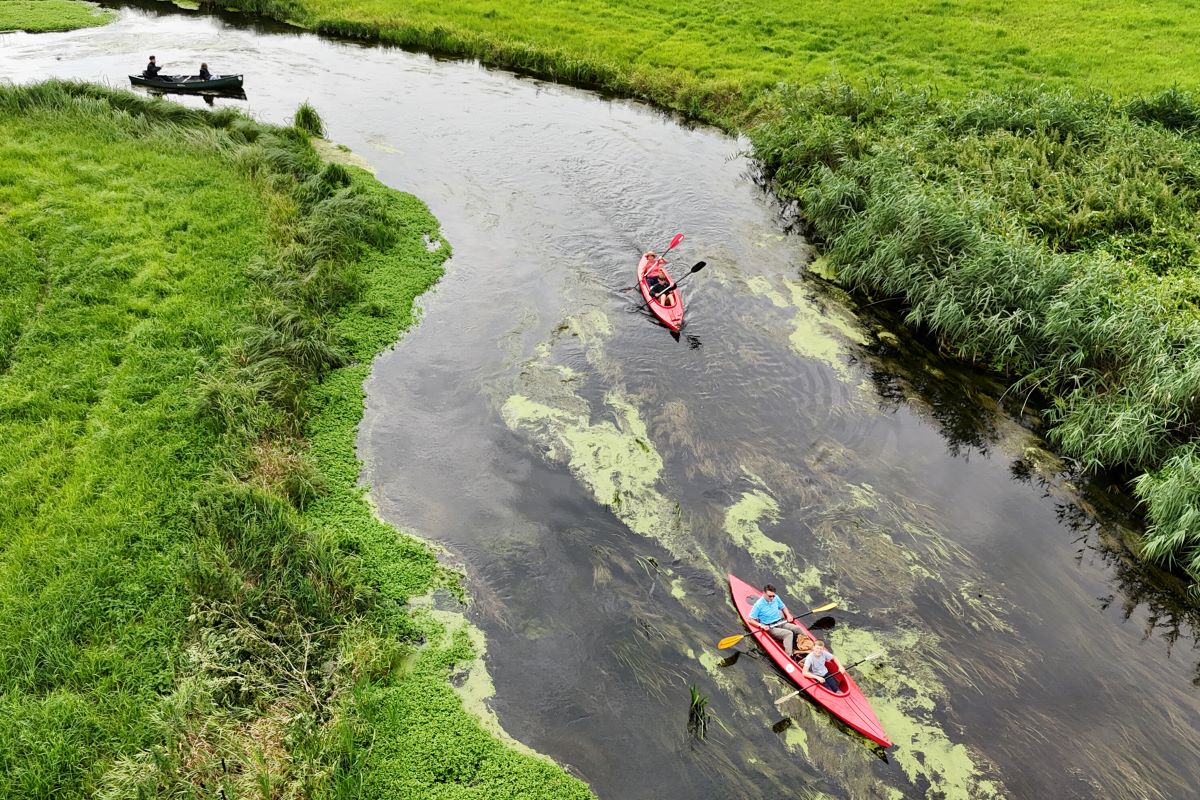
Another of Germany’s most distinctive canoeing destinations is the Spreewald Biosphere Reserve in Brandenburg. Here, a maze of canals and waterways winds through a unique cultural landscape. Routes between towns such as Lübbenau and Burg allow paddlers to explore areas that can only be fully appreciated from the water.
For more experienced canoeists, the Isar offers a greater sense of adventure. The route from Bad Tölz towards Munich passes through varied terrain and includes sections that can be more challenging than those found on Germany’s calmer rivers.
Rafting
Travellers looking for action rather than tranquillity may want to look into rafting, which combines teamwork, excitement and some of Germany’s most dramatic scenery.
The Iller in the Allgäu region of Bavaria is one of Germany’s most popular rafting rivers. Tours often combine calmer sections with more adventurous-passages, making the river suitable for both families and thrill-seekers. Oberstdorf, Blaichach and Sonthofen are common starting points.
The Isar offers another excellent rafting destination. Trips are available through idyllic countryside as well as sections closer to Munich, and operators often cater to groups as well as families.
For more demanding conditions, the Berchtesgaden region in the south-eastern corner of Bavaria stands out. Rivers including the Saalach, Berchtesgadener Ache and Königsseer Ache feature more challenging stretches set against the backdrop of one of Germany’s most spectacular mountain landscapes.
Many rafting trips are designed specifically for first timers. They're conducted by experienced guides and include essential safety equipment such as helmets, wetsuits and buoyancy aids.
But tour lengths, difficulty levels and minimum age requirements can vary, so it is worth checking directly with operators before booking.