How to find a doctor in Germany when your GP is closed
Germany's healthcare system runs on strict opening hours, but a nationwide network of on-call practices and a free 24-hour hotline keep urgent care accessible.
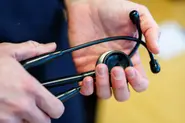
Germany's healthcare system is widely admired, but it operates on predictable schedules. When a child spikes a fever on a Sunday or an ear infection strikes at midnight, the usual Hausarzt is unavailable. Knowing the alternatives can spare you hours in a hospital waiting room and keep emergency departments free for genuine crises.
The numbers you need
For life-threatening situations, unconsciousness, severe breathing difficulty, chest pain, dial 112 immediately. Ambulances and hospital emergency departments (Notaufnahme, or Rettungsstelle in Berlin) operate around the clock.
If the problem is urgent but not an emergency, the first call should be to 116 117. This free, nationwide patient service hotline runs 24 hours a day, seven days a week, from landlines and mobiles without an area code. Advisors triage symptoms by phone and direct callers to the nearest out-of-hours practice (Bereitschaftspraxis or Notdienstpraxis), a hospital emergency department, or, in some cases, arrange a home visit. Have your health insurance card ready; the adviser will ask for details. English-speaking staff are not guaranteed, so preparing a few German phrases helps.
Where the on-call practices are
Bereitschaftspraxen are typically housed on or near large hospital sites and often carry the prefix "KV" (for example, the KV-Notdienstpraxis at Vivantes Klinikum Neukölln in Berlin). Opening hours vary by region; some run late into the evening, others overnight. A postcode search on the official 116 117 website shows the nearest location and its hours. Specialised clinics exist for children or specific conditions, so check the designation before travelling. Expect waits at peak times.
During the consultation the doctor can issue prescriptions and provides a summary sheet for your regular GP, ensuring continuity of care.
Private options and pharmacy cover
Several private firms now offer on-demand video GP appointments for a fee. They can handle minor ailments, issue prescriptions or sick notes, but cannot replace a physical examination when one is clinically necessary.
Privately insured patients may use the same Bereitschaftspraxen; they simply receive an invoice based on the private fee schedule (Gebührenordnung für Ärzte) to reclaim from their insurer. Uninsured visitors can also access urgent care, though they must pay upfront unless covered by travel insurance.
Medication outside normal hours comes from the rotating network of Notdienst-Apotheken. Locate the nearest via the Aponet pharmacy finder or ask the treating doctor. Dispensing often takes place through a secure night hatch for safety.
Quick German phrases to keep handy
Ich brauche einen Arzt (I need a doctor), Ich habe starke Schmerzen (I'm in severe pain), Wo ist die nächste Bereitschaftspraxis? (Where is the nearest on-call practice?), Welche Apotheke hat Notdienst? (Which pharmacy is on emergency duty?), Ich bin privat/gesetzlich versichert (I have private/statutory health insurance).
Save the numbers 112 and 116 117 in your phone now. When the surgery shutters are down, they are the fastest route to the right care.


