Here’s a glimpse into the future of the Internet of Things: A day in the life of the connected city

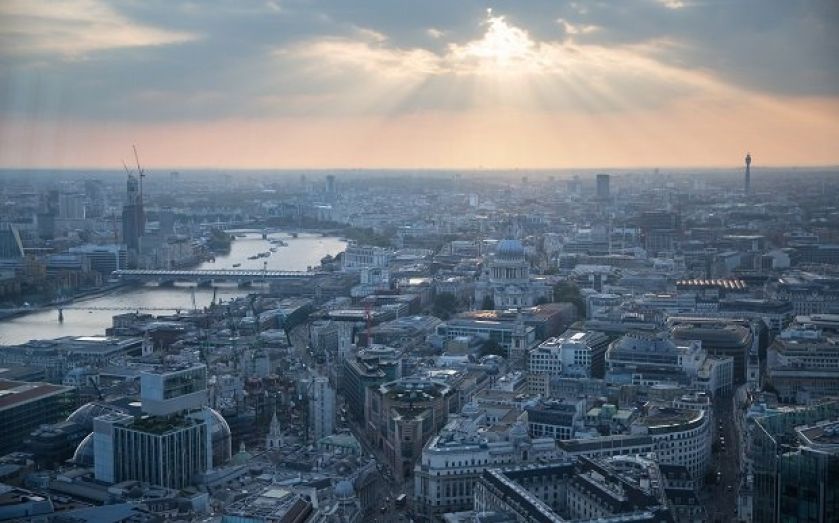
Meet Jeremy. He lives in London and as part of a new fitness drive, plays squash two mornings a week.
The game ends triumphantly and he checks his smart watch to compare his performance to others and to track how many calories he burned – the device even has a personalised solutions service, advising on required post-exercise stretches, foods and drink supplements finely tuned to help his body recover based on his anonymous data.
Today, the app flashes red, notifying Jeremy that the soles of his trainers are wearing thin, which has been transmitted from the sensor and RFID chip embedded in the sole.
Before leaving the gym, Jeremy takes out his smartphone and begins looking for new trainers. He spots pay-per-click ads from the trainer brand, New Balance, but chooses to ignore them, opting to look at brands he’s familiar with.
Jeremy needs to stop by the office of a client, before heading to his own office. He selects the route planner function on his smart contact lens. Jeremy’s route to his client’s office begins to light up on the pathway in front of him, there’s no room for human error.
On leaving his client’s office, Jeremy heads to a nearby Tube stop to begin his journey to work. The RFID chip in his smartphone transmits his anonymous unique ID to the video ad server inside the station window in front of him. His previous views and interests have already been collected and stored against this ID, and a video ad from New Balance appears.
The same ID is being transmitted to the billboards all along the escalator walls as he moves further down into the underground, disappearing the minute he moves past each square foot. The sensor enhanced displays are deciding what ads to show at each moment based on the anonymous aggregate data of the people in the area. Jeremy sees a New Balance ad, and recognition of the product and the brand is beginning to register with him.
He steps on the train and scores a seat, switching off his smart contact lenses for a short moment. His eyes are now drawn to the windows of the train which have taken on the appearance of a woodland forest, distracting and calming the moods of angry commuters and giving Jeremy a moment to contemplate nothingness – switching off every now and again is vital in a connected city.
Later on in the day, during his lunch hour, Jeremy decides to go shopping on the high street. His ID is broadcast and a nearby New Balance shop picks it up, rationalises the data and makes the decision to print a basic mock-up of the shoe he was most drawn to, in his size and preferred colour. As he walks past the window, he sees a personalised model – he goes into the shop and makes the purchase.
Evidently the promise of a fully connected city is alluring to marketers and consumers alike, particularly due to the opportunity brands like New Balance will see with the new advertising inventory as more and more once-ordinary surfaces become available to them. But do consumers risk being bombarded with too many useless ads? Thankfully, it doesn’t have to be that way. We just have to learn the lessons many digital marketers are teaching us.
Technology is already at our fingertips which can prevent people being targeted with non-relevant ads – it’s called programmatic advertising.
Let’s take Jeremy as an example. His initial interest was registered by New Balance, and from that, many interactions occurred. Each potential interaction between Jeremy and New Balance had to be judged on its own merits using completely anonymous data. So instead, he received a much smaller volume of relevant messages, at the right time and in the right place, based on his anonymous data, allowing for a much more personal but less invasive experience.
In many ways the potential for tailored ads in the future could make our lives a little easier by giving us only the information we require.
More and more, we’re seeing our digital and physical words intertwine and the promise for brands and consumers is endless. It’s becoming increasingly important that we ensure our urban environments don’t become an overwhelming marketing nightmare for those living and working in them.