Skip to content
Thursday 13 August 2026London --:--Frankfurt --:--Zurich --:--
NewslettersSearchEN · DE
MorningWire

European business, markets and politics

FTSE 100
10,772.67
-0.56%
DAX
26,299.74
-0.12%
CAC 40
8,650.56
-0.28%
STOXX 50
6,545.47
+0.18%
  • Europe
  • Markets
  • Business
  • Economy
  • Technology
  • Politics
  • Opinion
More
GermanyFranceBankingAIEnergyFintechPropertyCapital Markets
  • Germany
  • France
  • Europe
  • Markets
  • Business
  • Economy
  • Technology
  • Politics
  • Opinion
  • DE
Wednesday 12 August 2020 12:01 am  |  Updated:  Wednesday 12 August 2020 4:36 pm

Government to crack down on online political campaigns

By: James Warrington

Add as a preferred source on Google
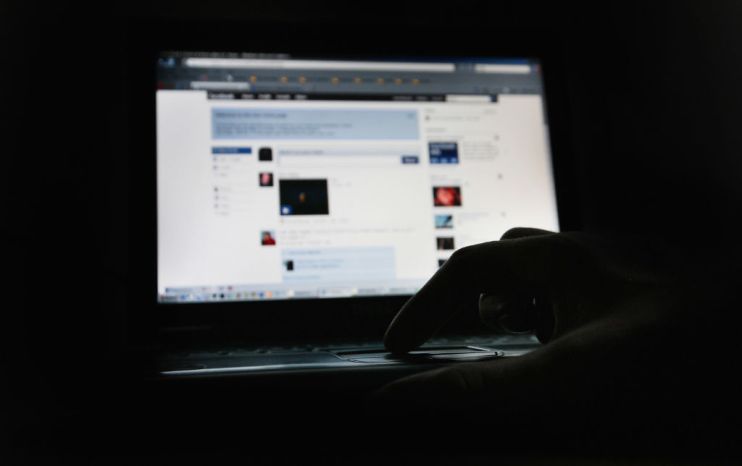
Social Networking Sites May Be Monitored By Security Services

The government has today outlined proposals for new laws designed to improve the transparency of political advertising on social media.

The new measures would require political parties and campaigners to clearly state who they are when promoting campaign content online.

Under the plans, all campaigners would be required to include a digital imprint containing their identity and affiliations, regardless of which country it originates from or which platform it appears on.

The rules, which are now subject to a consultation, are intended to apply all year round, not only during election periods. However, they would only apply to election material and not to wider political advertising.

The government said the new rules would be aimed at all campaign material posted by registered political parties and third-party campaigners, whether paid or organic. 

Other campaigners would only be required to use a digital imprint where the content has been paid for, ensuring that the press and members of the public can continue to exercise free speech online.

“People want to engage with politics online; that’s where campaigners connect with voters and is why ahead of elections, almost half of political advertising budgets are now spent on digital content and activity,” said Chloe Smith, minister for the constitution & devolution.

“But people want to know who is talking. Voters value transparency, so we must ensure that there are clear rules to help them see who is behind campaign content online.”

The move follows heavy criticism of the government over its failure to take action against the spread of political misinformation online and a lack of transparency over spending.

Read more

‘Moron premium’ – Westminster turmoil has ‘cost taxpayers £35bn’ since 2022

Westminster Houses of Parliament under clear sky, iconic London landmark representing UK government and politics

In a long-awaited report published last month the intelligence and security committee said the government had “badly underestimated” the threat from Russia and had failed to investigate the country’s interference in the EU referendum.

The report, which covered cyber attacks as well as disinformation campaigns, said the UK was “clearly a target” during election periods.

Tech firms have also come under fire for their lack of regulation of online political advertising and the resulting spread of misinformation.

Last year Twitter opted to ban political adverts on its platform, with boss Jack Dorsey stating that “reach should be earned, not bought”.

By contrast, Facebook chief executive Mark Zuckerberg has resisted calls to crack down on political ads, arguing that private companies should not be the “arbiters of truth”. However, the social media platform last month said users could choose to turn off political ads.

Currently, Facebook requires political advertisers to go through an authorisation process and include a ‘paid for’ disclaimer on their ads.

“We have long called for updated rules for the era of digital political campaigning and so we welcome the government’s consultation,” said Rebecca Stimson, head of UK public policy at Facebook.

“Facebook has led the way on online transparency by requiring all political ads on our platforms to have a ‘paid for by’ disclaimer and placing them into an Ad Library for everyone to see. We look forward to further engaging with the government on this important consultation.”

Read more

The Debate: Should political donations be capped at £100,000?

Nigel Farage delivering a speech in July 2026, wearing a suit, addressing an audience at a political event.

Share this article

  • Facebook
  • X
  • LinkedIn
  • WhatsApp
  • Email

Similarly tagged content:

Sections

  • News

Categories

  • Business
  • Politics
  • Tech

Related Topics

  • Facebook
  • Twitter

Trending Articles

  • Five-star Mayfair hotel hit with HMRC winding-up petition

  • Revolut takes flight with launch of new airport lounges

  • It’s not just Jason Arday, most of sociology is a scam

  • IT consultant ordered to pay £50,000 after being accused of stealing Soho House members’ personal details

  • Grandparents fund university degrees to avoid inheritance tax net

More from Morning Wire

  • ‘Moron premium’ – Westminster turmoil has ‘cost taxpayers £35bn’ since 2022

    Politics
    Westminster Houses of Parliament under clear sky, iconic London landmark representing UK government and politics
  • The Debate: Should political donations be capped at £100,000?

    Opinion
    Nigel Farage delivering a speech in July 2026, wearing a suit, addressing an audience at a political event.
  • Burnham’s encounter with political and economic reality will be brutal when it comes

    Politics
    Andy Burnham discussing capital gains tax increase during a press conference, highlighting potential economic impacts
  • Why does Britain treat housebuilding as one big burden?

    Opinion
    Modern house under construction with scaffolding, highlighting progress in sustainable building methods and materials.
  • Keir Starmer wasn’t weird enough for Westminster

    Opinion
    Keir Starmer holding a football with a World Cup logo, smiling and engaging in a sports event discussion.
  • Lisa Nandy has set a terrible precedent by flouncing off Twitter

    Opinion
    Culture secretary Lisa Nandy has warned that the limbo over David Kogan’s appointment as head of the Independent Football Regulator is “obviously having real-world consequences”.
  • Ignore Palantir’s political opponents and look at the data: this technology helps patients

    Opinion
    NHS logo on a white surface with visible water droplets, blue and white branding
  • The pensions triple lock is a travesty. Our politicians must fess up

    Opinion
    Young people face the risk of failing to save enough in their pension
MorningWire

Independent European business, markets and political news for decision-makers.

Morning Briefing

Europe

  • Germany
  • France
  • Europe
  • UK & Ireland

Business

  • Markets
  • Banking
  • Technology
  • Energy
  • Property
  • Fintech

Editorial

  • Opinion
  • Editorial Policy
  • Corrections
  • Contact

Company

  • About Morning Wire
  • Privacy Policy
  • Terms of Use
  • Cookie Policy
© 2026 Morning Wire Ltd · Published by Morning Wire Media, Bahnhofstrasse 65, 8001 Zürich, Switzerland
Privacy · Terms · Cookies · Facebook