Green energy firms demand National Grid boost storage after lack of facility saw it pay them £99m to turn generators OFF

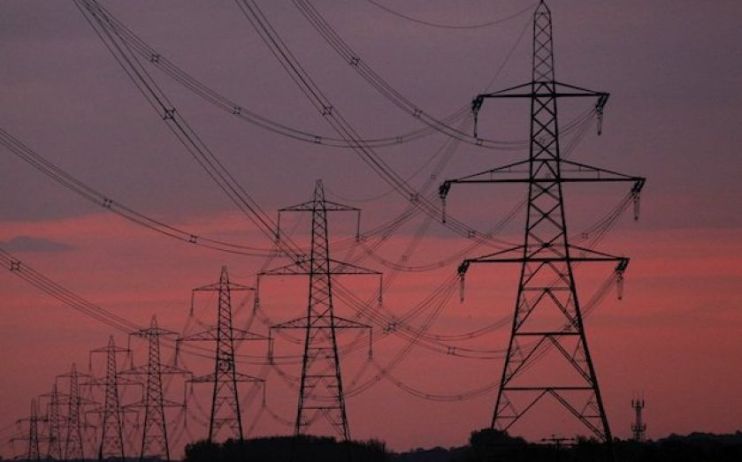
Green energy companies are calling on National Grid to boost its storage capabilities after it handed out nearly £100m to energy producers last month to switch off their generators.
National Grid spent £99m coughing up for thermal constraints on the network, including wind, nuclear and coal generators over January to prevent the grid from being overwhelmed.
This meant vast amounts of energy was wasted, while funds were spent compensating generators and turning on supplies from alternative sources.
It follows National Grid spending £82m to pay wind farm operators to turn off turbines last month.
Andy Willis, founder of clean energy technology group Kona Energy told Morning Wire that “tackling this waste has to be an urgent priority” for the new energy department overseen by Grant Shapps.
He argued the root cause was “the overcrowded and dysfunctional queue system for energy projects” looking to connect to the grid, including battery storage facilities.
As it stands companies pay National Grid to reserve a place in the queue for a new proposed project, but are not required to achieve construction milestones to keep their place – meaning sites with more development potential can be stuck in a backlog.
He said: “The queue needs wholesale reform. Without that, these costs are going to get far worse as more and more renewable projects produce energy at sub-optimal times. National interest in constraint costs is rising, so tackling this issue now is fundamental to retain trust in reaching net zero.
“Investment and capacity is there in the industry to deliver the required infrastructure in months, but delays mean that the benefits won’t be felt for many years. National Grid are fully aware and are working to clear the queue, but without political impetus the pace of change is slow.”
He also called on the government to back battery storage, which could reduce the need to replace green energy with back-up supplies from fossil fuel generators.
This outlook was shared by James Basden, co-founder and director of Zenobe, who argued that the energy transition required National Grid to go beyond installing wind farms and solar panels.
He believed National Grid was also required to redesigning the UK’s network infrastructure to “harness the full potential of renewables and ensure the electricity supply from these sources is cheaper, more secure and more sustainable.”
Basden said: “We need to adapt the electricity system to the variable flows of wind and solar energy. Grid-scale battery storage provides the flexibility needed, balancing intermittent generation by sending energy to where it’s needed or by storing it for later use when there’s risk of the system becoming congested. This removes the need to pay generators to switch off and ultimately cuts bills.
“Enabling more storage on the network and updating it must be a priority for policymakers, to keep pace with the rollout of renewables.”
When approached for comment National Grid’s electricity system operator (NGESO) outlined that constraint payments were necessary for keeping the energy network in balance and that it was always focused on what was the most cost-effective way of transporting power to people’s homes.
A spokesperson said: “As Britain’s electricity system operator, we operate the system in the most cost-effective way for the consumer. Like many system operators across the world, we make constraint payments to help us keep the electricity network in balance at all times.
“These payments to temporarily reduce generation output are more economical than to over-build expensive new infrastructure. We constantly analyse the balance between constraint costs versus the cost of building new assets and are working with industry to reduce the impact of network constraints whilst building a greener system.”