Greg Clark’s flawed and feeble remedy will fail to stamp out the late payment problem

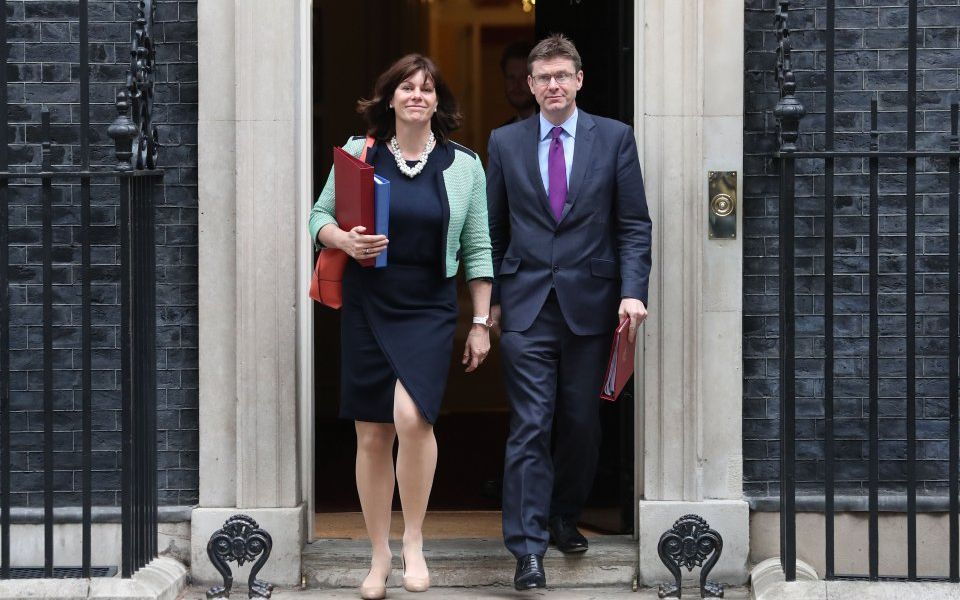
Brexit confusion, in-fighting, and leadership peacocking have marred both the Labour and Conservative Party conferences this year, but business secretary Greg Clark provided a glimmer of hope for SMEs this week.
Large companies could be forced to nominate a board member to ensure that invoices are paid properly as part of a planned crackdown on slow and late payments to small businesses.
According to the IoD, the scourge of late payments puts 50,000 small firms out of business each year in the UK, costing the economy an estimated £2.5bn.
Clark is not the first politician to tackle the issue, with successive governments since the 1990s having promised one remedy or another.
The flaw with previous measures – which also afflicts the business secretary’s proposed remedies – is that any penalty hinges on “voluntary codes” or “recommended guidelines”.
In principle, the government’s promise to pay 90 per cent of undisputed invoices from SMEs within five days is well intentioned. The 10 per cent wiggle room they’ve left themselves, however, is overly generous, especially when there are no other meaningful enforcement tactics.
To show just how ineffective these practices have been, take the most damning collapse of recent years, Carillion. The construction group was a behemoth, allowed to grow fat on government contracts while acquiring a reputation for late payments and poor treatment of suppliers.
The revelations that Carillion had 120-day payment terms show the degree to which Britain’s small businesses have been treated with contempt by their larger counterparts.
At present, the Prompt Payment Code – of which Carillion was a signatory – dictates that invoices should be paid within 60 days, other than in “exceptional circumstances”. We’ve all seen now that these voluntary stipulations are worth little more than the paper they’re written on.
Paul Uppal, the newly-appointed small business commissioner, had been in the job for less than a month when Carillion collapsed, leaving debts running into billions of pounds.
The fallout posed a significant challenge for Uppal, charged with flying the flag for the UK’s army of SMEs, and with a remit of addressing the thorny issue of late payments.
In light of this appointment, I’m glad to see that Clark has proposed that Uppal take on official oversight of any new late payment measures.
But no matter how energetic and effective the small business commissioner is, he must be supported with a robust, meaningful, and (crucially) enforceable code.
An increase in accountability for late payments could shake up organisations which have rested on their laurels up to this point. But do these measures go far enough?
In my view, Uppal would do well to promote more use of trade credit insurance by SMEs, which cover failures to pay. In addition, the data held by trade credit insurers can give SMEs valuable information about the likelihood of big corporates paying on time or at all.
SMEs should arm themselves with this information and think twice before working with a risky customer, no matter how attractive the work seems.
Helping small businesses avoid damaging losses must form part of Clark and Uppal’s thinking.
It seems that the government is waking up to the real risk to productivity, jobs and happiness posed by late payments. I hope that action now follows rhetoric, and that our small business owners receive fairer treatment in a post-Carillion era.