Home, sweet home: Why it’s time for a national conversation about happier houses

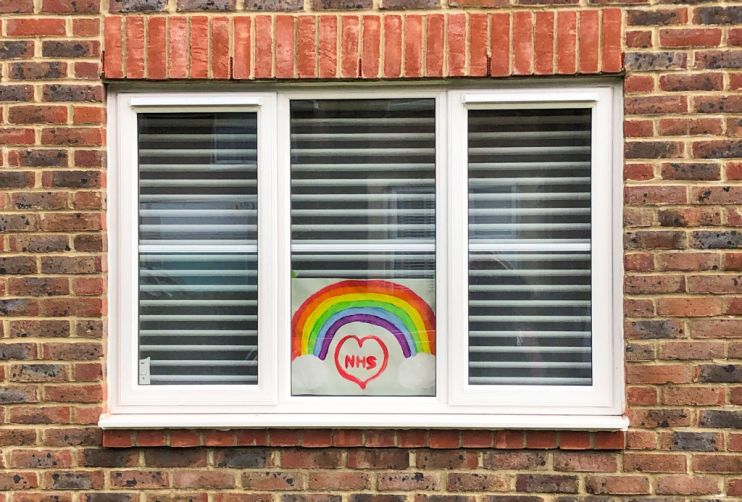
How have you improved your home during lockdown? And has it truly made you happier?
Given that spending on home improvements was one of the first boosts to the economy during spring 2020, with the Office for National Statistics reporting that people in England and Wales spent 147 per cent more time gardening and doing DIY during lockdown, it’s clear that many of us have made refashioning our surroundings a priority.
But have we been investing in the right things?
That’s the subject of “Happy Homes”, a new podcast we have created to explore just what really affects our happiness when it comes to where we live, be it a chateau or a houseboat.
For too long, a happy home has been a subjective and style-conscious imagining of the home shows and design magazines we consume, with an inexorable thirst for more square metres. Yet we’ve rarely interrogated the quality of the homes we’ve already assembled and established in any scientifically rigorous way.
This is a missed opportunity — because our homes have a huge impact on our wellbeing. In a recent survey we conducted, 48 per cent of respondents said that there’s always something to worry about in terms of their homes. Psychologists, psychiatrists and mental health experts regularly chart the relationship between where and how we live and our mental state — for anyone in the throes of a mental health crisis, having your living quarters inspected is a critical part of a medical assessment.
Discussions about the state of the nation’s housing do regularly come up on the agenda, but usually the focus is shortages or affordability.
Why do we only talk about the state of our homes when we’re already at crisis point? Positive psychology-led advice on how to improve our work, financial and personal lives floods our media, but when was the last time you saw a home show or design magazine explore the effect of where you live in any similar way?
Given the precariousness of our collective mental health in recent months and the increased time we’re spending in our living spaces, you’d think the government would be more concerned than ever to ensure that our homes support our mental wellbeing, and to do some thorough academic research into the topic to share with the nation — because sick and miserable workers cannot repair a struggling economy.
Instead, the only real policy idea we’ve seen on the horizon has been the government’s permitted development plans, with the focus on how quickly more homes of any standard can be created.
New and sustainable housing is of course desperately needed — as architect Julia Park of Levitt Bernstein points out on the podcast, given the current glacial rate of building, we’d need every new home to last for 2,000 years to keep up with demand, with dozens of families passing through it.
But while the government proposes to make it easier to convert commercial spaces into housing, there’s been little honest public discussion about how they will feel to live in when ready, nor what the impact on their residents will be given that the housing ministry itself has concluded the move will lead to “worse quality” homes.
“Build back better” may be the Prime Minister’s positive rallying cry. But getting under the skin of what we love about where we live in the first place would do Boris better.
Even before the pandemic, we found that we are focusing on the wrong things when it comes to living well. Surveying some 4,000 UK residents about their intimate residential desires, six key qualities of a happy home emerged: homes need to be relaxed, secure, nourishing, adaptable, connected, and should mirror our personalities (81 per cent of those happiest with where they live say that their homes reflect who they are).
Given that our homes are having to work harder than ever before to sustain us, it’s never been more vital that they meet these criteria. And considering these qualities at the design stage, not just when we hit the lighting aisle of Homebase, will make all the difference to our wellbeing.
While Covid-19 rates around the world remain in flux, and with a winter spike predicted for the UK, assessing how happy our homes make us feel is no indulgence. Rather, it’s vital to the health, wellbeing, and productivity of the nation. More than simply deserving a base that meets minimum standards, we all deserve a safe, stable, healthy and beautiful place to call home.
Focusing not just on “housing” but on “happy homes” will shape Britons’ lives for the better.
Main image credit: Getty