How AI is redefining luxury fashion

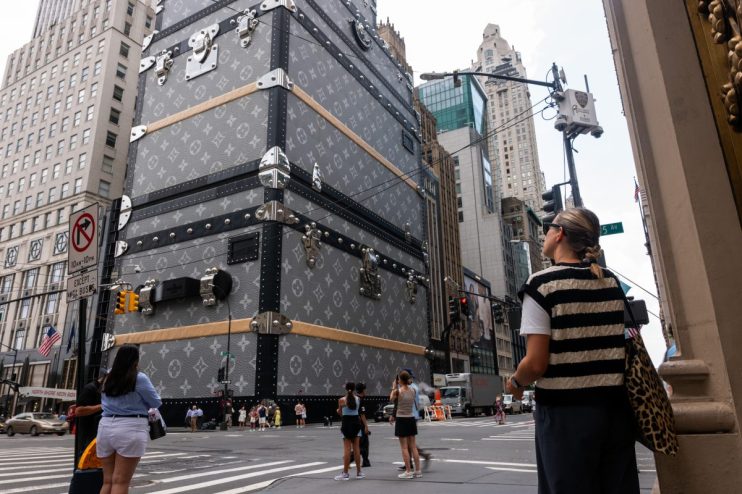
From digital Gucci fashion drops to AI stylists, luxury fashion has jumped on board the AI train, writes Paul Armstrong
The luxury market is standing at a crossroads driven by emerging generations who are demanding more participation, not possession, than ever before. Gen Z and Gen Alpha together seem to be poised to reshape what luxury means, tipping the balance from heritage-led scarcity to participation-led status. Only a few years ago, the tech world said digital clothing was the next big thing, right now we seem to be seeing AI moving beyond enabling personalisation to bigger and perhaps better models that focus on early access, creative agency and bespoke experiences on their own terms.
Big names remain comfortably afloat on a sea of money. LVMH logged €86.2bn in revenue in 2024 while Hermès posted a 17 per cent profit rise in Q1 of 2025. The group’s AI platform MaIA handles over 2m data requests per month and supports personalisation, supply chain forecasting and pricing strategy for its 75 brands. AI agents at Tiffany deliver tailored messaging and product suggestions for customers. Predictive tools now influence design, inventory and customer outreach across the Tiffany business. Even Google Cloud is partnering on AI innovation to preserve luxury values through tech-enabled creativity.
AI is powering ultra-personalised services
Gucci integrates AI in multiple ways, from real-time styling chatbots and recommendation engines to AI-driven digital fashion drops via Gucci Vault. Prada also likes chatbots, and launched AI-generated design workshops for clients in Asia. Dior tests smart mirrors in flagship stores, offering virtual try-on with instant analysis of body shape and preferred aesthetics. Balenciaga stages virtual fashion shows powered by generative design studios. Tommy Hilfiger partners with IBM and NY-based FIT to forecast trends via machine learning. Brands offering hyper-personalized shopping experiences now fall in line with Gen Z expectations. What were essentially gimmicks years ago are now selling tools, and we’re only just seeing the start.
Younger consumers expect luxury to reflect their values, not just their wallets. A 2024 BCG survey found over 70 per cent of Gen Z choose brands that reflect their values and identity rather than signals of wealth or status. Fragrance now plays a major role with Gen Z and Gen Alpha embracing “smellmaxxing” and indie perfumers like Thin Wild Mercury gaining viral traction via Tiktok. Industry-wide fragrance market value stood at £1.74bn in the UK during 2024 and is expected to hit £2bn by 2029.
Those further down the luxury tree are paying attention too. E-commerce driven personalisation is now table stakes and AI is ahead of the trend. AI-fashion stylists like those offered by Farfetch and Net-a-Porter curate looks based on browsing behavior and past purchases. In beauty, Revieve powers digital skin and makeup advisor experiences used by brands like Shiseido, No7 and Boots, delivering virtual try-ons and customised routines via facial recognition and generative models. Customers can now design their looks before purchase using bio-data and AI-generated visuals.
Luxury is no longer just about logos or limited editions alone but about co-creation and differentiated identity membership. Gen Z luxury buyers place personalisation, cultural resonance and digital community ahead of price. Bain and Altagamma report a slowdown in core luxury segments like leather goods and footwear while experiences and fragrance remain strong, outperforming personal goods over the same period. There’s a prediction of up to nine per cent contraction in key categories while highlighting brands who offer curated, tiered, niche access are more likely to survive.
Gen Z define value differently
The big MC’s want you to know that Gen Z will control unprecedented purchasing power soon. McKinsey projects spending by Gen Z alone to contribute $8.9 trillion to global GDP by 2035. Deloitte’s 2025 survey indicates 74 per cent of Gen Z expect generative AI to impact their workplace within a year, while 77 per cent of millennials feel similarly. Let’s pray they all keep on saving for pensions too.
Brands that treat AI as a toolkit to reinforce legacy risk missing what matters. Gen Z values chaotic customisation and peer creativity over polished campaigns. Viral drops, micro-communities and Discord-driven microbrands such as MSCHF, Telfar and ‘hard to find’ luxury accessories have surged by leveraging AI-native design, storytelling and scarcity. Custom AI-generated collections and drops resonate with young audiences who want ownership of their aesthetic, not just symbolic access.
LVMH and Gucci respond by piloting AI stylist agents, experimentation labs and immersive shopper tools. Effective personalisation via chatbots and virtual assistants attempts to bridge heritage with new behaviours. AI enables deep customer data collection the likes of which luxury hasn’t seen (or likely wanted) before. From preferences, past clicks, to biometrics and inferences. If done smartly, and that is no easy task, brands can curate more than product assortments, they can grow cultural relevance and emotional resonance.
A bellwether for the whole fashion industry
Luxury often is the canary in the economic coal mine. When status signals shift, customer behaviour follows across sectors. AI is quietly resetting how Gen Z and Gen Alpha define value, access and aspiration. These shifts will not stay contained to high fashion or fragrance. Retail, hospitality, wealth management and automotive firms should now assume their next generation of clients will expect creative control, algorithmic fluency and emotional alignment as default. Waiting to adapt will not be a neutral decision.
Business leaders should not misread this as hype. Legacy brands are already being caught flat-footed by users who expect co-creation rather than curated perfection. A customer who can generate, remix or bypass your product with AI tools will not value it the same way. Luxury is showing us what happens when symbolic worth collides with technological empowerment. Every business with a brand, a customer interface or digital strategy should be reassessing just how defensible it really is when every individual becomes their own creative director.
Short-term risk may look like slow engagement, but the (not so) long-term risk is you disappear. AI-native bunnies will not wait for traditional businesses to catch up. The luxury sector is simply where the warning signs have started flashing first. Executives should treat this moment as strategic lead time and build cross-functional teams fluent in culture and computation. Design loyalty around participation instead of points. Pilot experiments that stretch the brand’s comfort zone. Value creation is being redefined, and the next generations of customers are already building what comes next with or without you. Seeing which brands care enough to do more than listen and react is going to be interesting, and possibly the new kingmaker for some.
Paul Armstrong is founder of TBD Group and author of Disruptive Technologies