How to approach your child about mental health issues

For those juggling work and parenting it can often be hard to find time to sit down and properly talk to your child about their mental health and wellbeing.
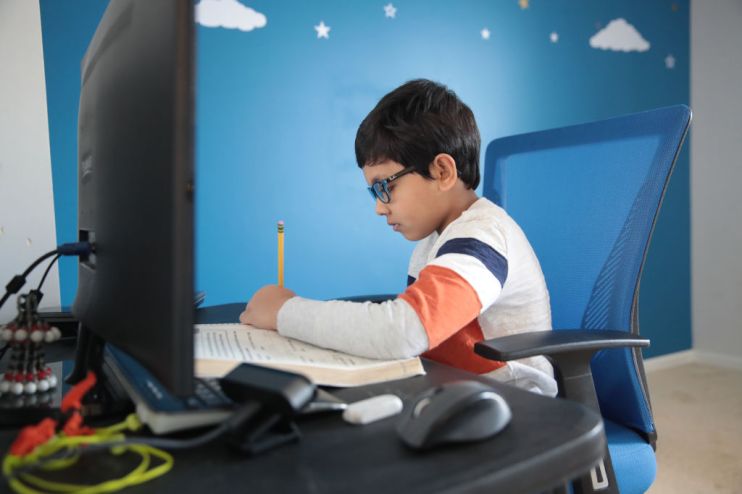
The digital age, where so many hours are spent on devices and tablets, only services to make things more difficult.
It’s easy for any parent to therefore miss the early signs their child is struggling with their mental health.
Today marks the start of Children’s Mental Health Week, an initiative which aims to end the stigma that still exists around mental ill health in the young.
And according to one leading expert, much more support is needed to help both adults and children deal with things more effectively.
Author and counsellor Lynn Crilly told City A.M.: “Children’s Mental Health Week is a great moment for us to raise awareness about how important it is for children to speak out about any problems they are suffering from.
“But for children who make that step, accessing support is also often impossible due to long waiting lists. The strain this places on young people and their families is often intolerable.
“We urgently need to see services across all parts of the UK receive extra investment and funding to meet the alarming rise in the numbers of young people requiring help.”
Lynn became a counsellor after her own daughter, Samantha, developed an eating disorder 20 years ago. Samantha later developed mental ill health, and obsessive compulsive disorder. A lack of support prompted Lynn to enter counselling, and she’s now released a series of books offering practical advice to young people and their families.
Here Lynn shares her advice on how you can look to initiate a conversation with a young person about their mental health Lynn said:
Trust
Confronting them head-on and throwing specific questions at them, such as ‘Do you have a mental illness?’ or ‘Have you self-harmed?’ may be counter-productive, causing them to clam-up, run away or shout back. Instead, create an environment where they feel trusted, safe and respected is much more likely to help them open up.
Little and often is best
Aim to make mental health a subject that you talk about little and often. It is just as important as physical health and if we can begin to talk about it in the same way as we do other illnesses it will not be pushed to one side and get worse.
Where to have the conversation
Some parents find that a car journey can be a good place to conduct tricky conversations, allowing youngsters to talk without the full glare of their parents’ attention on them. Adults too may feel more at ease than they might do facing their teenager over the kitchen table or in the naturally defensive environment of the teen’s bedroom.
Use soaps and TV
Sometimes something you read in a magazine or see on TV will provide the perfect starting point for a conversation. It might be a character on a soap opera highlighting an issue or a report on the news about the stress young people are under. This is when the media can be used to positive effect as the starting point for a chat about mental health.
Avoid accusation
Wherever and whenever you decide to talk, start the conversation without accusation or assumption and try to ask open questions rather than homing in on specific issues. This might mean opening up the conversation by saying something like “You have been very quiet lately…is something troubling you?” or “You do not seem yourself recently, is there anything wrong?” Their answer may not come during that conversation or even soon after, but by opening up the discussion you are showing to them that you are there to help, whenever they feel ready to talk.
Don’t judge
It is important not to judge, even if you do not necessarily agree with what you are being told. Even though your mind may be racing and your heart hammering, it is important to stay calm. When they are looking to you for guidance, showing panic will only unsettle a child/teen further. Perhaps you can share a situation in your own life where you felt worried or stressed to show them that their feelings are understandable and natural.
Finally, do not forget yourself in all this. The role that you play, as a parent or carer, can be one of a child’s most important defences against mental ill health. Make time for yourself and get support from friends, family, loved ones or colleagues, and your GP if necessary. Looking after yourself and acknowledging how you feel is vital
When looking for signs of an anxiety disorder (or another mental illness) some valuable things to consider might include:
- Do they excessively worry?
- Have you noticed a sadness or low mood that does not seem to go away?
- Are they irritable and have lost interest in things they used to enjoy and go out less with their friends?
- Do they seem to be exhausted a lot of the time?
- Do they have trouble sleeping or sleep more than usual?
- Has their confidence taken a dip?
- Do they talk about feeling guilty, worthless or hopeless, or seem lacking in emotion?
- Do they talk about hurting themselves or show any signs of self-harm?
- Are they having problems at school or playing up, getting themselves into trouble?