How to sleep like a professional: The science behind getting a good night’s kip

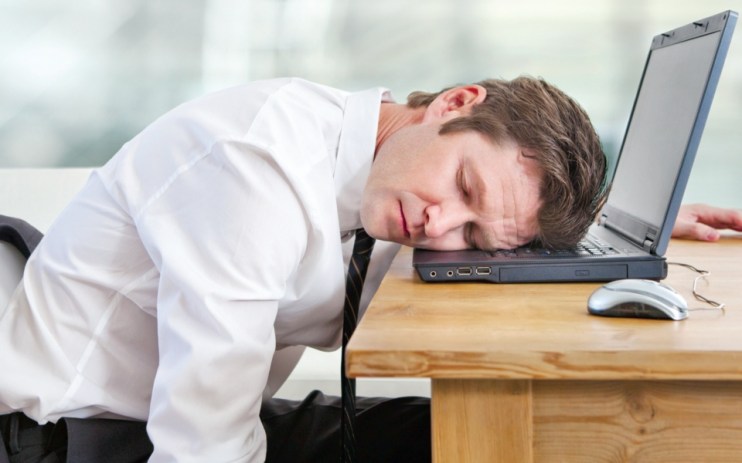
You don’t get enough sleep. I don’t get enough sleep. There’s a meme doing the rounds that nails it: it says adulthood is just being tired and explaining to other people that you’re tired and listening to other people talk about how they’re tired. But not getting enough sleep is much worse than simply being tired (as if that weren’t bad enough).
Sleep is so much more important than we give it credit for. People don’t understand the power it has on our day-to-day health. You can effectively link sleep deprivation to almost every aspect of our biology – it has an impact on every organ in the body; it exacerbates diseases including cancer and dementia; it impedes skill development, memory, growth, mental health, you name it.
Matthew Walker, author of Why We Sleep, has studied the field for more than two decades and argues that we have never fully grasped the power of sleep or why we need it. More and more research is emerging that argues we have sleep-walked into a catastrophic sleep-loss epidemic.
How much sleep do we need?
The ‘eight hours a night’ rule, like the ‘eight glasses of water a day’ rule, isn’t exactly scientific, but it’s a decent enough rule of thumb. And in my experience, people in the City get far less than eight. Even with the weight of evidence, there’s still a ‘you can sleep when you’re dead’ attitude, with people priding themselves on grabbing a few hours shut-eye between long shifts and boozy nights. Then add in stress, long commutes, caffeine, the amount of light we’re exposed to throughout the day…
There’s also research that suggests sleep affects mental health in unexpected ways. Dream state has been proven to help improve memory, but it can also help us forget, which has therapeutic benefits for many people, including those with anxiety. Allowing your body and mind to rest could be the solution to improving many areas of your life.
A few weeks of six hours shut-eye a night will classify you as sleep deprived, even though most of these people won’t even realise it. And the number of people who can survive on five hours or less of sleep without any issues is a big fat zero.
Sleep is also essential for skill development. When learning new information – a new language, for instance – studies have shown that people who slept for a full eight hours remembered significantly more; crucially, the final two hours of sleep appeared to be the most important for processing this information. So the next time you learn something new, make sure you get a good night’s sleep to process it all.
And if you are training, sleep has an especially important role to play. Much of the recovery from the exertion and torn muscle tissue occurs when you have tucked in for the night, and you’ll find your body responds better to training if you give it some welcome down-time afterwards.
I always talk about the power of awareness when it comes to improving health. Some of the key points I focus on are nutrition, activity and sleep, which many of our clients are oblivious to. No one comes into our gym saying their number one goal is better sleep, even though we all know we perform better after a solid rest. We have more energy, we can train harder, our mood is better, we are more focused and recover better.
Many people think they sleep more than they actually do, which is where effective sleep monitoring can help. There are a number of sleep applications available that monitor activity and movement throughout the night and can give you lots of information on the amount of sleep you get; Sleep Cycle is a great one. I’ve noticed that clients who start tracking their sleep tend to sleep better after just a few days, with the data helping them to improve their sleep preparation routines. If you know how little you sleep, you are able to make meaningful changes.
Creating a routine is a key factor in getting better sleep. Aim to go to bed and wake up at similar times each day to keep your body clock consistent. Remove all unnecessary light from the bedroom – LED lighting from your devices will affect melatonin levels, which will impact your sleep. Avoid using smartphones and iPads after a certain time. This will also help you unwind before bed, decreasing your anxiety levels.
The thought of a cosy room might be alluring, but heat can have an adverse affect, so you’re better off in a relatively cool room.
Everybody knows they should avoid caffeine after 2pm and this goes for nicotine, too. These stimulants stay in your system and have been shown to impact your sleep quality. It’s easy to get into a cycle of drinking caffeine because you’re tired, which causes a disturbed night’s sleep, in turn making you crave more caffeine, and on and on and on. Also cut back on alcohol, which can keep you in a lighter stage of sleep and make you feel groggy the next day. One or two of you might have experienced this for yourselves…
Finally, increase your activity and exercise. Exercise will help your sleep and sleep will help your exercise. It’s a win win.
If you’re struggling to get your eight hours, I highly recommend picking up a copy of Why We Sleep – it’s a great read and has been a game-changer for me.
• Harry is a personal trainer, life coach and co-founder of No1 Fitness gym. Go to no1fitness.co.uk to book a consultation and for more information.