Howard de Walden Estates posts record rent from booming Harley Street health hub
The historic landowner’s income rose sharply as its Harley Street health district becomes a cradle‑to‑grave private‑care destination.
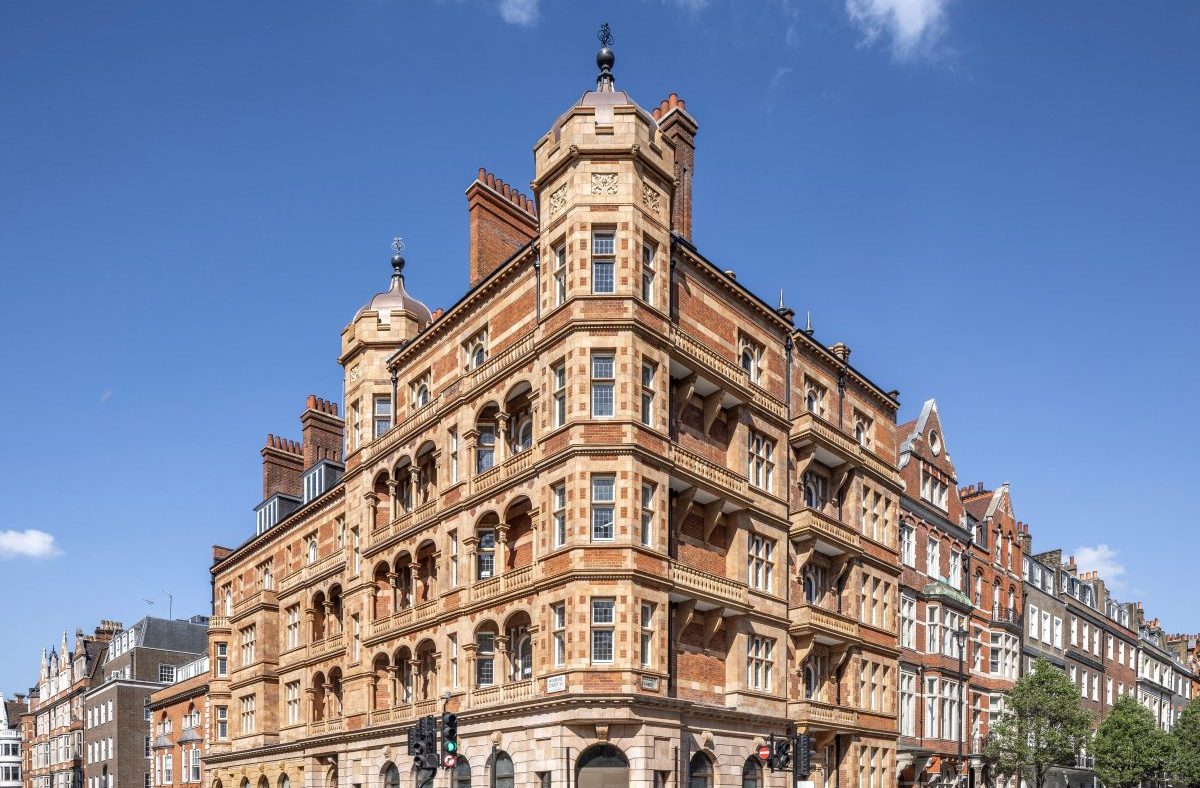
Howard de Walden Estates announced that rental income from its Marylebone portfolio jumped 9.3 per cent to £179.4 million for the year ending March. The increase was powered by soaring demand for the estate’s flagship health precinct on Harley Street, which now markets itself as a full‑cycle private‑health destination.
Why the health district matters
Chief executive Mark Kildea told City AM that the Harley Street cluster is the "jewel in the crown" of the billion‑pound empire. By attracting world‑leading specialists and private‑sector‑NHS partnerships, the estate offers everything from GP appointments to intensive‑care facilities on the same streets.
You can go and get a GP appointment here, you can have day surgery, you can be an overnight patient, you can be imaged on the estate and you can have intensive care treatment.
The concentration of cutting‑edge providers is rare outside a government‑backed system. Kildea warned that without the innovation coming from Harley Street tenants, the UK could face what he calls “healthcare bankruptcy”, as the public system struggles to meet demand for specialist services such as mental‑health and women’s health care.
Residential side and market backdrop
Beyond the health hub, the group controls a £1.2 billion residential arm centred on Marylebone Village. Rental income from these homes rose six per cent to nearly £41 million, even as prime London prices have softened. Finance chief Andrew Griffith noted that growth has slowed but not collapsed, creating a more affordable niche for long‑term residents.
Neighbourhoods such as Mayfair, Belgravia and St John’s Wood have seen price drops of over a quarter, while Kensington and Chelsea fell almost 15 % in June. The estate’s leadership sees this as an opportunity to foster a "village feel" in the heart of the capital.
Looking ahead
Chairman Sir William Proby said the 27.5 % rise in pre‑tax profit to £97 million demonstrates resilience amid a challenging economic climate. The family paid a £49 million dividend, signalling confidence in continued cash flow.
Analysts expect the health district to keep attracting high‑margin specialist services, especially as NHS waiting lists ease but capacity gaps remain. For the residential side, a steadier rental market could support longer tenancy periods, reinforcing the estate’s community‑oriented positioning.
Overall, the dual focus on premium health services and a curated residential environment positions Howard de Walden Estates to benefit from both the growing private‑care appetite and the search for stable, high‑quality London rentals.