Hunt readies for biggest budget since Cameron and Osborne’s first outing
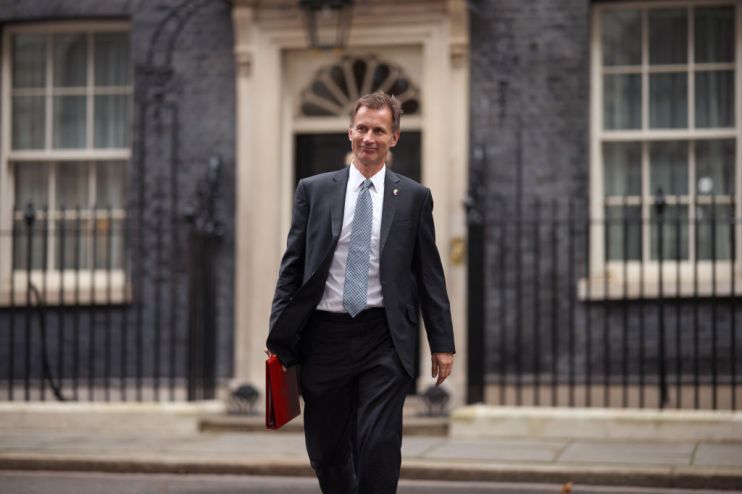
Thursday’s budget (okay, Autumn Statement) is the biggest since David Cameron and George Osborne’s first statement in 2010, just after they seized the keys to number 10 (with a little help from the Liberal Democrats) from Gordon Brown’s Labour.
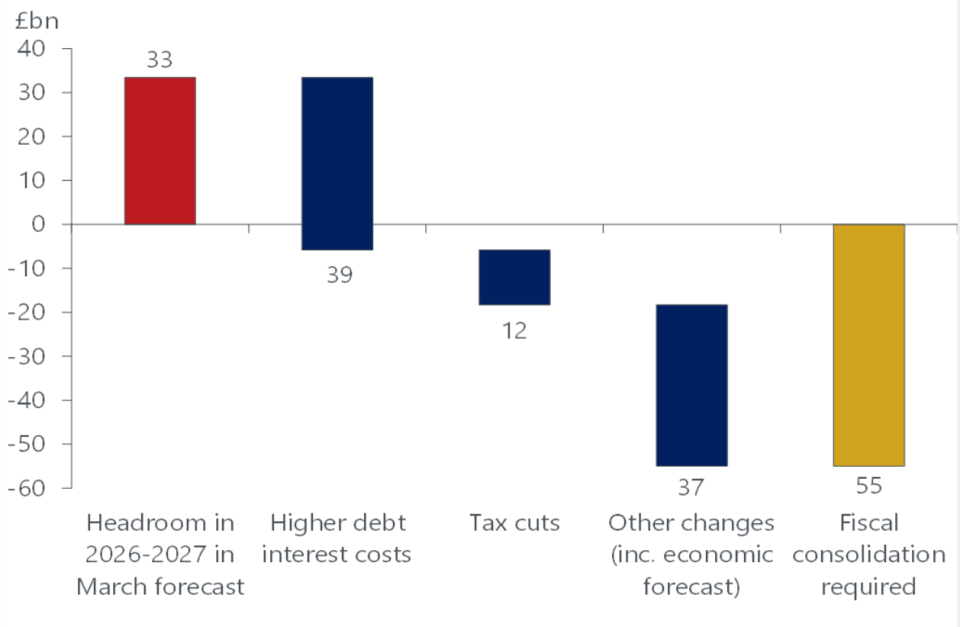
Chancellor Jeremy Hunt faces a daunting task. Weaker than expected economic growth, high inflation and a huge energy bill subsidy scheme has burnt an around £55bn hole in the public finances that Hunt needs to fill to hit his fiscal targets. They are: getting debt as a share of the economy falling in three years and not borrowing to fund day-to-day spending.
The economic landscape is a far cry from just a couple months ago when former prime minister Liz Truss launched £45bn worth of unfunded tax cuts. UK fiscal policy has swung over £100bn.
Hunt wants to avoid triggering the wrath of the bond markets by showing he is fiscally credible. Morning Wire examines the options available to help him achieve this.
OBR March 2022 forecast changes spell £55bn fiscal hole
Expanding energy windfall tax
Back in May, when chancellor, prime minister Rishi Sunak launched a 25 per cent windfall tax on oil and gas producers in response to intense public pressure to soften the boost the sector has absorbed from Russia’s invasion of Ukraine raising global energy prices. The move meant these firms were paying a headline rate of 65 per cent on their profits. Hunt and Sunak are expected to raise the rate to at least 30 per cent, expand it to include electricity generators and extend it to 2028.
Revenue raised: At least £13bn
Reinstating national insurance rise
Reintroducing the 1.25 percentage point national insurance rise that was scrapped by Truss on 23 September would be easy to implement. The levy applies to a broad base, meaning it would generate a lot of money for the government. But, it targets working people, risking disincentivising employees from working more and people entering the workplace altogether. It also adds to employers’ costs, which, on the margin, could be the difference between hiring and not hiring someone.
Revenue raised: £15bn
Raising income tax
Income tax, apart from VAT, is the broadest levy in the UK. It catches pretty much everyone. It is progressive, meaning people pay more relatively and in cash terms as their income increases. Hunt has indicated richer households will have to shoulder some of the pain of putting the finances on the right track. Raising the top rate of income tax would not generate a huge amount for the government. But, done alongside raising the basic rate to 21p from 20p would yield a big windfall for the treasury, it would be fairer.
Revenue raised: £5.2bn basic rate, £85m additional rate
Freezing inheritance tax relief
Freezing the threshold at which deceased – in some cases currently £500,000 and £1m for people passing on their estate to their partner – pay inheritance tax “could raise revenue from those with the broadest shoulders and avoid putting the extra tax pressure on working people whose pay packets are already shrinking,” James Smith, research director at the Resolution Foundation, told Morning Wire
Naysayers refer to inheritance tax as a “death tax”. That is what it is, in essence. It is currently charged at 40 per cent on the value of an estate above the qualifying threshold. Making the regime more punitive could discourage wealth generation, reducing the treasury’s tax take.
Revenue raised: Threshold freeze, £500m
Cutting capital gains tax allowance
At the moment, households can sell stocks, houses and other assets and make £12,300 of profits tax free. Above that amount, basic tax payers typically pay 10 per cent, but rates can hit 28 per cent for richer households selling homes. Reducing the point at which tax on profits applies to £6,000 would mean a greater volume of asset disposals are caught by the tax. It is in effect a tax rise, but done via the back door.
Revenue raised: Around £1.8bn
Freezing income tax thresholds
Back in March 2021, now prime minister, and then chancellor, Rishi Sunak froze the thresholds at which people start paying different rates of income tax for four years. Then, the measure was expected to raise £8bn by 2025/26. Now, because of soaring inflation, the policy could generate as much as £30bn. Hunt and Sunak are expected to extend the income tax threshold freeze until 2027/28.
Revenue raised: £5bn
Raising benefits and pensions in line with wages
For years, the triple lock has been the Conservatives’ means of retaining the so-called “grey vote”. Under the measure, pensions rise in line with wages, inflation or 2.5 per cent, whichever is highest. Since inflation is running at 10.1 per cent, government spending on upgrading pensioners’ entitlements are set to balloon above their recent trend. Similarly, benefits also tend to rise in line with inflation. The policies are intended to protect the most vulnerable from being squeezed by rising prices. But, because inflation is now racing ahead, it is very expensive to do so. Hunt and Sunak may instead raise benefits and pensions in line with wages, much lower than inflation.
Spending cut: £11bn
Slashing investment spending
Running against Cameron and Osborne’s post-financial crisis austerity profile, Hunt is set to lean more heavily on tax rises than spending cuts. One area that the axe could fall on is government investment spending, on things like roads and infrastructure. Cutting capital spending to 4.4 per cent of GDP, instead of the current 4.8 per cent target, would cover around a third of required spending reductions. But, government investment spending typically boosts growth, meaning reining it in could require further tax hikes or spending cuts later on.
Spending cut: £10bn
Keeping the bank surcharge
UK banks have already had to shoulder an effective windfall tax on their profits since the financial crisis. Taking together with the six percentage point corporation tax rise in April, they will be subjected to a headline tax rate of 33 per cent, much less competitive than the UK’s international counterparts. Given the EU and UK have yet to fully reach an agreement over recognising each others’ financial services regulatory regimes, finance firms may be incentivised to reduce their presence in the UK, cutting the treasury’s tax take in the long run.
Revenue raised: £1bn
Narrowing energy support
Right now, typical household energy bills will not top £2,500 a year. The government is covering the difference between the cap and how much it costs firms to supply households. A similar scheme is in place for businesses, at a massive cost to the treasury. Hunt reduced the initial support to six months from two years, saving some money, but said from April, the package needs to focus on vulnerable households and sectors. He could raise the cap to £3,250 and boost universal credit payments to ensure money reaches those most needy.
Spending cut: £14bn
Raising VAT
Broad based and would be easy to administer. Also easy to exempt some goods and services that have either risen substantially in prices or that the government wants to increase spending on. However, VAT Very unfair as it is a flat tax that does not take into account income or earnings. In cash terms, richer households will pay more if VAT rates rise due to this group spending more. However, on a proportional basis, poorer households will shoulder more of the rise due to their spending on things like food, energy and discretionary representing a bigger chunk of their budgets.
Revenue raised: £7.5bn