I read 100 books in 2 years. Here’s what I learnt.

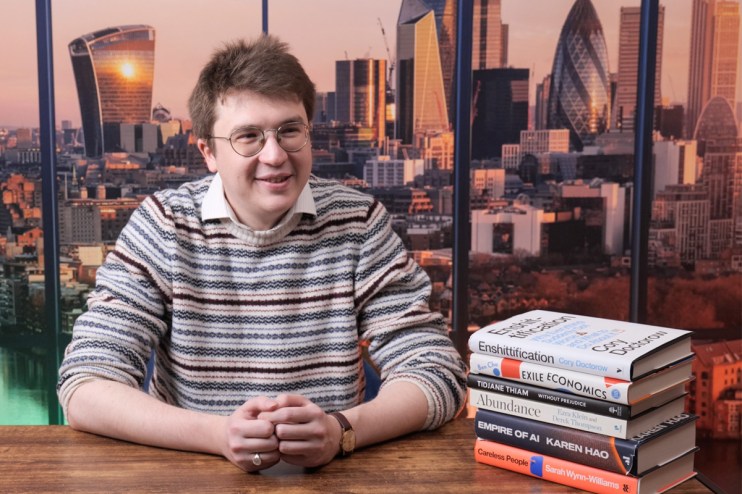
As I write this, I am in the final days of the longest reading marathon of my life. In January last year, I set a challenge to read 52 books in as many weeks. Having (just) completed my goal, I set another to read 48 this year, to finish at 100 (journalists like round numbers).
Never have I read so much in such a short time. I’ve hardly set a world record, but this was about my limit while maintaining a normal life and having a job. There was no careful formula for what I chose to read. My guiding light was whatever caught my eye on a periodic wander around Charing Cross Foyles, though that did bias me towards recent releases.
I scoffed when the columnist Janan Ganesh last year insisted against reading contemporary books. Nonsense, I thought. The reason to read is to learn about the world; as books get older, their value surely diminishes.
A year on, my defiance has waned. Plenty of new books are compelling – but plenty more aren’t. I was surprised by how many modern works focus on the same narrow subject matter, even while the variety of options has never been wider.
I was also surprised at the saminess of many contemporary works of non-fiction. It’s practically a sin, for instance, for a non-fiction writer not to pay homage to Daniel Kahneman’s Thinking Fast and Slow by the middle of their third chapter. And after reading a dozen of them, I refuse to pick up another book on AI: no one has anything new to say.
Newer books strike me as a little less polished – the writing is more clunky and wordy and the incidence of typos is higher. That is partly a result of the economics of modern publishing, in which only a thousand sales can propel an author to a best-selling list, depending on the category.
The older books I read were generally far better at holding my attention – the rhythm, register and vocabulary were all richer and more idiosyncratic. Writers of past eras seem more worldly; they had a firmer grasp of where their subject matter sat within space and time. By contrast, modern US writers in particular exhibit the thinnest grasp of anything that takes place outside of their own country.
Learning how to read
To disabuse readers of any early conclusions: no, I’m not about to declare my foray into books a waste of time. Anything but. Yes, the drearier titles were a drag to wade through but above all, I rediscovered a love of reading.
Not since university had I picked up so many books – and back then, I rarely read them cover-to-cover. Like most humanities graduates, I completed my degree with a feeling of book fatigue, and went a year or two reading barely anything.
The first challenge I faced was learning how to read again. I was shocked by how hard I found it just sitting with a book on my lap. Hours of scrolling during the pandemic had done things to my brain. The urge to reach for my phone after a page and a half was startling. I realise I do not struggle alone: I’ve stopped gasping when friends say they’ve read nothing in months, nor when they share their iPhone screen time stats.
Two years on, I can comfortably get through ten or fifteen pages before my mind seeks a diversion. Better still, the endless dopamine spurts from smartphone notifications have dulled – more often than not, they have become an annoyance.
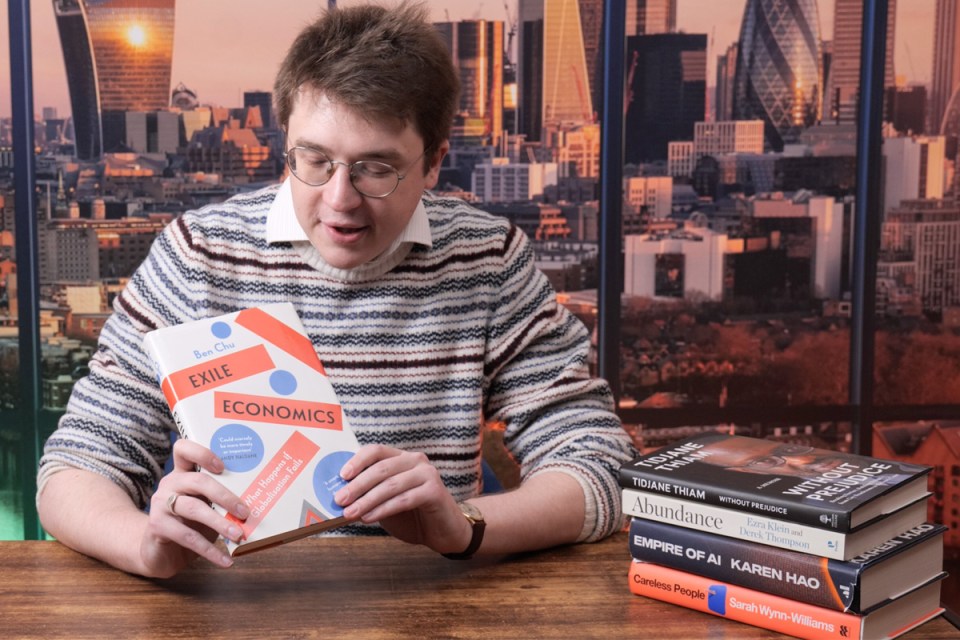
The Times columnist James Marriott is perhaps the best-known chronicler of the dangers of smartphone addiction. He suggests we could be living past the peak of literacy rates – and he is in no doubt about the culprit.
I’m less convinced smartphones are to blame. The late American writer Neil Postman’s 1985 book Amusing Ourselves to Death (my 88th read), in which he fears the television is turning us all into simpletons, shows moral panic over technological advances is nothing new.
I don’t think smartphone use necessarily corrodes the mind – but choosing not to spend hours using one requires serious willpower, like never skipping gym days until those abs are rock solid. If anything, my foray into books has made me more keen on opening magazine and news apps and less keen on ones that blast me with ‘content creator’ posts and AI-slop videos.
The literary life
Like hitting the gym, hitting the tome each day delivers tangible improvements over time.
I am convinced I am a better person through my reading habits. I sense a renewed intellectual curiosity. I understand the world better. My grasp of the cultural and economic forces shaping it is more acute. I know when to be intrigued and when to smell a rat. My writing is smoother, more succinct. I am a sharper editor. I am also more introspective – and perhaps more pompous.
I am also a more discerning reader, now. A well-crafted book is, to me, like a vintage sauvignon to a sommelier. But it takes many mouthfuls of cheap plonk to tell the good stuff from the bad – which is why I don’t regret reading the books I didn’t like.
Of which there were several. To name a few: Tom Chatfield’s Wise Animals, which chronicles human evolution, was needlessly verbose; Travis Rieder’s Catastrophe Ethics, a book about forming ethical rules in times of crisis, was catastrophically bad at coming up with any; Ian Goldin and Tom Lee-Devlin’s Age of the City, an analysis of the importance of urban centres, was just a long list of pedestrian observations.
But the books that may soon find themselves in my high street Oxfam were dwarfed by the numbers that will stay on the shelf. Those include Careless People by Sarah Wynn-Williams; Dana Mattioli’s The Everything War; Madoff, the Final Word by Richard Behar, The Everything Blueprint by James Ashton and, most bizarrely, a 1970s book on the history of WH Smith (who knew 500 pages on a stationery shop could be a page-turner). What united all of them was a deep, forensic knowledge of the subject, whether from personal experience or serious research.
Read more: Six of the top business books of 2025
With 100 books down, what now? I will slow the pace next year, allowing time for other things, other people. After a two-year reading obsession, I need a new hobby. but my penchant for a good book is here to stay.
Instead of Foyles I plan a foray into the nicher corners of the book world, to seek out old favourites and rediscover forgotten gems. So far I’ve largely steered clear of fiction – why spend ten hours on a book when you can watch the film adaptation in two, my utilitarian mind barks at me – but that is a personal shortcoming I want to confront.
A part of me wants to write something of my own – but I’m more aware than ever of what a bad book looks like, and the effort required to make it good. Maybe one day.