I went to Auschwitz with Holocaust survivors. It was shocking, but so memorable

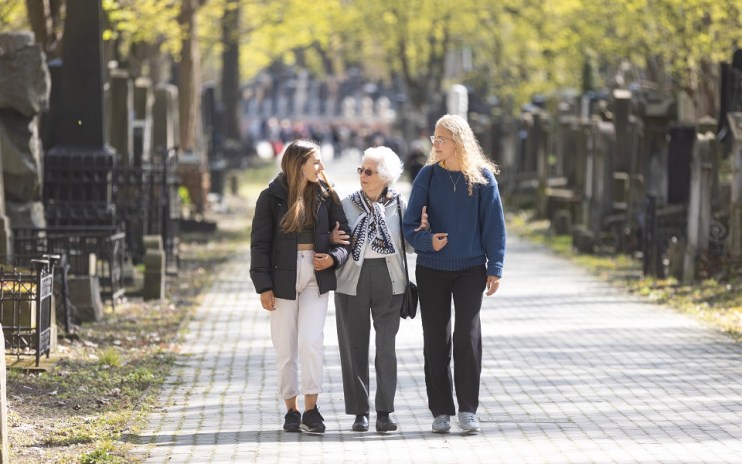
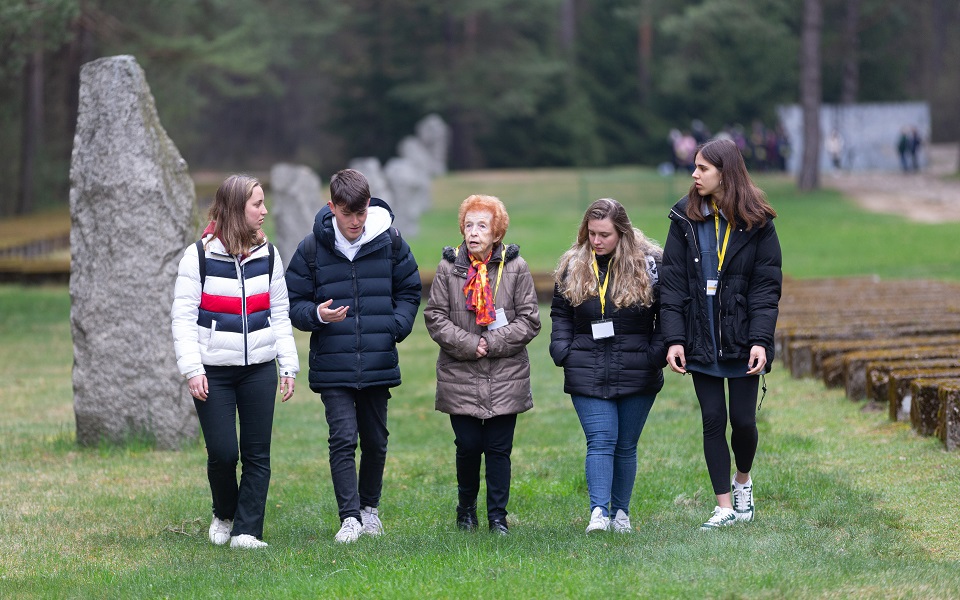
Survivors, now in their 90s, return to Holocaust sites to take visitors on tours for the annual March of the Living. Daniel Edward went along
I’m not generally a nervous traveller, it would be something of a professional impediment, but I must admit to being nervous of visiting some of the most horrific sites of the Holocaust in Poland, with March of the Living UK. I wasn’t nervous of the places themselves; I was nervous about how I would feel, or if I would feel anything at all.
March of the Living is an annual Holocaust education trip, led by expert educators and accompanied by survivors of the Nazi atrocities. Without these survivors, I doubt I would have visited these depraved sites. I don’t see Auschwitz as a sacred pilgrimage as some do, and I avoid what I call “terror tourism”, making a holiday out of someone else’s tragedy. But to hear the first-hand testimony of Holocaust survivors back where it actually happened is a rare privilege and, with the passing of time, only getting rarer.
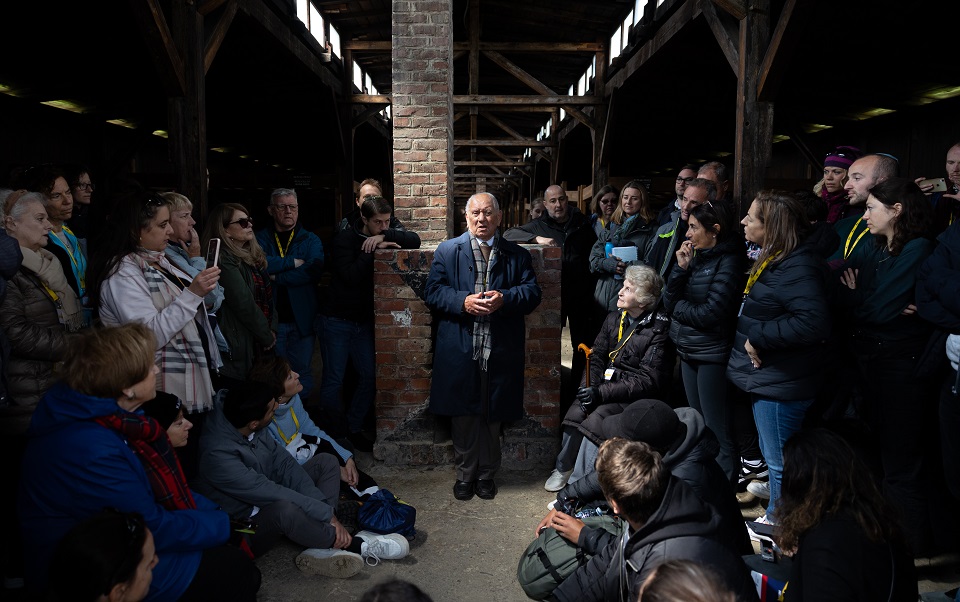
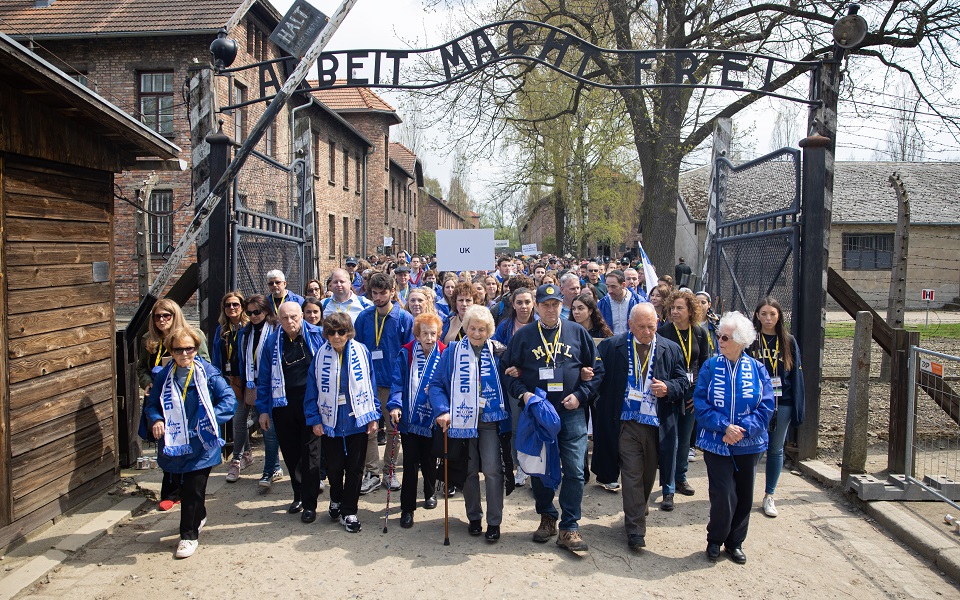
The 300-strong UK delegation is a mixed bag. There are plenty of Jewish people – of course – but also non-Jews. Some come for education, others to honour their families, others to learn something about themselves. But this trip really isn’t about us, it’s about victims who were murdered and victims who survived.
Belzec shocks me. Today, the site is covered by a memorial, protecting the 31 mass graves below from the ravages of wild dogs that Harry witnessed when he first visited three decades ago
My group is joined as we journey from Warsaw to Krakow by Harry Olmer, who was 12 when war broke out in Poland. Taking a pit stop in the grand Yeshiva (Jewish Study Centre) in Lublin, Harry starts to tell us his story. He speaks quietly, still with his Polish accent, and there’s an urgency amongst the group to be close to him so as not to miss a word. Originally from a small town called Sosnowiec, close to the German border, Harry recalls the “disorganised Polish army” retreating from the invading Germans and remembers not understanding why.
His father, grasping the danger, split the large family of eight for safety and sent Harry’s mother and older siblings ahead to stay with their grandmother in a neighbouring town, while Harry remained with his father and two younger sisters. Harry’s story is harrowing. There were countless brushes with death and months of torturous physical labour in a munitions factory, supplying weapons for the German army, and even being forced to build future concentration camps.
In a twisted logic though, every minute of slave labour was saving his life – if you weren’t useful, you were dead – but that’s no consolation in the midst of the horror. The last time Harry saw his mother was in a cold, damp field where they had camped for four days awaiting onward transport. When the trains arrived, prisoners were selected for different transportation: no one survived his mother’s final journey.
The Nazis’ gut-wrenching records show trainloads of victims – predominantly, though not exclusively Jewish – were murdered in Belzec. In muted horror, we join Harry as he returns to his mother’s final resting place for a sixth time. Belzec shocks me. Today, the site is covered by a memorial, protecting the 31 mass graves below from the ravages of wild dogs that Harry witnessed when he first visited three decades ago.
The memorial itself is visually arresting – a blackened, almost volcanic landscape – but the real stop-in-your-tracks surprise is how small it is. Belzec is smaller than a primary school playing field, yet within just a year this very square exterminated 600,000 people. That’s the equivalent of killing every single person who passes through Waterloo station (London’s busiest) for the entirety of the next three days. In 1942, no one stayed a night in Belzec.
Unlike Concentration Camps, Death Camps had no need for barracks – they arrived, they undressed, they were gassed to death. Harry lights memorial candles for each of his family members murdered here and says a memorial prayer – he’s not the only one crying. Back on the coach, Harry tells us of the recurring nightmare that haunted him after the war. He could see his mother on the other side of a low brick wall, but the wall kept getting higher until she disappeared. This experience is clearly horrifically gruelling, so I ask why he came back to Poland this year.
Harry’s answer is matter-of-fact: “In England, lots of people who’ve lost their family, their loved ones, they’re buried in the cemetery and they usually go and visit the grave. That’s the reason I come here too.” He’s visiting his Mum. Harry’s answer drives home the personal grief attached to the Holocaust, an intensity of emotion that I was anxious I wouldn’t be able to connect with, coming from a family that wasn’t caught up in the Nazi Holocaust – though that is purely by dint of the fact that the Russians had taken a pop at my family in the 1900s and so they had already fled to safety in London.
The Holocaust isn’t a holiday, it’s not a place to visit architecture, cafes or art galleries, which is why our final destination – Auschwitz – troubles me so much. Without Harry, I doubt I could have connected with Belzec beyond it being a memorial site, so I can’t help but feel uneasy when Auschwitz is pitched as a top tourist destination – it feels distasteful to rank it as a great day out near Krakow. People have already desensitised to the reality that this particular death camp – where the art of mass-murder was finetuned in the demented Death Block – is the site of the single largest systematic extermination of human beings the world has ever known.
Tourists traipse through Auschwitz as they do the Colosseum in Rome or the Pyramids at Giza, oblivious to the number of slaves who lost their lives there. To add insult to injury, Auschwitz now has a restaurant and charges visitors to use the toilets.
Within just 85 short years, tourists traipse through Auschwitz as they do the Colosseum in Rome or the Pyramids at Giza, oblivious to the number of slaves who lost their lives there. To add insult to injury, Auschwitz now has a restaurant and charges visitors to use the toilets. Few signs of personal suffering remain – even before museum curators repurposed blocks for anonymous displays of spectacles, shoes, and mounds of human hair, the Nazis had blown up us much evidence as they could when they fled – but names etched into bricks speak of prisoners’ haunting desperation to be remembered.
I was worried I wouldn’t be able to muster the emotional response these horrific sites warrant and in a way I was right. I feel very little in response to the mummified museum of Auschwitz, but I will never forget Harry’s solitary voice as he prayed in memory of his mother at Belzec. Hitler’s death camps now lie silent and peaceful, in some cases, with wild flowers and skipping rabbits, they are serenely pretty. But these aren’t places you visit with your eyes, they’re places you visit with your heart and if you have the opportunity to become a witness with one of the surviving survivors, I urge you to take it.
Do it yourself
Tickets for young adults (18-35) cost between £299- £649 and the full-price cost for adults (36+) is £1,899. This price includes all transportation, accommodation and food. For more information and to register an interest in the 2024 March of the Living, visit: marchoftheliving.org.uk
Find more travel inspiration at Morning Wire Travel