If Starmer wants to cut foreign aid, here’s where he should start

Keir Starmer has announced plans to cut the foreign budget to pay for increased defence spending. He should start with the billions we hand out to the global quangocracy, says Elliot Keck
Keir Starmer may not deserve much credit for his time in office so far, but at least on defence spending he’s shown leadership. While intelligent voices have disputed some of the figures, and there are definitely questions to be answered, this is an important and hugely welcome shift.
For years we’ve had successive ministers talk about their ambition, their goal, their hope of boosting defence spending. They’ve hammered home the importance of maintaining two per cent of GDP on defence. In reality, even maintaining this has required creative accounting practices, where spending on things like military pensions and contributions to UN peacekeeping have gradually been included.
It’s only been in the last five or six years that defence spending has seen anything remotely resembling a sustained increase. And it’s been lethargic, despite the mounting threats the UK faces.
In particular, despite a general consensus about the need to boost defence spending to 2.5 per cent of GDP, there has been relatively little serious thinking about how to pay for it. A pressing problem given the UK’s national debt is increasing by £6,284 per second and we already pay well over £100bn in debt interest alone. On this, Starmer has been crystal clear: it will come from a cut to the aid budget from 0.5 per cent of gross national income to 0.3 per cent.
Advancing our national interests
To anyone with a modicum of common sense, this is an obvious move to make. As well as being horrendously wasteful, foreign aid has unambiguously failed to enhance our national interests. Pakistan has shown no willingness to take back their citizens who have been involved in grooming gangs, while other recipients of UK aid routinely vote on the other side in UN resolutions. Certainly foreign aid, when directed to genuinely humanitarian efforts, will have saved lives. At 0.3 per cent of GNI, it can continue to do so. But foreign aid also goes towards poetry workshops in Colombian jails and studying shrimp health in Bangladesh. We can no longer afford to devote British resources to such virtue signalling nonsense. Making life easier for British bureaucrats attending dinner parties is not the same thing as defending the national interest.
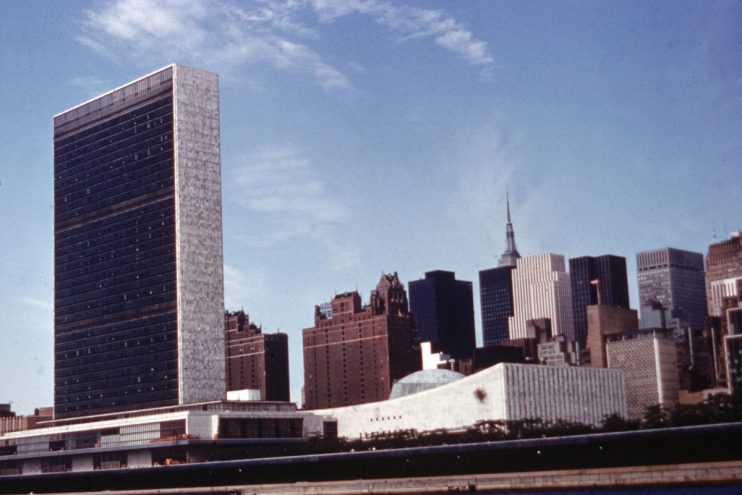
But there is no doubt that cuts of this scale will require making difficult decisions. Fortunately, there is a huge chunk of UK aid spending which should obviously be first for the chop: the billions handed out to the global quangocracy. That means the United Nations and its subsidiaries, as well as an assortment of other bodies.
Many will blush at this suggestion. After all, the liberal world order served us well for many decades. Membership of international institutions enhanced our soft power even while our hard power diminished.
That world is gone. Soft power no longer moves mountains. The presence of BBC Pidgin does not keep the British people safe and secure. The fact we pay more to the WHO than any other nation bar Germany and the United States will not make an Islamist extremist think again when he picks his weapon of choice.
Not only do these organisations not deliver the value for money they once did, they frequently work directly against our national interest. From the promotion of an international tax regime that would harm our competitiveness (the OECD), to the puritanical promotion of the nanny state agenda we are not only seeing the benefits shrink (the WHO), we are seeing the downsides grow.
That does not mean immediate withdrawal. Even now that looks premature. But much of our funding would be better used on alternative priorities. Most notably, towards the boost in defence spending we so desperately need, and which looks finally to be taking place.
Elliot Keck is head of campaigns at the Taxpayers’ Alliance