If we can plan for nuclear reactors on the moon, we can relax planning here in Britain

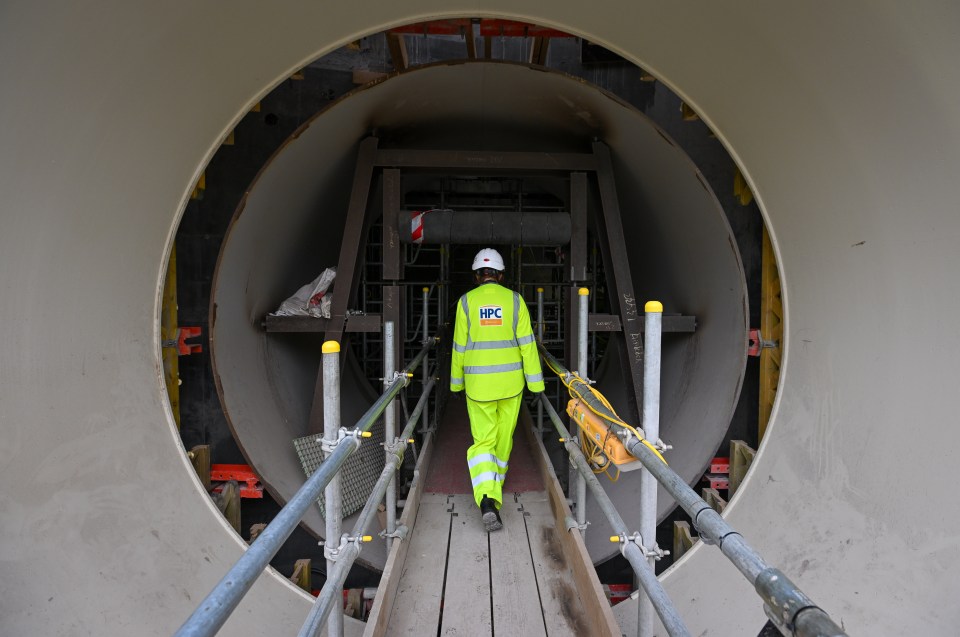
If we don’t relax our planning rules, we’ll never be able to get the infrastructure for the amount of green energy we need – and our problems with nuclear are clear proof of this, writes Alex Petropoulos
The government wants to build a nuclear reactor on the moon. Yes, you read that right. The UK Space Agency has backed Rolls Royce scientists to find a way to use nuclear power to live and work on the moon, before we even have it comprehensively in the UK.
The reason is familiar: excessive regulatory overhead, a broken planning system, and fickle public opinion. Small modular reactor nuclear technology could transform our current clean energy system. At just 10 per cent the size of a traditional nuclear power plant, small reactors are a strategic move away from megaprojects which struggle to gain approval. This new approach will take up less space and less money. As a consequence, they should be much cheaper, safer and faster to build.
It will also be a crucial part of the shift to green energy. Alongside a mass swap to renewables, fully decarbonising the grid will require nuclear power to compensate for weaknesses in renewable energy – such as maintaining a baseload supply.
Nuclear already meets a quarter of our electricity demand. But by 2030, all but one of our existing reactors will be decommissioned. The obvious solution should be building new electricity generation as fast as possible.
Unfortunately, we aren’t doing that. In the most recent budget, the government reclassified nuclear as green energy, allowing it to benefit from new funding. But more regulatory barriers block progress. The newly created nuclear body, Great British Nuclear, has made small reactors’ funding contingent on approval from the Office for Nuclear Regulation, which won’t happen until 2024 at the earliest.
This bureaucracy is getting in the way of developers scoping out potential sites and building local support.
The UK’s last nuclear project to get approved, Sizewell C, had to submit 44,260 pages worth of environmental planning documentation, despite being built on a site with two already approved nuclear plants. The average size of planning applications for major infrastructure projects has increased threefold since 2012.
Because of the delays, infrastructure projects’ costs balloon. Even those that have received regulatory approval commonly face construction delays from legal review. Even now, environmental campaigners are trying to slow down or even block the construction of Sizewell C.
Our convoluted system doesn’t just block nuclear projects. It hinders all clean energy construction. If even a single Brit opposes the construction of an onshore wind turbine, the entire project risks being scrapped. Our planning system has effectively banned building the cheapest and most abundant source of clean energy.
It gets worse. Locals across the country have been blocking the construction of critical electricity infrastructure which gets power from the generator to your home. No new solar, wind or nuclear can be built without upgraded transmission infrastructure. To decarbonise our grid in time, we’d need to increase our current rate of transmission construction by five times. Instead, our stringent planning laws are slowing them down.
We’re standing in our own way, and in the meantime, we keep relying on fossil fuels fast approaching their final expiration date. If not for the environment, we should loosen these rules to lower our utility bills — high energy prices are self-made. For a decade, it’s become harder and harder to build, but we can reverse that trend.
In space, no one can hear you scream opposition to critical infrastructure development, so things get built. If Britain wants cheap energy, it must first fix its broken planning system.