In AstraZeneca we trust: it’s not just about blood clots, it’s about understanding fears of young Britons

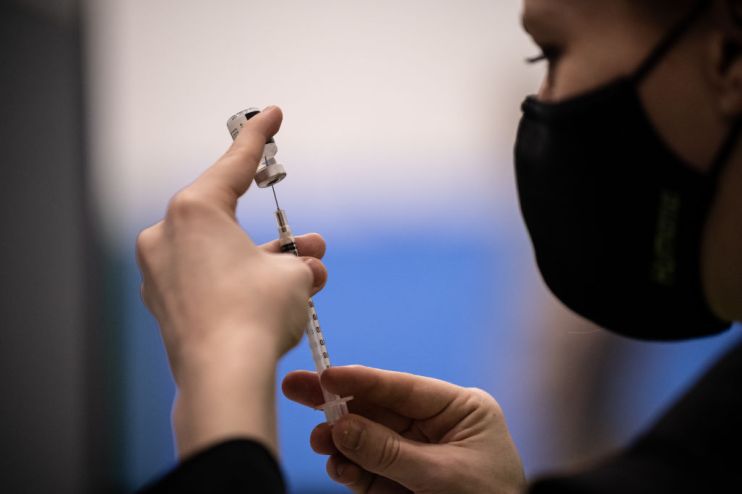
Few will emerge from the pandemic unscathed, but the young have made colossal sacrifices and suffered some of the worst consequences. University students have struggled to learn online, career opportunities have been hampered as jobs dried up, and those living in cramped quarters trying to combat loneliness, let alone date, have found lockdown particularly challenging.
While the virus has caused massive loss of life, the health risks of catching the virus are relatively low for the young, and most have been bearing the cost of lockdown and social distancing to benefit the older and more vulnerable. It is altruism at its finest. The news there could be added risks associated with the AstraZeneca vaccine for those under 30 will feel therefore like a cruel plot-twist. It will also increase anxieties for those just over the age boundary, in their 30s and 40s, who have mostly not yet received a first vaccine.
As the Government storms ahead in its vaccination rollout, ministers need to reassure the young they are essential in the fight against the virus. There needs to be an 80 per cent take up of the vaccine to protect the community and enable a return to normal life, according to the Royal Society.
But a worrying amount of people do not understand the crucial implications of the vaccine. This isn’t only about blood clots, which pose only a minuscule risk, but about the wider vaccination effort.
Many young people have already had coronavirus and believe they have already built up some immunity. Less than 70 per cent of people under the age of 35 thought it was important to be vaccinated even if you’ve already had coronavirus, according to a study by the University of Bristol and King’s College London.
Almost 20 per cent of 18-34 year olds reported last week that it’s “not worth getting the second vaccination as it doesn’t increase your level of protection very much”, compared with just 2 per cent of over 55-year-olds. While Boris Johnson and his ministers will undoubtedly seek to reassure people about the safety of the AstraZeneca vaccine, they must also understand the delicate nuance driving vaccine hesitancy among young people.
To bolster their trust, efforts to reassure them need to be targeted. People under the age of 35 are more than twice as likely to follow news updates on coronavirus via social media at least daily, if nore more. They were much less likely to follow news updates through traditional newspaper and broadcast media, so a concerted effort must be made to speak to them directly through channels such as Instagram.
Traditional authority sources and Government ministers hold less sway with young people who are desperate to return to normality. Almost a quarter of young people in fact reported that their trust in the Government had been dented by the communications drive for the vaccine programme. Rumours surrounding domestic use of vaccine passports has only fueled this distrust, with almost half of 18-34-year-olds fearful they will be discriminated against if they don’t have a jab.
The classic comms strategy appealing to our sense of civic duty will not effectively inspire those hardest hit by the ramifications of lockdown, but not the virus. Yesterday’s announcement from the UK medicines regulator will do little to reinforce this. Despite the objectively small risk associated with the jab, the announcement draws attention to it, making it “feel” more likely. The worst of all worlds would be for those who become too anxious about distant risks to delay or withdraw from vaccination, while neglecting the higher risks associated with further restrictions, or the virus itself.