Inflation leaps to 2.9 per cent in blow to Burnham

Inflation has leaped up following the reset of the energy price cap, official data has revealed, marking the likely beginning of a long run of increases in price growth.
The Office for National Statistics (ONS) put the consumer price index inflation reading at 2.9 per cent for the 12 months to July. The previous inflation reading was 2.6 per cent.
Services inflation, a measure closely watched by Bank of England policymakers given it provides signals on wage pressures, eased to 3.4 per cent while core inflation, which strips out food and energy, was 2.6 per cent.
“Upward pressures included furniture prices falling by less than usual for this time of year, and also a smaller fall for clothing prices due to reduced discounting,” Mike Hardie, deputy director for prices at the ONS, said.
“The prices of raw materials and goods leaving factories slowed again, driven by a drop of crude oil and refined petroleum respectively.”
Chancellor John Healey has said “Britain’s economy is resilient” despite the Iran war impacting “prices here at home”.
He backed government cost of living measures to ease pressures for families.
“We have cut VAT on electricity bills and capped bus fares at £2 – to give breathing space to those feeling the strain,” Healey said.
“There is more to do to restore hope and build a stronger economy where prosperity is shared more fairly across Britain.“
Shadow chancellor Sir Mel Stride said: “Price rises are accelerating once again under Labour. When the Conservatives left office inflation was bang on the two per cent target, now it has been above that level for 22 months in a row.
“This will be a worry for families across the country. Labour’s tax rises and business bashing have driven the cost of living higher and higher, yet Andy Burnham refuses to rule out yet more tax hikes at the Budget.”
Scott Gardner, investment strategist at J.P. Morgan Personal Investing, said July data showed the impact of the Iran war was feeding into household bills.
“Businesses are also facing higher input prices which are being passed on to buyers and could rise heading into the colder months later this year,” Gardner said. “Falls in services inflation and shop prices are helping to offset some of these pressures for now but the jury is out on whether this will last.”
Inflation troubles ahead
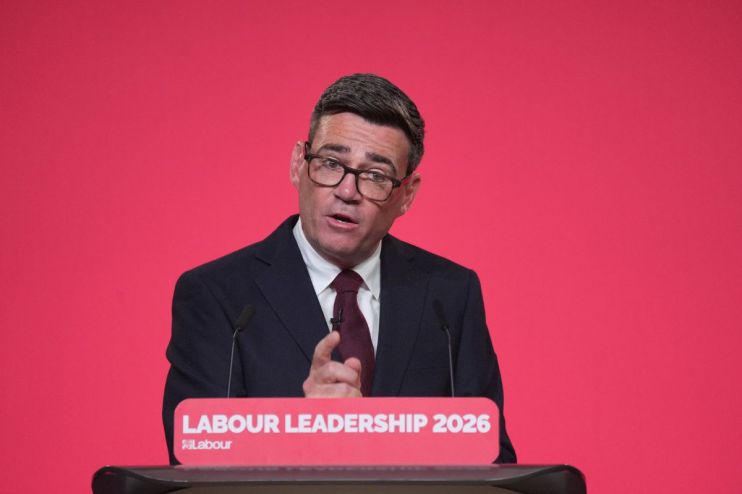
The sharper rise in prices in the year to July could put Andy Burnham’s cost of living push under threat.
City economists have widely said that inflation is set to peak later this year or in early 2027 at a minimum of about three per cent. The delay will come as the effects of volatile energy prices steadily pass through to UK households.
The last government under Sir Keir Starmer held that diplomacy with President Trump and leaders across the Middle East was the “best economic policy” to get bills down for households.
Before leaving Number 10, Starmer urged his successor to engage in foreign affairs. Burnham has partly come under pressure for failing to take charge of diplomatic matters, instead opting to focus on domestic issues.
On Tuesday, UK borrowing costs measured by 10-year gilt yields came to a near-two decade high as traders’ worries about interest rate hikes intensified.
The UK government sold medium term bonds with a yield of 5.155 per cent, the highest interest rate on any such debt since 2007.
The Bank of England recently warned that it would have to raise interest rates if disruption in trade flows of oil and gas across the Gulf region continued as a result of hostilities between the US and Iran.
Traders are largely split on whether the Bank may choose to hike rates over inflation fears at the next decision in September.
Felix Feather, economist, at Aberdeen said that markets were still “largely undisturbed” by the higher rate of inflation and retained an expectation that there would be “modest tightening” in monetary policy.
“Given evidence of a slowdown in underlying domestically generated inflation, as opposed to more internationally driven goods such as energy commodities, and soft labour market conditions, we see the Bank on hold for the rest of the year,” Feather said.
Higher borrowing costs could put government plans to ease the cost of living under further pressure, limiting the scope for tax cuts or extra spending that could strip costs from households and businesses.