Inflation is pushing prices up – but anticompetitive cartels could be too

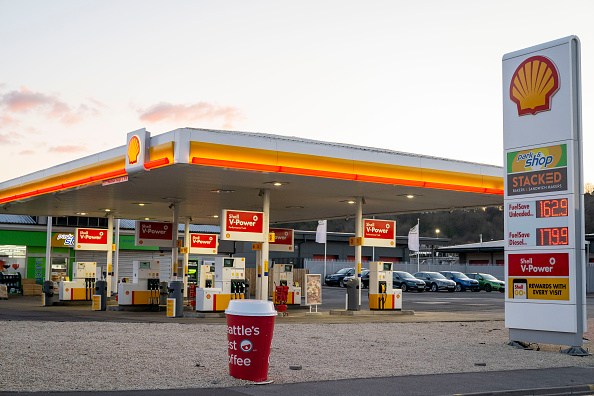
Tough times prompt more crime. It is a truism which, as usual, contains a measure of fact. Prices have been rising for months and a spike in fuel costs worldwide has created a perfect storm for cartel activity and prompted an unprecedented reaction from the world’s leading competition agencies.
One major concern is companies taking opportunities to work in concert to fix prices, often described as “the invisible thief”. It’s impossible to calculate how much is lost in total to cartels each year, but research puts figures at over $1.5tn in the last 30 years. To put that in perspective, it’s more than the estimated cost of reaching carbon net zero.
The Five Eyes nations – US, UK, Canada, Australia and New Zealand – have promised to work together and share intelligence as each country faces significant economic challenges. The joint effort is a warning to businesses; they plan to spot collusion by anyone using international “supply chain disruption” as an opportunity for crime.
The CMA warned: “while price rises can be legitimate (we) would be concerned if anti-competitive practices are contributing to these rises or preventing prices from coming down…with support and intelligence from partner agencies across the world we can step in and take enforcement action if we find evidence of anti-competitive behaviour.”
Clearly this is a dual message: on the one hand, if you are part of this, we are coming for you. On the other, if you’re suffering, we’re here to help.
Businesses are painfully aware of rising costs in every direction. The recent fuel price rises came in the wake of already-elevated oil and gas costs. Transport and other core commodities were seeing inflation too.
In such volatile circumstances, commercial risk increases. Past crises – such as the period after 9/11 and the 2008 global financial crisis – allowed cartels to form – and thrive. Partly to ensure individual businesses do not act out of step with competitors, and partly to provide certainty in uncertain times. But such collaboration shrouds unlawful antitrust agreements and price-fixing, and consumers bear the brunt.
Competition agencies will therefore be looking for proof points. The first is a similar pattern of surcharges imposed (by agreement) when costs rise. In the past, for example, there have been air-cargo surcharges to increase fuel prices. Currently there is much speculation around the sharp rise in liner shipping costs. Dawn raids on companies have already begun – the German competition authority raided cable manufacturers a few weeks ago investigating raw material surcharges.
Another practice sure to attract attention is any suggestion of market sharing to manage supply chain issues – whether agreeing routes or to manage capacity in times of shortage.
With pressures on households, many businesses want to be as transparent as possible with customers about cost pressures. But signalling price rises too far in advance could pique agencies’ interest. This isn’t a breach of competition law – but no matter how innocently intended, it can appear to be. Historically, competition authorities keep an eye out for these types of announcements – especially in investor presentations where timings, and even specific figures are made public.
But the announcement from the CMA isn’t just a warning. It also means companies can expect an open door if they want to present evidence to competition authorities; the CMA has already issued an open invitation to use their “cartels hotline” on supply chain collusion specifically. Businesses that feel they have been hard-used by suppliers have been given the nod they will be listened to, at least.
Rising prices affect everyone. Companies will want to ensure they respond appropriately, without running foul of the law. Many will also work hard to get the best deals for customers without being squeezed by cartels. Knowing the agencies are on their side should be heartening news – but they will want to be sure they continue to look beyond reproach.