Innovation Diary: Literary crowdfunding: How to create value in a demanding industry

DEMOCRATIC publishing has arrived. Amazon’s Kindle Direct Publishing allows authors to upload e-books, earn royalties from sales, while bypassing traditional publishing industry gatekeepers. Createspace does the same for physical books. Gumroad, meanwhile, lets designers, game developers, and musicians join writers in uploading digital files for sale. But it’s hard to make money. Taleist found in 2012 that just 10 per cent of self-published authors earn 75 per cent of the royalties. When anyone can upload anything, success will be uneven.
But this is only half the story. Unbound, founded in 2011 by Dan Kieran (author of Crap Towns), John Mitchinson (head of research for BBC’s QI), and historian Justin Pollard, is applying crowdfunding principles to the publishing industry. The firm has grown from early days in a Soho pub to employ 14 people, and has just completed a £1.2m funding round from Forward Investment Partners, DFJ Esprit, and Cambridge Angels.
Unbound’s model is different from self-publishing in that authors seek pledges from supporters before the books are even written, with the company taking a slice of any profits. Pledges range from £10 to £2,500 and, while this is not investment-based crowdfunding (you won’t receive any royalties), supporters get non-monetary returns. These could include your name in the back of a book, or a bespoke experience with the author (from beekeeping lessons to a tour of Bletchley Park). Kieran says one of the greatest pleasures is that the reader “is connected to the author directly.”
Yet despite Kieran and his co-founder’s passion for the publishing industry, there are other ingredients to Unbound’s success. And each has a lesson for other startups.
First, although Unbound is seeking to disrupt an entire industry, it’s not doing so alone. It wants to help other people be innovative – harnessing the abilities of “brilliant, creative people,” as Kieran puts it. This takes several forms. The platform helps solve the problem of market visibility for authors, while lowering the barriers to entry. “In traditional publishing, both the writer and audience can lose out – financially for the authors, and in content for the readers.” But by minimising the space between them, Kieran says it “puts the onus on the author to do a better job for the reader.” And writers do well out of it. The average successful pitch raises £15,000 from 500 supporters, and popular demand has led single volumes to become trilogies. Unbound also relies on the authors’ personal social networks to drive marketing. “Essentially we’ve built a machine that monetises networks,” says Kieran.
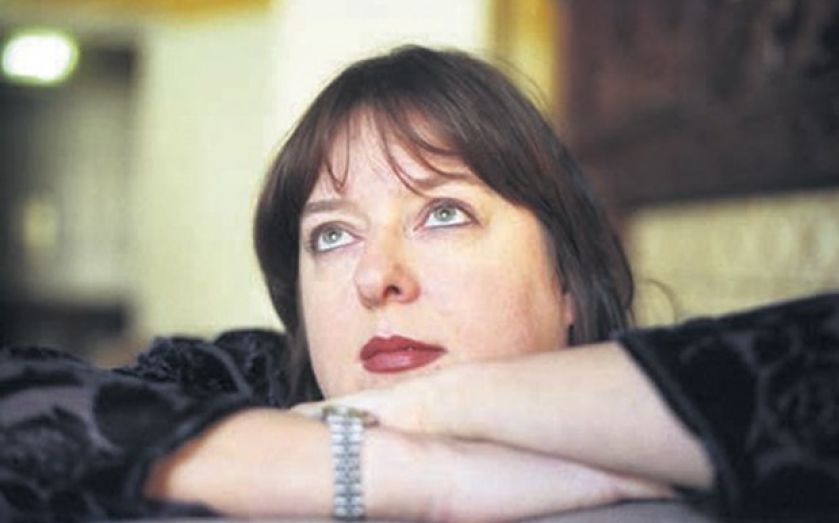
Yet while Unbound acts as an enabler, it has not abandoned control over what is produced. Kieran explains that “it’s a curated model,” with people submitting projects for the team to consider. The acclaimed journalist Julie Burchill has funded Unchosen – a book about why she loves the Jewish people – through Unbound, yet she submitted the pitch via the usual channels. This careful quality control extends to the books themselves. Kieran says every book he’s “ever written has benefitted from professional people editing and critiquing it.” This is not for happy amateurs. Despite the open crowdforming format, professionalism is key, and makes the model distinct from self-publishing.
Ultimately, however, what makes Unbound interesting is how it creates value within an industry that Kieran politely acknowledges has its “upturns and downturns”. Demand for the larger pledges can be surprisingly high. At launch, they were £32 on average, and have risen to about £35. “We’re treating the reader in a different way.”
Unbound has sought investment to develop new platforms for publishers and literary agents. “It’s about building a market”, says Kieran. “We’ll be able to help a lot of independent publishers.” As crowfunding principles seep into other areas of business, it could well work.
Tom Welsh is business features editor at Morning Wire